


 English
 Français
News
Home / News / Industry News / Work Gloves for Every Job: Leather Safety Gloves Manufacturer & Supplier

Content
A worker in a metal fabrication shop handles sharp steel edges for eight hours a day. A welder guides hot filler metal in one hand while sparks and spatter fall toward the other. A gardener grips pruners, thorns, and damp soil through every season. In all of these situations, the work gloves on their hands are the difference between a safe, productive shift and a preventable injury. Hand and finger injuries consistently rank among the most common recordable incidents in industrial workplaces, which is why choosing the right gloves deserves the same attention as choosing the right machine or tool.
The practical conclusion is straightforward: work gloves should be selected according to the specific hazards of the task, the performance of the material, and the realities of the working environment, not simply by brand or price. A glove that performs well in light assembly may fail quickly in welding, while a heavy leather welding glove can feel clumsy and dangerous for precision work. Buyers who understand these trade-offs get more protection, longer service life, better worker acceptance, and stronger value from every order.
Nantong Qiji Glove Co., Ltd. is a work gloves manufacturer based in Rugao, Jiangsu Province, close to Shanghai. The company was founded in 1988 and has accumulated more than three decades of experience in leather glove production. The factory grew through OEM orders and gradually built its own research, development, and production lines. Today the company manufactures leather work gloves with cut resistance, impact protection, heat resistance, waterproofing, oil resistance, flame retardance, cold resistance, and arc protection, and exports them to buyers around the world.
The product range is organized into six series: functional gloves, welding gloves, garden gloves, driver gloves, safety gloves, and PU microfiber synthetic gloves. Within these series, buyers will find options made from cowhide, goatskin, sheepskin, pigskin, and synthetic microfiber materials, which means the selection can be matched to almost any job. For wholesalers, distributors, and safety procurement teams, this combination of material variety and functional coverage is exactly what a reliable work gloves supplier and manufacturer should offer in one place.
Before choosing work gloves, evaluate the hazards present in the workplace. Cuts, impacts, heat, water, oil, cold, and vibration each require different protective features. The table below summarizes the main hazard categories and the protective features that address them. The sections that follow explain the details that matter most during procurement, from seam construction to cuff length.
| Hazard | Typical task | Protective feature to check | Common material choice |
|---|---|---|---|
| Cuts and abrasion | Metal handling, glass, construction debris | Cut-resistant lining or dense leather palm | Cowhide, goatskin, reinforced liner |
| Impacts and crushing | Heavy parts, machinery, rigging | Impact padding over knuckles and back of hand | Leather with TPR or foam backing |
| Heat and flames | Welding, foundry, hot material handling | Heat-resistant leather, flame-retardant treatment, long cuff | Full-grain cowhide |
| Water, oil, and cold | Outdoor work, maintenance, fishing | Waterproof membrane, oil-resistant surface, insulation | Waterproof-treated leather, insulated lining |
| Abrasion and puncture | Gardening, rough material handling | Thick palm leather, reinforced seams | Pigskin, cowhide, goatskin |
The table is a starting point, not a substitute for job-specific testing. A glove that passes one hazard check can still fail on another, so prioritize the primary hazard first and then confirm that comfort, grip, and fit do not compromise the protection you selected.
Cut injuries are the most common reason workers lose time in metal handling, glass processing, and construction. When evaluating cut-resistant work gloves, look beyond the palm material and check seam construction, lining density, and cuff design. A glove with a strong palm but weak seams will fail exactly where it is needed most. The interaction between cut-resistant materials and dexterity is a real engineering trade-off, and understanding how the layers work together helps buyers avoid gloves that are either too weak or too stiff.
Our cut-resistant cowhide leather work gloves are built for this exact risk profile: a dense cowhide palm resists abrasion and sharp edges, while reinforced stitching keeps the glove intact under repeated stress. Workers who need both cut resistance and flexibility will find that a well-configured cowhide glove performs more reliably than a loose-fitting synthetic alternative. In our experience, the best results come from pairing the right leather thickness with the appropriate lining for the specific cutting hazard involved.
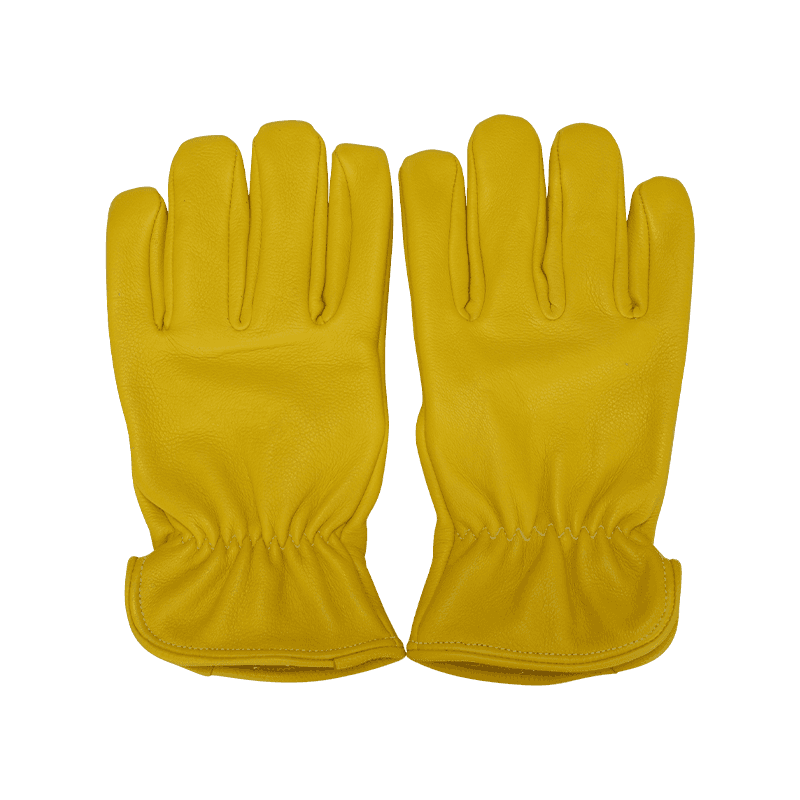 China Cut-resistant Cowhide Leather Gloves Suppliers, Company - Nantong Qiji GloNantong Qiji Glove Co., LTD. is a China OEM/ODM Cut-resistant Cowhide Leather Gloves suppliers and Cut-resistant Cowhide Leather Gloves c...View Product →
Impact injuries often happen when a heavy object falls onto the back of the hand or when the hand strikes a fixed object during hammering, pushing, or lifting. Standard leather work gloves offer little protection in these situations. Impact-resistant models add padded layers over the knuckles and the back of the hand, usually in thermoplastic rubber or molded foam, while keeping the palm flexible for gripping.
For buyers, the question is not whether impact padding adds cost, but whether the risk justifies it. In demolition, rigging, and heavy engineering, impact-rated leather gloves quickly pay for themselves by reducing hand injuries. If the job involves repetitive impacts, choose gloves with padding that covers the full knuckle area and extends slightly onto the fingers, because partial coverage leaves the most exposed zones unprotected.
Heat protection is a different game from cut or impact protection. Work gloves for welding and foundry work must resist direct contact with hot surfaces, sparks, spatter, and radiant heat without shrinking, hardening, or burning through. Full-grain cowhide is the traditional and still the most reliable material for this role, because it is dense, naturally resistant to moderate heat, and durable under repeated exposure.
Heat-resistant work gloves are often specified with longer cuffs, sometimes called gauntlets, to protect the wrist and lower forearm. Seams also matter: if the thread melts before the leather fails, the whole glove fails. Buyers should ask about thread type and stitching pattern before ordering welding gloves for production use.
For outdoor work, marine environments, maintenance, and cold storage operations, work gloves need to keep hands dry and warm without sacrificing grip. Waterproofing can be achieved through specially treated leather, internal membranes, or both. Oil resistance is different again: it affects the glove surface, preventing oil from soaking in and making the hand slide inside the glove.
A common procurement mistake is assuming that a waterproof glove is automatically oil-resistant or vice versa. We manufacture functional gloves such as waterproof, oil-resistant, cold-resistant cowhide models that combine several surface treatments and insulation layers, so buyers can request a configuration that matches the actual combination of moisture, oil, and temperature on site.
Protection means nothing if the worker removes the gloves because they are uncomfortable. Grip, dexterity, and fit directly influence productivity and safety. A glove that is too large reduces grip strength; a glove that is too small causes fatigue and restricts blood flow. Shaping, pre-curved fingers, and flexible leathers such as goatskin improve dexterity without adding bulk.
For assembly and inspection tasks, a snug fit and thin premium leather are more valuable than heavy padding. For handling operations, a slightly looser fit with a reinforced palm provides better abrasion resistance. Wholesale buyers should order a fit test set across their workforce before committing to a full purchase, because sizes vary noticeably between manufacturers.
Material selection is the most important decision in work glove procurement. The leather grain, thickness, tanning process, and lining each change how the glove behaves under real working conditions. The table below compares the five material families most commonly used in industrial and professional work gloves, based on practical experience in our production facility.
| Material | Durability | Dexterity | Comfort | Typical cost level | Best suited for |
|---|---|---|---|---|---|
| Cowhide grain | Very high | Moderate | Good after break-in | Mid to high | Heavy handling, welding, construction |
| Cowhide split | High | Moderate | Good | Low to mid | General labor, budget bulk orders |
| Goatskin | High | High | High | Mid to high | Precision work, driving, handling |
| Sheepskin | Moderate | High | Very high | Mid | Light work, cold conditions |
| Pigskin | Moderate to high | Moderate | Moderate | Low | Abrasive handling, garden work |
| PU microfiber | Moderate | Very high | High | Low to mid | Assembly, inspection, touchscreen use |
These ratings describe typical behavior rather than certified performance levels. The exact result for any glove depends on leather thickness, lining, stitching, and the task it is used for. Still, the comparison gives buyers a reliable mental model for the first round of shortlisting.
Cowhide is the workhorse of the work glove world. It offers the best combination of abrasion resistance, heat resistance, and long service life for the price. Grain cowhide, which uses the outer layer of the hide, is denser and stronger, making it the standard for heavy-duty work gloves and welding gloves. Split cowhide, taken from the inner layer, is softer and more affordable, which makes it popular for general labor gloves sold in high volume.
For buyers, the difference between grain and split leather changes the entire cost and performance equation. If the task involves sharp edges, rough surfaces, or heat, grain cowhide is the safer choice. If the task is light handling and the priority is keeping the unit cost low, split cowhide work gloves can be an excellent value. In both cases, look for consistent leather thickness across the palm and finger areas, because thin spots fail first.
Goatskin is often described as the premium choice among natural leathers for work gloves. It is thinner than cowhide, but its dense fiber structure gives it surprisingly high durability and excellent abrasion resistance. More importantly, goatskin stays soft and flexible, which means workers do not need a long break-in period, and dexterity stays high even in a full leather glove.
For jobs that require both protection and precision, such as driving, handling tools, or operating machinery, goatskin work gloves are a strong recommendation. They also perform well in cool conditions because the supple leather does not stiffen as quickly as cowhide. The trade-off is price: goatskin tends to cost more per pair than cowhide, so many buyers reserve it for skilled workers who need maximum control rather than for general labor gangs.
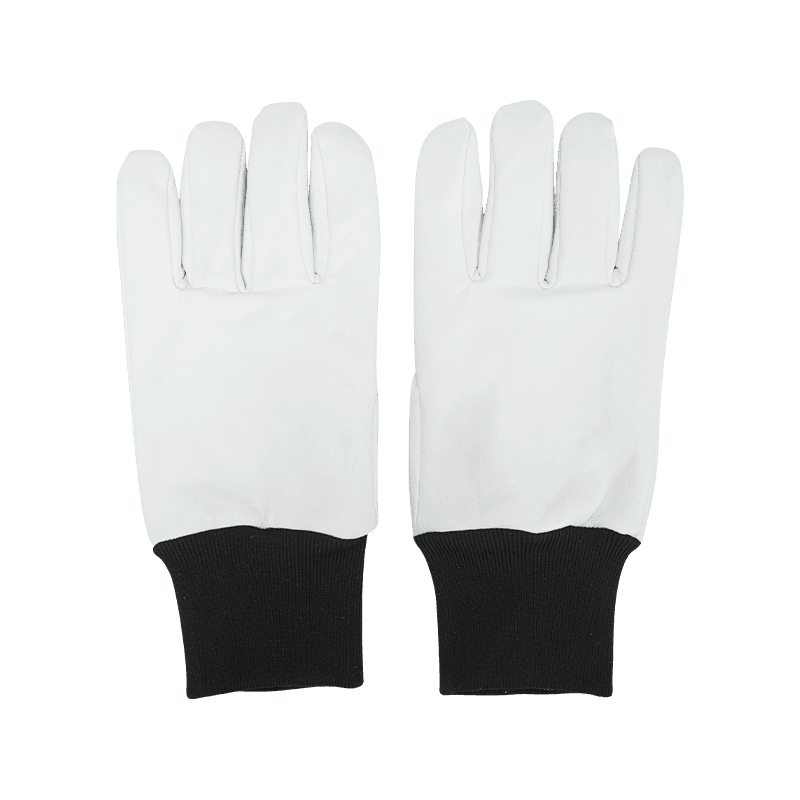 China Goatskin Work Gloves Suppliers, Company - Nantong Qiji Glove Co., LTDNantong Qiji Glove Co., LTD. is a China OEM/ODM Goatskin Work Gloves suppliers and Goatskin Work Gloves company, professional wholesale G...View Product →
Sheepskin is the softest of the natural leathers, which makes it extremely comfortable but less durable under abrasive conditions. Work gloves made from sheepskin are best suited to lighter tasks, cold-weather uses where insulation is added, and applications where worker comfort directly affects output. Pigskin, in contrast, has a coarser texture and good moisture behavior: it stays flexible after getting wet and dries without stiffening. Pigskin work gloves are a cost-effective option for gardening, farming, and rough material handling.
Synthetic options such as PU microfiber gloves have become popular for light industrial work because they offer excellent dexterity, a snug fit, and compatibility with touchscreens at a low unit price. They are not a direct replacement for leather in heavy roles, but for assembly lines, inspection tasks, and logistics picking, they are often the most economical choice. Many safety programs in fact run a mixed inventory: leather work gloves for heavy trades and synthetic gloves for precision roles.
Material choice is the single largest factor that determines how long a pair of work gloves will last on the job. Buyers regularly ask us to compare cowhide, goatskin, sheepskin, pigskin, and synthetic options before placing an order. Each material carries its own balance of durability, comfort, grip, and cost, and there is no universal winner. The chart below summarizes the typical service life we observe in moderate handling, packaging, and general assembly tasks across equivalent glove constructions. Treat these figures as planning references for purchasing decisions rather than laboratory test results.
Two clear conclusions emerge from these figures. Cowhide leather leads the group with roughly 120 working days of typical service life under moderate handling conditions. That is why cowhide remains the default material for heavy-duty work gloves in construction, fabrication, and logistics. Goatskin trails only slightly at around 100 days, yet it offers noticeably better dexterity and a more supple feel. For buyers who need protection and comfort in a single glove, goatskin often delivers the best overall balance. Pigskin sits in the middle, with a coarser texture, decent durability, and usually the lowest price among natural leathers. Sheepskin is softer and more comfortable but wears faster, so it suits light work rather than abrasive environments. PU microfiber synthetic gloves score lowest in service life here, but they excel in precision tasks and are the most economical for disposable or semi-disposable use. The financial logic is also important: a cowhide glove may cost roughly twice as much as a basic synthetic pair, but it can replace several synthetic pairs over the same period. That calculation changes when tasks are so light that gloves are changed for hygiene reasons before they wear out. The final choice should therefore be driven by the actual wear pattern on your site, not by the initial price per pair.
After defining the hazard and choosing a material, the next step is to match the glove to the application. Each task family has a natural glove profile, and the profiles below reflect both user preference and practical field experience. The quick overview cards show the typical configuration for common job families; the detailed sections then explain the reasoning.
Welding work gloves face a unique combination of heat, sparks, spatter, sharp metal edges, and rough handling. The most trusted construction is full-grain cowhide leather with a thick palm, reinforced seams, and a cuff long enough to protect the wrist and lower forearm. The cuff length matters because vertical welding positions and overhead work expose the forearm to falling sparks. For TIG welding, where precision is critical, a slightly thinner, more flexible glove is preferred, while stick welding and heavy fabrication call for maximum thickness and insulation.
We manufacture dedicated cowhide leather welding work gloves in standard, lengthened, and TIG-specific versions, so buyers can select the coverage profile that matches their welding process. A lengthened cuff is recommended for heavy fabrication, while the TIG version prioritizes finger sensitivity. For buyers who are evaluating heat ratings, the practical rule is to test the glove against the actual spark exposure on site rather than relying on a single temperature figure, because radiant heat and direct contact behave very differently.
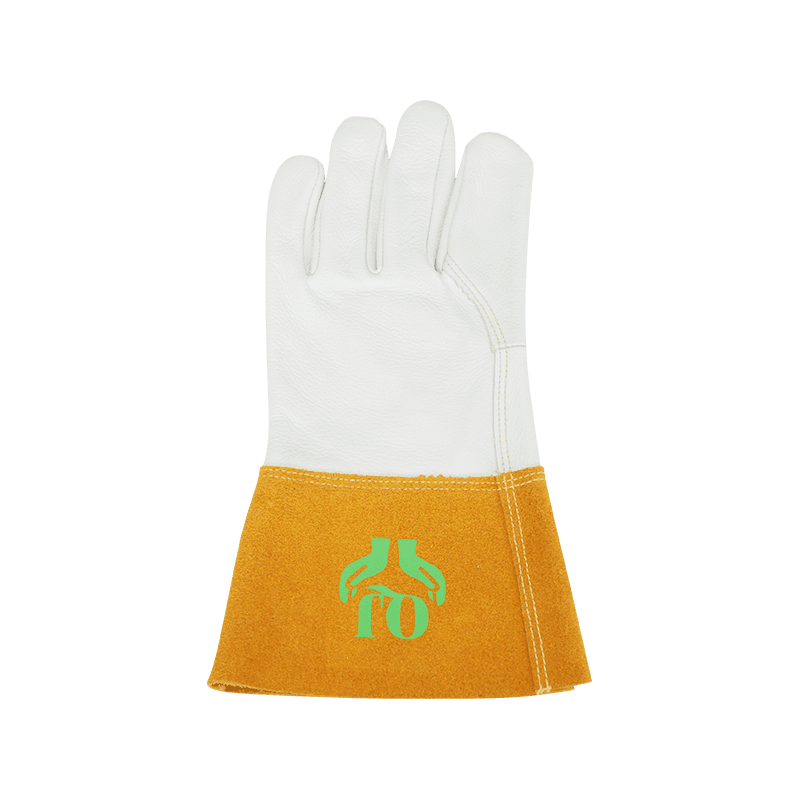 China Cowhide Leather Welding Gloves Suppliers, Company - Nantong Qiji Glove Co.Nantong Qiji Glove Co., LTD. is a China OEM/ODM Cowhide Leather Welding Gloves suppliers and Cowhide Leather Welding Gloves company, prof...View Product →
For workers who handle metal sheets, glass, rebar, stone, and construction waste, the priority is cut and abrasion resistance with a secure grip. Dense cowhide leather with reinforced finger seams handles most of these tasks well. When the cut risk is extreme, a cut-resistant lining is added beneath the leather palm.
Construction buyers should also consider the glove's cuff design: knit wrist cuffs keep debris out while safety cuffs make the glove easier to pull off quickly. In warm climates, ventilation and lighter leather reduce sweat-related grip loss. In cold climates, the same work glove body can be combined with an insulating liner to keep hands functional through the season.
Gardening gloves need to be tough enough to resist thorns, bark, and stone, yet flexible enough for planting, pruning, and tool handling. Goatskin and pigskin are both popular choices because they remain supple and dry reasonably fast. Pigskin is especially practical for wet soil work because it does not stiffen after drying. Goatskin offers a closer fit and better touch sensitivity, which gardeners appreciate when working with small seedlings and delicate plants.
For gardeners who use smartphones or tablets between tasks, a touchscreen goatskin glove removes the frustration of removing gloves repeatedly. The same model works well for light landscaping and nursery work, where water exposure is limited and comfort matters as much as protection.
Driving gloves are designed for a different set of demands: durable grip on the wheel, comfort over long hours, and protection from vibration and cold. Goatskin is the classic material because it combines durability with a thin, flexible profile that allows the driver to feel the controls. Cowhide is the more economical option and is widely used in fleet and logistics applications.
For general plant operations, inspection, and assembly work, the glove should provide basic abrasion protection without slowing the worker down. Lightweight cowhide, goatskin, and PU microfiber gloves all work well here. Many buyers standardize on a single unlined cowhide glove across their facility to simplify inventory, then add specialist gloves only for welding, cutting, and heavy handling stations.
Buying work gloves directly from a manufacturer is different from buying from a distributor. The manufacturer can offer better pricing, deeper customization, and direct quality control, but the buyer must also take responsibility for clear specifications and realistic testing. Understanding the factory process is the best way to avoid the classic sourcing failures: mismatched materials, inconsistent sizing, and weak seams that only appear after bulk delivery.
Ask the supplier which standards the work gloves are designed to meet, such as EN 388 for mechanical risks, EN 407 for thermal risks, or ANSI/ISEA 105 for cut and puncture resistance. A serious manufacturer will tell you exactly which tests apply, which levels the product targets, and which documents can be provided with the shipment. Avoid suppliers who mention standards only vaguely or claim that a single glove passes every possible test.
Manufacturers with in-house development teams can adjust leather thickness, lining materials, cuff length, color, logo, and packaging based on customer requirements. OEM means the customer's brand is applied to an existing glove design; ODM means the manufacturer develops a new design around the customer's specification. Both are common in the work glove trade, but ODM requires a longer lead time and usually a sampling round before mass production.
No matter how good the specification looks on paper, the only reliable check is a physical sample. Order samples in every size you plan to buy, test them with the workers who will wear them, and measure the leather thickness at the palm and fingertips. A trustworthy work gloves supplier will welcome this process and will provide samples before production.
Minimum order quantities vary by product complexity. Simple unlined cowhide gloves typically have a lower MOQ, while complex multi-layer functional gloves require higher quantities to make production economical. Lead times also depend on material availability and whether components such as TPR impact pads or waterproof membranes are in stock. Ask for a written lead time and a clear shipping term, and confirm whether the price includes testing documentation and branding.
Questions to ask a work glove supplier
|
Red flags in work glove sourcing
|
The checklist above is the same framework we use internally when we prepare quotes for international buyers. A professional work gloves wholesaler or procurement team will usually go through it in a single conversation, which saves time for both sides. When specifications are clear, the manufacturer can price accurately, schedule production correctly, and deliver gloves that match the approved sample.
Even the best work gloves will not last if they are cleaned incorrectly or left without inspection. Maintenance affects not only cost per use, but also worker safety, because a degraded glove can fail at the exact moment it is needed. A simple maintenance routine, applied consistently, can extend the service life of leather work gloves by thirty percent or more.
Leather work gloves should be cleaned gently. Remove loose dirt with a dry brush after each shift, and wipe heavily soiled surfaces with a damp cloth. Avoid soaking leather gloves in water, which washes out natural oils and makes the leather stiff. Dry them slowly at room temperature away from direct heat; rapid drying on radiators or in dryers causes cracking and shrinkage. Conditioning products designed for leather can restore suppleness on gloves used in dry or dusty environments.
Store work gloves in a dry, ventilated area out of direct sunlight. Stacking heavy equipment on top of gloves deforms the shape and can crush protective padding. At the start of each shift, workers should check for peeling leather, broken seams, torn palms, and hardening from heat exposure. Any glove with these defects should be removed from service immediately.
The list below covers the most common reasons to retire a pair of work gloves. Posting this checklist near tool storage areas helps workers make consistent decisions instead of keeping worn gloves simply because they are still on site.
These are the questions we answer most often in conversations with distributors, wholesalers, and safety buyers. They cover the decisions that come up again and again during work gloves sourcing.
What is the difference between grain leather and split leather work gloves?Grain leather comes from the outer layer of the hide and is denser, stronger, and more resistant to abrasion and heat. Split leather comes from the inner layer, is softer and more flexible, and costs less. Work gloves made from grain cowhide are preferred for welding, cutting, and heavy handling; split cowhide is common in general labor gloves where budget matters more than maximum durability. |
Which work gloves are best for welding?Full-grain cowhide welding gloves with reinforced seams and a protective cuff are the standard for most welding processes. Choose a lengthened cuff for heavy fabrication and overhead work, and a flexible TIG-specific glove when precision is more important than maximum thickness. The glove should resist sparks and spatter without becoming stiff or melting at the seams. |
Do leather work gloves protect against cuts?Leather work gloves provide good protection against abrasion, sharp edges, and moderate contact cuts, but they are not a substitute for cut-resistant liners in high-risk operations. For tasks such as handling scrap metal or glass, leather gloves with a cut-resistant lining offer a practical combination of grip, comfort, and protection. Always match the cut-resistance level to the actual hazard, and inspect gloves regularly because worn leather loses its protective ability. |
Can leather work gloves be washed?Yes, but with care. Brush off dry dirt, wipe the surface with a damp cloth, and allow the gloves to dry slowly at room temperature. Do not soak them, do not use harsh detergents, and do not place them on radiators or in tumble dryers. Treating clean leather with a conditioning product helps maintain flexibility and extends service life. |
What is the MOQ for wholesale work gloves from a manufacturer?Minimum order quantities depend on the model. Simple unlined cowhide work gloves can be produced in relatively low quantities, while functional gloves with impact padding, waterproof membranes, or insulation require larger runs to be economical. Contact the manufacturer directly with your target models and annual forecast, and you will receive a realistic MOQ and lead time. |
For buyers who want to go deeper into the technical side of work glove selection, the following resources from our knowledge base cover the details behind several topics discussed in this guide.
The physical behavior of heat, sparks, and spatter, and how leather construction responds to each.
A closer look at multi-layer glove construction and the engineering trade-offs that affect worker performance.
The full product map of our six glove series, organized by function, material, and application.
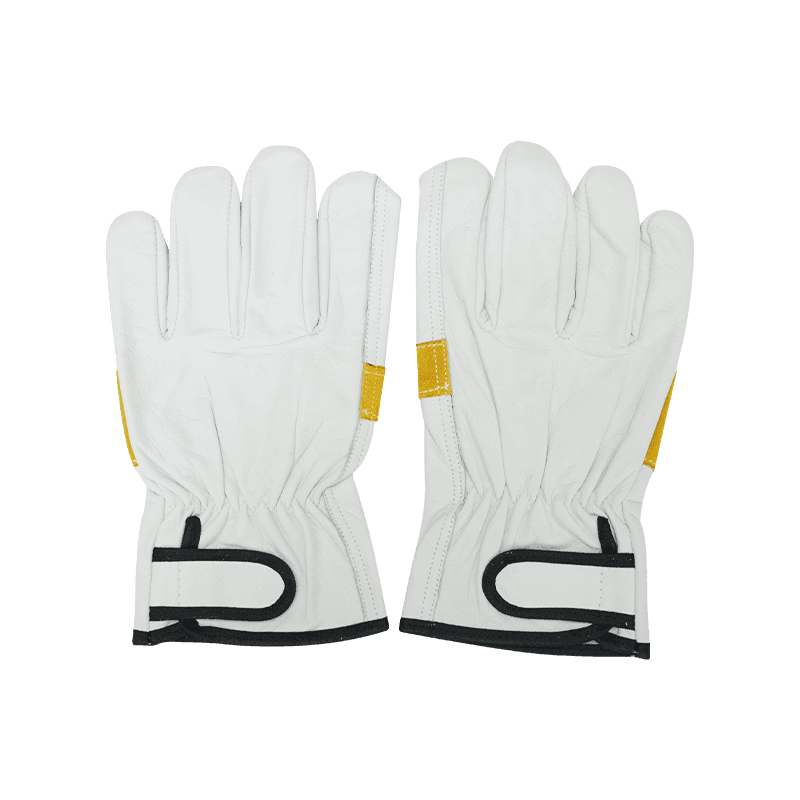
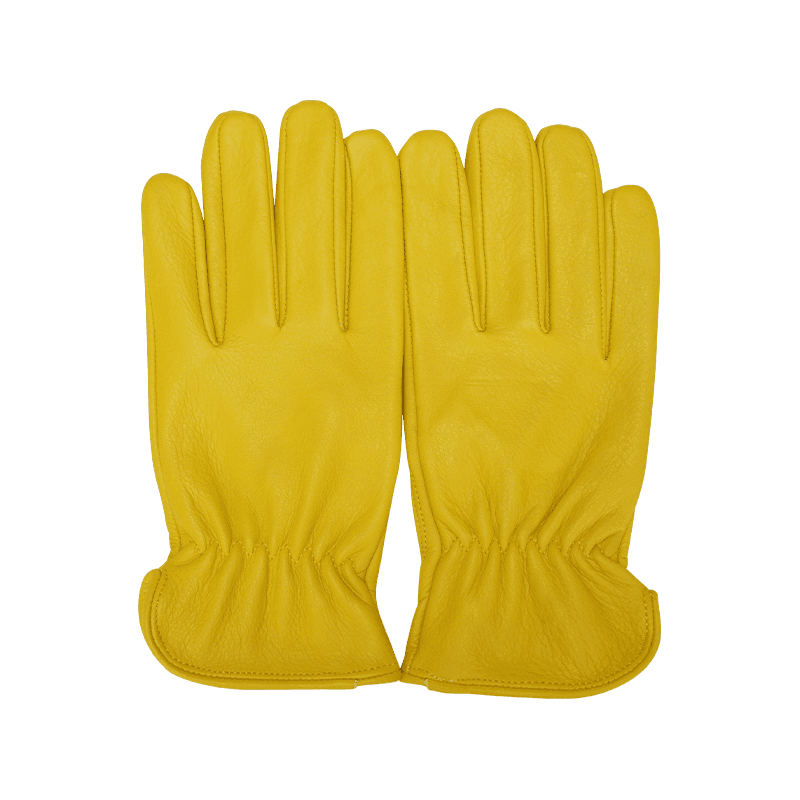
If you are interested in our products, please consult us
 +86-0513-68163373