


 English
 Français
News
Home / News / Industry News / Winter Gloves Buying Guide: Materials, Insulation, Fit, and Cold-Weather Work Protection

Content
A loading dock in January is a harsh test for any pair of gloves. The thermometer sits at -12°C, the wind moves steadily across the yard, and the steel crates being loaded feel colder than the air itself. After twenty minutes, an unprotected hand loses its fine motor control, the grip on a crate weakens, and the chance of a bruise, a cut, or a dropped load rises with every minute. This is exactly the situation that turns winter gloves from a comfort item into a safety-critical piece of equipment. Anyone who has stood outside in deep cold knows that a glove which looks warm on a retail shelf can fail completely in real working conditions.
The conclusion deserves to come first. A good pair of winter gloves is not defined by thickness or price; it is defined by how well it balances three functions. It must block wind and moisture with a durable outer shell, trap body heat with an effective insulation layer, and preserve enough finger agility for the user to complete the task safely. When any one of those functions fails, the glove underperforms no matter how comfortable it feels during the first ten minutes.
Behind every failed pair of gloves is a measurable cost. Cold-stressed hands lose strength and sensitivity, and a worker who cannot feel the material he is handling makes more mistakes. Re-gripping dropped objects, pausing to warm hands, and switching gloves through the day all cut into productivity. In safety-critical industries, numb fingers are not merely uncomfortable; they are a direct cause of pinch injuries, cuts, and slips. When you calculate the total cost of a winter glove program, include those hidden expenses, not just the invoice price.
This article is written for purchasing managers, importers, wholesalers, and safety officers who buy cold-weather hand protection for teams or for resale. It is also a practical reference for individuals who want to choose the right pair of winter gloves for outdoor work, daily commuting, or winter sports without relying on marketing slogans. The same evaluation logic applies whether you buy from a retailer or negotiate a bulk order directly with a glove manufacturer: define the working temperature, the required dexterity, the moisture level, and the abrasion risk before you look at any product.
As a leather glove manufacturer with more than three decades of production experience, we see the same sourcing mistakes every winter. Buyers over-prioritize insulation, ignore the shell material, and then wonder why their workers still complain about cold, wet, or stiff hands. The pages that follow summarize what we have learned from supplying protective leather gloves to temperature-sensitive markets around the world.
Key takeaway: Warmth in winter gloves comes from the combination of shell, insulation, and lining, not from thickness alone. Compare those three elements before you compare brands or prices.
The human hand is designed to operate in a narrow temperature range. When skin temperature drops, blood vessels narrow to protect the core, and the result is a rapid loss of fine motor control, grip strength, and tactile sensitivity. Hand dexterity declines measurably as skin temperature falls, which is why a winter glove is not only a comfort product but a performance tool. The best winter gloves are designed to keep the skin warm enough to preserve circulation while still allowing the muscles and tendons of the hand to move freely. This explains why the same worker can be highly productive in July and noticeably slower in January: the difference is often the gloves, not the person.
Every effective winter glove works on the same principle: it slows the escape of heat from the hand while keeping cold air and moisture away from the skin. Cold air removes heat from exposed skin quickly, and direct contact with frozen metal or cold objects drains heat even faster. A winter glove manages both types of heat loss with three distinct layers. The outer shell, usually natural or synthetic leather, breaks the wind and protects the glove from abrasion, rough surfaces, and light sparks. The middle insulation layer traps still air, and still air is a poor conductor of heat, which is exactly why trapped air is the most reliable insulator a glove can use. The inner lining protects the insulation from wear and moves sweat away from the skin so that moisture does not cool the hand from the inside.
Understanding these layers changes the way you compare products. Two gloves with identical insulation thickness can perform very differently if one has a dense, windproof leather shell and the other has a loosely woven fabric shell. Similarly, a waterproof glove that traps sweat can make the hand colder after an hour of work than a non-waterproof glove that allows moisture to escape. The best glove for a specific job is the one whose layers match the actual conditions of that job.
Insulation is rated less by its physical thickness and more by how much air it can hold. Fleece is lightweight, dries quickly, and works well for mild cold around 0°C. Wool retains heat even when slightly damp, which makes it useful for sweaty work, though some wearers find pure wool itchy against the skin. Synthetic thermal linings made from polyester or similar fibers offer consistent performance across different batches, dry fast, and are easy to clean. The universal trade-off is that the warmer the insulation, the thicker the glove, and the thicker the glove, the harder it is to grip small objects or operate compact controls. Experienced glove designers place more insulation on the back of the hand, where the knuckles sit closest to the cold, and less on the palm, where grip precision matters most. When you read a product description that promises both high warmth and high dexterity, check whether the palm and the back of the hand use the same amount of padding.
For extreme conditions, a two-layer system outperforms a single very thick glove. A thin liner glove worn underneath an insulated leather glove creates an extra pocket of trapped air without requiring a heavy, rigid shell. It also gives the worker the option to remove the outer glove for fine tasks while keeping the liner on, which is far better than exposing bare skin to freezing air. Many workers in cold storage facilities use this method, and it is a standard practice for winter construction in northern regions. Buyers who plan for a liner-and-shell system should order lined gloves one size larger than the normal hand measurement to make room for the liner.
Moisture is the silent enemy of warmth. Wet insulation loses most of its heat-trapping ability, and a damp hand cools many times faster than a dry hand. This is why buyers must understand the difference between water-repellent and waterproof construction. A water-repellent finish causes light snow and rain to bead on the surface and roll off, which is sufficient for dry, windy cold. A waterproof membrane physically blocks water from reaching the lining, which is necessary for slushy, wet, or oil-contaminated environments. The cost of a membrane is reduced breathability: hands sweat more, and the interior can feel clammy during active work. For cold outdoor work where rain, oil, and freezing temperatures overlap, our waterproof, oil-resistant, cold-resistant cowhide leather winter gloves are designed for exactly that combination of risks.
 China Waterproof Oil Resistant Cold Resistnt Cowhide Leather Gloves Suppliers, CNantong Qiji Glove Co., LTD. is a China OEM/ODM Waterproof Oil Resistant Cold Resistnt Cowhide Leather Gloves suppliers and Waterproof Oi...View Product →
Key takeaway: Wind and moisture remove heat faster than cold air alone. A wind-resistant leather shell and a dry, breathable lining are often more important than the thickness of the insulation.
Leather remains the preferred shell material for winter work gloves because it is naturally wind-resistant, durable, and protective against abrasion, sparks, and rough surfaces. Different hides behave differently in cold weather, and the choice of hide often matters more than the brand printed on the cuff. Cowhide is dense and abrasion-resistant, which makes it the standard for heavy work, but it is also the stiffest of the common leathers and needs a short break-in period. Goatskin is thinner, softer, and highly flexible, preserving fingertip dexterity while still offering strong durability. Pigskin is porous and breathable, and it remains soft after wetting, but its prominent grain texture is not to every worker's liking. Sheepskin is the softest and warmest in feel, yet it scuffs and wears faster, so it suits lighter tasks and extreme cold rather than rough abrasive work.
The materials used in our glove production are selected with these differences in mind, because the same hide cannot serve every application equally well. A buyer who chooses cowhide for a delicate assembly task may find the glove too stiff, while a buyer who chooses sheepskin for construction work may find it wears through too quickly. Matching the hide to the task is the first step in any serious winter glove purchase.
| Material | Warmth | Durability | Dexterity | Typical Best Use |
|---|---|---|---|---|
| Cowhide | Good | Excellent | Fair | Heavy construction, rough material handling |
| Goatskin | Good | Very good | Very good | Gripping tasks, assembly, logistics |
| Pigskin | Fair to good | Good | Good | General work at a favorable cost |
| Sheepskin | Excellent | Fair | Excellent | Extreme cold, lighter duties |
| PU synthetic | Fair | Good | Very good | Price-sensitive orders, vegan options |
Not every cold-weather application requires natural leather. Synthetic leather made from microfiber and polyurethane offers a consistent appearance, easy cleaning, and a lower unit price, which makes it attractive for large wholesale orders where budget control matters. PU microfiber gloves hold their shape well and can be printed or embossed with branding in a dependable way. The trade-off is that synthetic materials generally breathe less than natural leather and can feel colder at the same thickness, because they lack the natural fiber structure that helps retain heat. For mild cold and indoor-to-outdoor transitions, synthetic options perform perfectly well; for sustained exposure below freezing, natural leather remains the stronger choice.
Material choice directly affects how warm, durable, and agile a winter glove feels during real work. Leather remains the dominant shell material for cold-weather gloves because wind protection matters at least as much as insulation. Synthetic leather offers an affordable alternative, but its thermal behavior is different from natural hides. The lining is the part that actually determines how much heat a glove can retain. The chart below compares the warmth and durability of five commonly used winter glove materials on a scale from zero to ten.
The chart shows that sheepskin leather provides the highest warmth rating among the five materials, reaching nine out of ten. Cowhide leather follows closely with a warmth score of eight while leading all materials in durability at nine. Goatskin leather balances warmth and durability with scores of seven and seven-and-a-half. Pigskin leather scores six-and-a-half for warmth and seven for durability, which makes it a solid mid-range option. PU synthetic leather trails in warmth at five-and-a-half but offers a practical durability score of six. The most important observation is that no single material wins in every category. Buyers who need maximum warmth for extreme cold may prefer sheepskin-based designs, but sheepskin wears faster under heavy abrasion. Buyers who need long service life in rough conditions will more likely choose cowhide, despite its slightly higher stiffness. Goatskin offers the best balance for jobs that require frequent gripping and flexible hand movements. Pigskin remains a value choice for less demanding winter tasks where cost is the decisive factor. PU synthetic leather suits buyers who need a vegan alternative or consistent color across large orders. For most work environments, cowhide or goatskin with a warm lining delivers the most practical combination of warmth, durability, and dexterity. The conclusion is clear: match the shell material to the abrasion risk, then match the lining to the expected temperature.
The lining sits against the skin, so its feel and moisture behavior are as important as its warmth. Fleece lining is soft, fast-drying, and popular for mild temperatures. Brushed tricot lining is smooth, warm, and comfortable for prolonged wear. Wool-blend linings add warmth that holds up even when the hand is slightly damp. Thermal knit linings provide a breathable option for workers who alternate between cold outdoor and heated indoor environments. In every case, the lining should fit snugly against the hand without bunching, because loose lining fabric creates wrinkles that reduce grip precision and accelerate wear. If your workers wear gloves for entire shifts, test the lining comfort before you commit; a glove that feels fine for five minutes can cause chafing by the end of the day.
Key takeaway: Cowhide and goatskin cover most winter work scenarios, with sheepskin reserved for extreme cold and PU synthetic for budget-sensitive or vegan-friendly orders. The lining does the real thermal work, so never judge a winter glove by its outer shell alone.
Winter gloves are not a single product category. They are a family of products built for different temperatures, wetness levels, tasks, and safety requirements, and choosing correctly means matching the construction to the job. The categories below cover the majority of cold-weather work and leisure scenarios, from general outdoor labor to specialized protective tasks.
| Glove Type | Typical Comfort Range | Best For | Watch Out For |
|---|---|---|---|
| Lined leather work glove | about -5°C to 5°C | Construction, logistics, general outdoor work | Limited waterproofing |
| Waterproof insulated glove | about -15°C to 0°C | Wet snow, rain, cold storage handling | Less breathable, inner sweat |
| Impact- and cut-resistant cold glove | about -10°C to 0°C | Sharp materials, chain saw and metal work | Bulky, lower fingertip freedom |
| Touchscreen-compatible glove | about -5°C to 5°C | Device use, barcode scanning, driving | Conductive tips wear with use |
| Gauntlet glove with long cuff | below 0°C, wet conditions | Snow clearing, outdoor storage, utility work | Extra material around the wrist |
The temperature ranges in the table are starting points, not guarantees. Wind, humidity, contact with cold metal, and the worker's activity level can shift the effective comfort range of a glove by several degrees. A worker loading frozen goods in a refrigerated warehouse faces contact cold from every surface he touches, so his glove needs effective contact-cold resistance even if the air temperature is only -2°C. An outdoor worker doing heavy shoveling generates so much body heat that he may be comfortable in a lighter glove at -10°C. Review the actual contact surfaces, wind exposure, and activity level on your site before you translate air temperature into a glove specification.
Standard work gloves with a leather palm and a fleece or synthetic lining are the default choice for construction, logistics, and maintenance work in conditions from about -5°C to 5°C. They provide a solid balance of warmth, grip, and durability, and they are available in large quantities at a predictable wholesale price. Look for reinforced stitching at the thumb crotch and fingertips, because these are the first areas to fail under repeated gripping. For most teams, this category is the safety net that performs acceptably across a wide range of tasks.
Jobs that involve melting snow, rain, cold storage, or contact with liquids demand a glove that keeps water out. Water-repellent treatments are enough for light snow, but heavy or continuous wetness requires a waterproof membrane. Because waterproof gloves are less breathable, choose a model with a moisture-wicking lining to keep the hand dry from sweat. This category is essential for outdoor utility crews, snow-clearing teams, and cold-chain logistics workers who cannot simply wait for the weather to improve.
Cold weather does not pause modern work. Workers check tablets, drivers follow navigation, and warehouse teams use mobile terminals that require bare fingertips. Touchscreen-compatible winter gloves solve this with conductive threads woven into the fingertips, allowing the skin's electrical signal to pass through the material. Our touchscreen goatskin winter gloves combine this function with the precise feel of thin goatskin, which suits tasks that demand quick, accurate finger movement. Note that conductive areas usually cover only the thumb and index finger, so test the glove with your actual device before placing a bulk order.
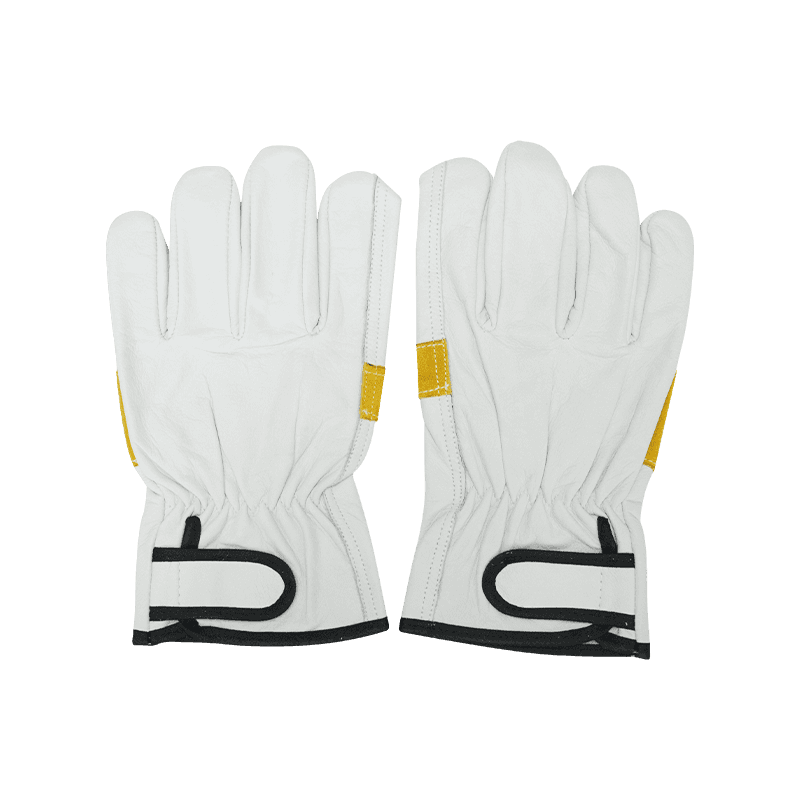 China Touching Screen Goatskin Gloves Suppliers, Company - Nantong Qiji Glove CoNantong Qiji Glove Co., LTD. is a China OEM/ODM Touching Screen Goatskin Gloves suppliers and Touching Screen Goatskin Gloves company, pr...View Product →
Some cold-weather jobs combine low temperatures with mechanical hazards. Workers who handle chain saws, sharp metal edges, or heavy parts need protection against cuts and impacts even when the thermometer drops. Insulated gloves with impact-resistant padding on the back of the hand and cut-resistant material on the palm are increasingly common in construction, forestry, and metal fabrication. The anti-impact, cut-resistant, cold-resistant gloves in our functional line address this combination by adding impact absorption and cut-resistant yarns to a cold-weather design. If both cold and mechanical risks exist in your workplace, never substitute a simple insulated glove for a rated protective glove, because the standards covering cut and impact protection are separate from those covering cold.
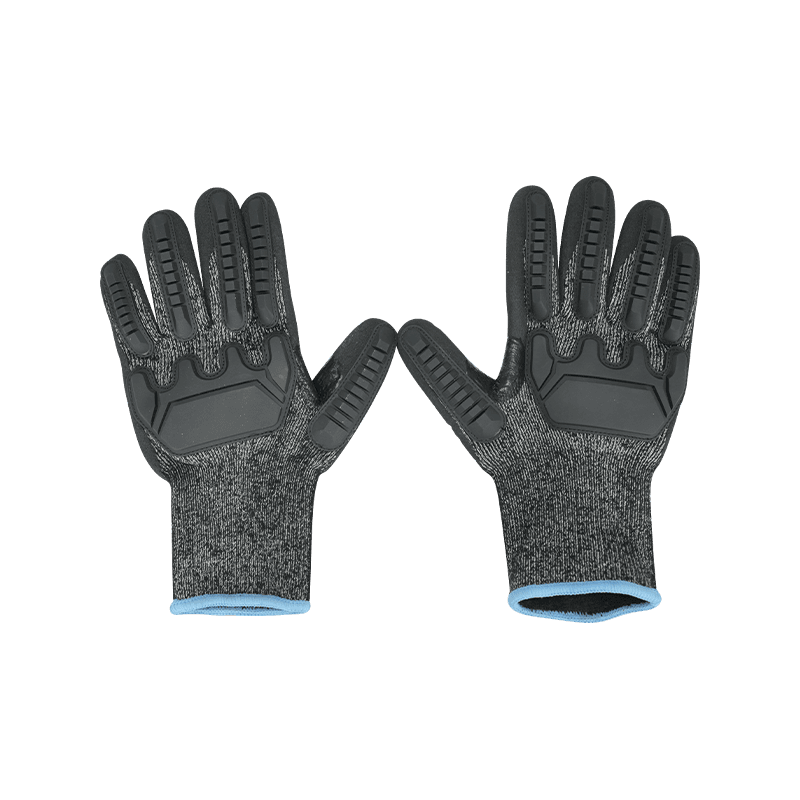 China Anti-impact Cut-resistant Cold Resistnt Gloves Suppliers, Company - NantoNantong Qiji Glove Co., LTD. is a China OEM/ODM Anti-impact Cut-resistant Cold Resistnt Gloves suppliers and Anti-impact Cut-resistant ...View Product →
Driving in winter imposes its own requirements: the glove must keep hands warm enough for full control while remaining thin and flexible enough for precise steering and switch operation. Cowhide and goatskin driving gloves with a light thermal lining are the classic solution. They keep a solid grip on the wheel, block the cold that comes through the side window, and allow the driver to operate seat belts, controls, and mobile devices without removing them. Heavily insulated mittens or bulky work gloves are poor choices behind the wheel, because they reduce tactile feedback and slow fine adjustments.
Thin leather with fleece lining for short exposure, inspection work, and light assembly around 0°C.
Cowhide shell with a thicker thermal lining for construction, logistics, and extended outdoor shifts in the -15°C to -5°C range.
Waterproof membrane with treated leather for snow clearing, cold storage, and contact with oil or slush.
Heavy insulation with a gauntlet cuff, best combined with a liner glove for the coldest sites.
Insulated gloves with impact padding or cut-resistant lining for tasks that pair cold with mechanical risk.
Key takeaway: Match the glove construction to the temperature range, the wetness level, and the safety risks of the specific job. A great general work glove is not the right choice for a chain saw operator, and a touchscreen glove is not the right choice for an eight-hour shift in freezing rain.
Fit is the most overlooked factor in winter glove selection, and it directly affects both warmth and safety. A glove that is too tight compresses the blood vessels in the hand, reduces circulation, and makes the hand feel colder than it would in a slightly larger glove. A glove that is too loose allows material to bunch inside the palm, weakens the grip, and interferes with tool use. The standard measurement method is straightforward: measure the circumference of the palm at the widest point, just below the fingers, and measure the length from the wrist crease to the tip of the middle finger. Winter gloves should fit snugly but not restrictively, with a little extra room to accommodate lining thickness.
| Size | Palm Width | Hand Length | Typical User |
|---|---|---|---|
| S | 7-8 cm | 16-17 cm | Women and smaller hands |
| M | 8-9 cm | 17-18 cm | Average women, small men |
| L | 9-10 cm | 18-19 cm | Average men |
| XL | 10-11 cm | 19-20 cm | Large men |
| XXL | 11-12 cm | 20-21 cm | Extra-large hands |
Every layer added for warmth or protection reduces finger agility. A thick insulated leather glove cannot provide the same fine control as a thin liner glove, and pretending otherwise only leads to frustrated workers who remove their gloves to do precise work. The practical method is to define the minimum dexterity a task requires, then choose the warmest glove that still meets that threshold. Workers who handle small parts, screws, or control panels need a thin flexible shell such as goatskin. Workers who only lift, carry, and grip large objects can accept heavier insulation. Many companies solve this with two winter glove options for the same team: one for precision tasks and one for rough handling, instead of forcing a single model to serve both.
Cold protection can be tested and rated, so buyers do not have to rely on vague marketing terms. The European standard EN 511 is the key reference for cold-protective gloves. It assesses three properties: resistance to convective cold, resistance to contact cold, and water impermeability, each with a performance level. Mechanical hazards are rated separately, most commonly under EN 388, which covers abrasion, cut, tear, and puncture resistance. A responsible supplier should be able to provide test reports and the relevant certificate for any product that carries a protective claim. If a manufacturer cannot produce documentation, that alone is a reason to pause the buying process.
Bulk buyers gain a strong advantage by working directly with a glove manufacturer instead of layering intermediaries between the factory and the end customer. A competent manufacturer offers consistent sizing, traceable raw materials, clear quality control, and the flexibility to adjust liner weight, cuff length, leather thickness, stitching, branding, and packaging. Before committing to a large contract, request samples and test them in the actual working environment. Compare several pairs from the same batch for consistency, and evaluate them against the performance criteria you defined at the start. A supplier with experience in winter hand protection can also give practical guidance on balancing warmth with agility; our guide to balancing safety and flexibility with cut-resistant cowhide leather gloves covers this problem in more detail for winter work sites that also carry cut hazards.
Wholesale buyers should also discuss packaging, labeling, and lead time early. Retail orders may need branded hangers, polybags, size labels in multiple languages, and barcode tags, and these details affect both cost and shelf appeal. Industrial orders may instead require standard export cartons with clear batch numbers for traceability. Confirm the sampling cycle, production lead time, and shipping method before signing, and put quality expectations into writing. A clear specification sheet signed by both parties prevents most disputes later.
Before You Order
|
Before You Accept a Bulk Delivery
|
Key takeaway: Fit, dexterity, and documented standards matter more than brand reputation. Define the working conditions, test real samples, and ask for the test reports before you sign a large winter glove order.
Washing an insulated leather glove with the wrong method can destroy it faster than a full season of work. In general, leather shells should be spot-cleaned with a damp cloth and mild soap, and machine washing should be avoided unless the manufacturer's label explicitly allows it. Synthetic and PU gloves tolerate gentler low-temperature machine washing, but hot water shrinks leather, stiffens the shell, and damages the lining. After any wet exposure, dry the gloves slowly at room temperature and never place them on a radiator or near a heat source, because fast heat removes the natural oils from leather and causes cracking. A pair of gloves dried incorrectly can lose its wind resistance and waterproofing within one season.
Regular inspection is cheaper than replacement. The most common damage patterns are worn fingertips, split thumb crotches, compressed linings, and stiffened shells. Worn fingertips often come from gripping rough materials repeatedly; thumb crotch splits come from constant opening and closing of the hand; compressed linings come from washing the gloves in hot water or drying them too fast; and stiffened shells come from drying near heat sources. When you see any of these signs, schedule the replacement before the glove fails on the job.
Leather conditioner keeps the shell supple and maintains its wind resistance and water repellency. Apply a small amount of conditioning cream, rub it gently over the surface, and let it absorb overnight. Re-treat the gloves periodically through the winter, especially after repeated wetting. Store clean, completely dry gloves in a cool, dry place away from direct sunlight, because ultraviolet light degrades both leather and synthetic fibers. Never seal damp gloves in a closed container, since trapped moisture encourages mildew and breaks down the lining glue.
Even well-maintained winter gloves wear out. Replace them when the leather develops holes, when the seams split, when the lining has compressed to the point where it no longer provides warmth, or when the waterproofing stops repelling moisture after repeated treatment. Stiff, cracked leather is a reliability risk because it can no longer protect the hand from wind or abrasion. For work gloves, replacement should happen as soon as damage is noticed; stretching the service life beyond its safe point costs more in injuries and lost productivity than the price of a new pair.
Key takeaway: Slow drying, periodic conditioning, and immediate replacement after structural damage will extend winter glove life and keep the protection rating intact all season.
Which material is warmest for winter gloves?Sheepskin leather offers the softest and warmest feel, but it wears faster under rough conditions. For most work environments, cowhide or goatskin with a proper thermal lining provides the best balance of warmth, durability, and grip. The real warmth comes from the insulation layer inside the glove, so pay at least as much attention to the lining as to the leather shell. |
Are leather winter gloves warmer than fabric knit gloves?At the same insulation thickness, yes, because leather blocks wind far more effectively than most knitted or woven fabrics. Wind chill removes heat rapidly from the skin, and a breathable knit glove allows that wind to reach the hand. A leather shell with a fleece or thermal lining is the standard recommendation for windy outdoor cold. |
How should winter work gloves fit?Snug but not tight. The palm should feel close-fitting without pressure points, and the fingertips should reach the ends of the glove without stretching. Tight gloves reduce circulation and make the hands colder; loose gloves weaken the grip and cause blisters during repetitive work. |
Can winter gloves work with touchscreens?Yes, when the fingertips contain conductive threads or a conductive coating. The feature is convenient for workers who scan barcodes or use mobile devices in the cold. Conductive areas usually cover only the thumb and index finger, so test the glove with your exact device before purchasing large quantities. |
What is the difference between waterproof and water-repellent winter gloves?Water-repellent means a surface treatment that makes light rain and snow bead up and roll off; it is suitable for short exposure in dry cold. Waterproof means a membrane or a fully treated construction that physically blocks water from reaching the lining; it is necessary for slush, rain, and contact with liquids. Waterproof gloves are less breathable, so choose a moisture-wicking lining to reduce sweat buildup. |
What does EN 511 mean for cold protection?EN 511 is the European standard that tests gloves for protection against convective cold, contact cold, and water ingress. Each property receives a numeral level, and higher numbers mean stronger protection. Always ask a supplier for the test report and the declared levels instead of trusting a label that simply says cold weather work gloves. |
Can a manufacturer customize winter gloves for a company?Most established glove factories, including our own, support OEM and ODM projects. Common customization options include logo embroidery, shell and lining materials, cuff length, insulation weight, size ranges, packaging, and fully custom designs developed with the factory engineering team. Custom orders usually begin with a sample approval stage before mass production. |
How long should leather winter gloves last?Service life depends on the task, the hide, and the care routine. Light-duty winter gloves can last several seasons with proper conditioning, while heavy construction use may wear out a pair within weeks or months. Replace gloves as soon as holes, split seams, or compressed linings appear, because damaged protective equipment offers unreliable protection. |
Key takeaway: Warmth, fit, standards, and customization are the four questions every winter glove buyer should answer before ordering, and the answers should come from measured data, not from product descriptions alone.
Selecting the right winter gloves for a team or a retail catalog becomes much easier when you work with a supplier who understands material behavior and protective glove construction. Nantong Qiji Glove Co., Ltd. is a leather glove manufacturer based in Jiangsu Province, near Shanghai, with more than three decades of experience in cutting, sewing, and finishing protective leather gloves. Our product lines cover functional gloves, welding gloves, garden gloves, driving gloves, safety gloves, and PU microfiber synthetic gloves, which means the guidance in this article maps directly onto an existing assortment rather than a theoretical list. We serve direct customers and purchasers worldwide and support OEM/ODM projects that require specification adjustments and custom branding.
For readers who want to research further before contacting a supplier, our news section covers the materials we select for glove production, the behavior of cut-resistant cowhide leather gloves in demanding conditions, touchscreen function in goatskin gloves, and the temperature performance of welding gloves. Reading those technical notes will give you a clearer picture of how construction details translate into real-world performance.
Key takeaway: A direct relationship with a glove manufacturer gives you consistent quality, honest specification advice, and the flexibility to customize winter gloves for the exact needs of your market or your workforce.
If you are interested in our products, please consult us
 +86-0513-68163373