


 English
 Français
What is the difference between Garden Gloves and ordinary gloves?
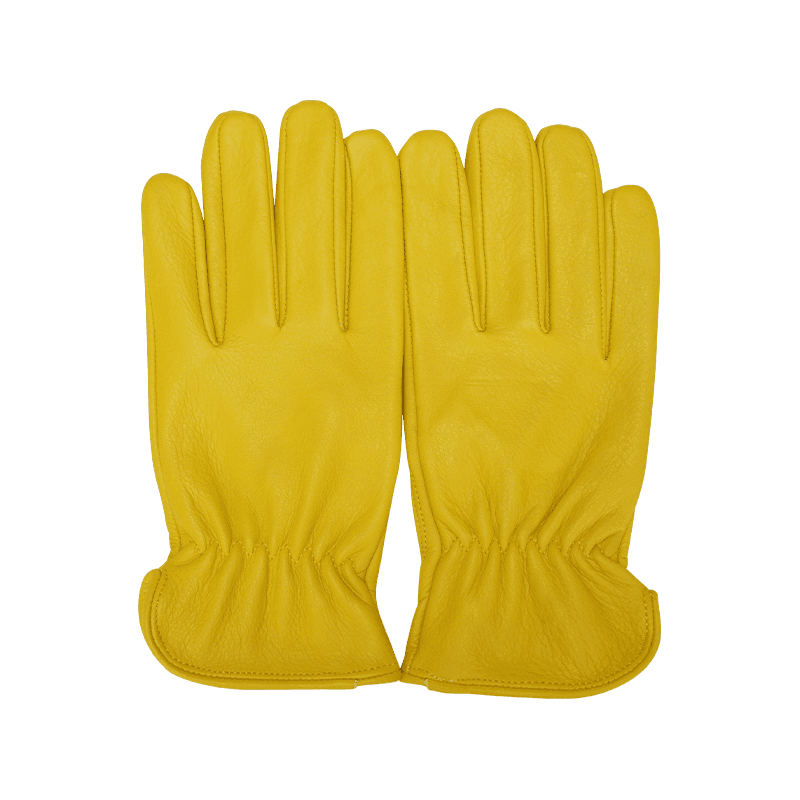
Garden Gloves are specifically designed for landscaping, plant care, and outdoor greenery work. They are significantly superior to ordinary gloves in puncture resistance, cut resistance, dirt resistance, anti-slip, and comfort and breathability. Ordinary gloves are mostly used for daily warmth or light protection, while Garden Gloves are more professional in material selection, functional design, and durability, effectively protecting hands from injury and chemical exposure during gardening tasks.
Content
Material differences determine protective performance
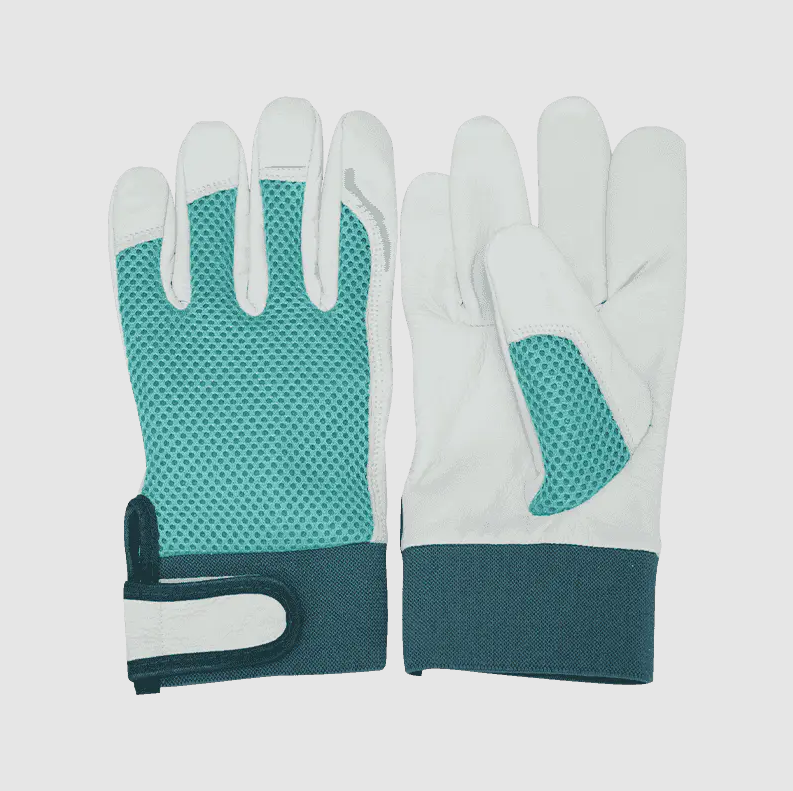
Garden Gloves usually use: Wear-resistant leather: protects palms from cuts and punctures;Latex coating: waterproof, mud-proof, anti-slip grip;Nylon or cotton fibers: lightweight, breathable, comfortable fit;Thickened rubber fingertips: increase durability and protection.
Ordinary gloves materials mostly include: Cotton or polyester fibers;Thin rubber coating;Focused on lightweight warmth, with limited protective ability;Garden Gloves are significantly superior to ordinary gloves in puncture, cut, and chemical protection.
Functional design differences
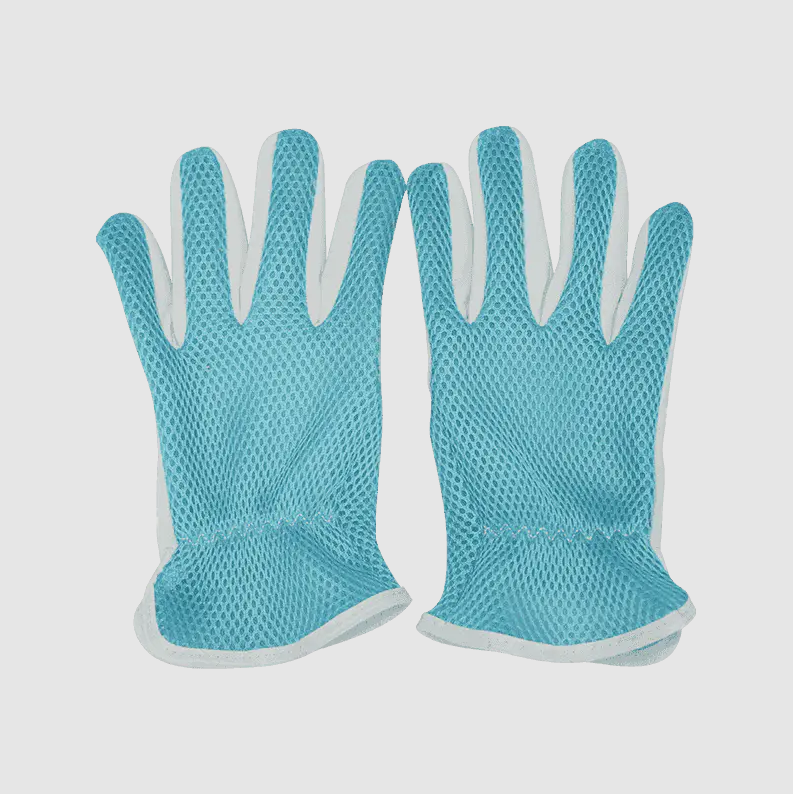
Garden Gloves are designed for gardening tasks with the following features: Reinforced fingers and palm protection;Strong anti-slip textured grip;Washable and dirt-resistant;Elastic fit to hand shape, flexible operation, sensitive fingertips for handling scissors, shovels, and other tools.
Ordinary gloves are primarily for: warmth, light abrasion protection, or daily cleaning use, without these professional features.
Durability, comfort, and service life
Garden Gloves are tested for wear resistance, puncture resistance, and chemical corrosion resistance: Glove lifespan can range from several months to a year;Palm and fingertip materials are thickened to reduce wear;Adapted for soil, branches, fertilizers, and other complex environments.
Ordinary gloves are: easily worn or torn, suitable for light work or short-term use.
Garden Gloves are designed for comfort: Breathable mesh or thin cotton on the back of the hand;Elastic design conforms to hand shape;Long-term wear does not feel stuffy, reduces friction and blisters.
Ordinary gloves have: limited breathability; long-term wear can cause sweating and discomfort.
Protective performance comparison
| Indicator | Garden Gloves | Ordinary gloves |
| Puncture resistance | High | Low |
| Cut resistance | High | Low |
| Mud and water resistance | High | Medium |
| Flexibility | High | Medium |
| Durability | High | Medium–Low |
| Comfort for long-term wear | High | Medium–Low |
Application Scenarios and Selection Recommendations
Garden Gloves: landscaping and pruning, planting, fertilizing, transplanting, weeding and irrigation, outdoor greenery work, flower care, potted plant operations
Ordinary gloves: household cleaning, winter warmth, light handling, daily indoor use
Recommendations for selecting Garden Gloves: Choose materials according to task type: leather for pruning, latex coating for watering;Ensure glove size fits hand shape;Check wear and puncture resistance levels;Consider breathability and washability;Choose thickness according to season and climate
Garden Gloves are not only hand protection products but also important tools for improving work efficiency and safety. Through professional materials, functional design, and durability optimization, they provide comprehensive protection for gardening tasks, while ordinary gloves are more suitable for light daily needs. For people frequently engaged in landscaping, planting, and greenery work, selecting high-quality Garden Gloves is key to ensuring safety and improving work efficiency.
 +86-0513-68163373
Product Category
Related Products
If you are interested in our products, please consult us
Contact Details
- Address: No.99 West Dingxin Road, Dingyan Town, Rugao, Jiangsu, 226500, China
- Fax: +86-0513-88568360
- Tel: +86-0513-68163373
- Email: [email protected]
[email protected]
Products
Quick Link
News Center
Mobile terminal
