


 English
 Français
Which should you choose: industrial gloves or Functional Gloves?
Functional Gloves and industrial gloves differ in design objectives and usage scenarios. The choice depends on work requirements and protection levels. Industrial gloves are mainly used for routine mechanical operations, handling, and basic protection, emphasizing wear resistance and fundamental safety. Functional Gloves are designed for specific conditions, such as high temperature, electrical work, chemical handling, or cut-resistant tasks, providing specialized protection and meeting higher safety and performance requirements.
Content
Material and protection level differences
Functional Gloves typically use high-performance materials: Kevlar or cut-resistant fibers: cut and puncture resistance;Heat-resistant silicone or aramid fibers: high temperature or flame protection;Chemical-resistant rubber (NBR, nitrile): protection against acids, alkalis, and solvents;Conductive materials: anti-static or arc-resistant
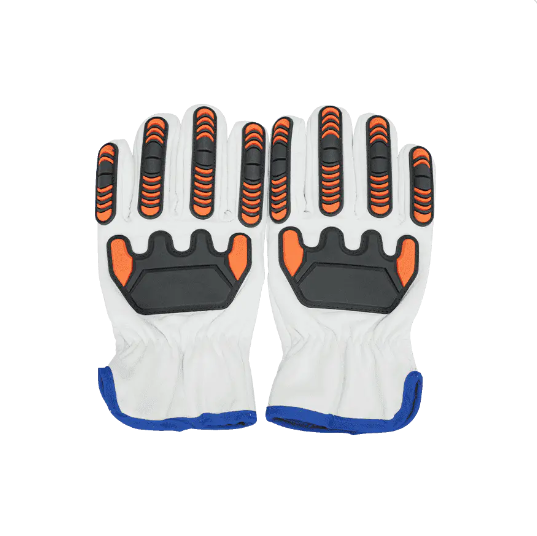
Industrial gloves commonly use: Ordinary leather;PVC, latex, cotton;Polyester fibers;Abrasion-resistant coatings
Conclusion: Functional Gloves offer higher protection in specific environments compared to ordinary industrial gloves.
Suitable work environment comparison
| Work environment | Functional Gloves advantage | Industrial gloves advantage |
| High temperature | Heat-resistant, burn protection | Generally not heat-resistant |
| Electrical work | Anti-static, arc protection | No protective function |
| Chemical handling | Corrosion and solvent resistance | Easily damaged |
| Cutting or mechanical work | Cut and puncture resistant | General wear resistance |
| Routine handling | Generally suitable | Low cost, flexible operation |
Comfort, durability, and professional classification of Functional Gloves
Comfort and dexterity: Functional Gloves are designed for a snug fit, increasing flexibility while maintaining protection. High-performance fibers and elastic materials allow precise finger operation. Industrial gloves are often thicker and heavier, with slightly lower comfort and dexterity. For long-term wear, Functional Gloves are better suited for continuous tasks.
Durability and cost considerations: Functional Gloves: higher unit cost, long lifespan, reusable, suitable for high-risk environments;Industrial gloves: lower unit cost, higher replacement frequency, suitable for basic protection and light work;Cost-effectiveness should be evaluated based on work environment, usage intensity, and protection needs.
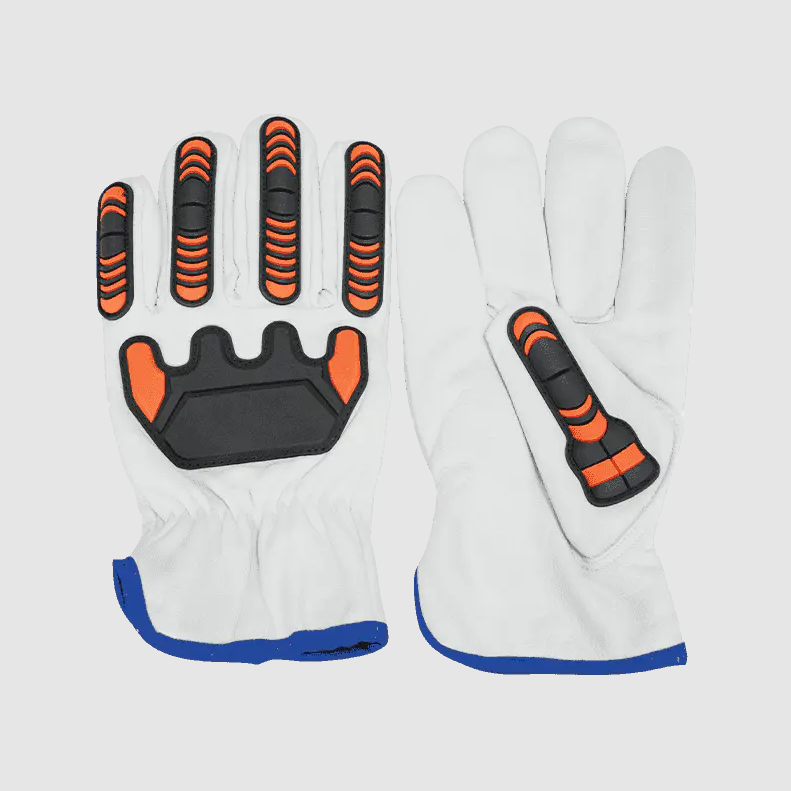
Professional functional glove types: Cut-resistant gloves: for metal processing, glass handling;Heat-resistant gloves: for welding, casting, baking;Chemical-resistant gloves: for chemical labs, solvent handling;Anti-static gloves: for electronic component assembly;Multi-Functional Gloves: combine abrasion, cut, and chemical resistance
Selection recommendations: Identify the work environment and risk level;Choose Functional Gloves based on specific protection needs;Ensure glove size fits the hand for flexibility;Prioritize durability and certified protection standards (e.g., EN, ANSI);Industrial gloves are suitable for low-risk, light work;Functional Gloves are suitable for high-risk or specialized operations
Functional Gloves and industrial gloves each have their purpose, but selection should focus on work risk. In high-temperature, high-cut, high-chemical, or precision work environments, the professional protection offered by Functional Gloves is irreplaceable. In routine handling, basic mechanical operations, or low-risk tasks, industrial gloves are sufficient. Proper glove selection not only protects hands but also enhances work efficiency and comfort.
 +86-0513-68163373
Product Category
Related Products
If you are interested in our products, please consult us
Contact Details
- Address: No.99 West Dingxin Road, Dingyan Town, Rugao, Jiangsu, 226500, China
- Fax: +86-0513-88568360
- Tel: +86-0513-68163373
- Email: [email protected]
[email protected]
Products
Quick Link
News Center
Mobile terminal
