


 English
 Français
News
Home / News / Industry News / Leather Gloves Buyer's Guide: Materials, Performance, and Supplier Selection

When a maintenance supervisor orders leather gloves for a fabrication shop, the decision usually starts with a failed pair from last quarter. The fingertips wore through, the stitching opened near the thumb, or the leather stiffened after repeated exposure to oil. Those failures are not random. They trace back to material selection, tanning method, cut resistance, and the way a glove is specified for a particular task.
Leather gloves remain a standard choice for welding, material handling, gardening, driving, and general industrial work because leather combines abrasion resistance, heat tolerance, and a natural feel that many synthetic materials struggle to match. As a leather glove manufacturer serving global B2B buyers, Nantong Qiji Glove Co., Ltd. has produced work gloves since 1988, moving from OEM production to a product line that includes cowhide, goatskin, sheepskin, pigskin, and microfiber synthetic leather gloves.
This guide covers the practical differences between leather glove materials, the functional features that matter for specific jobs, and the criteria procurement teams can use to compare suppliers. It also explains where a glove might fail in the field and how to avoid those failures through better specification.
Content
Leather is not a single material. Cowhide, goatskin, sheepskin, and pigskin have different fiber structures, thicknesses, and natural characteristics. Those differences affect grip, flexibility, heat resistance, and how long a glove lasts under repeated stress.
Cowhide is the most common leather for industrial gloves. It has dense fibers and good resistance to abrasion, making it suitable for construction, welding, and material handling. Grain cowhide, taken from the top layer of the hide, offers the best combination of strength and finish. Split cowhide, taken from the lower layers, is more economical and still provides solid protection for general work.
Cowhide leather gloves handle heat well, which is why they dominate welding applications. They also resist punctures and tears better than softer leathers. The trade-off is dexterity: cowhide is stiffer than goatskin or sheepskin, and it can take longer to break in.
Goatskin has a tight fiber structure that gives it excellent flexibility and a supple feel. It is lighter than cowhide and often chosen for tasks that require fine motor control, such as gardening, assembly, and driving. Goatskin also has good abrasion resistance, though it may not match heavy cowhide in extreme heat or heavy impact.
Sheepskin is the softest of the common glove leathers. It offers superior comfort and breathability, but lower abrasion resistance. It is often used for light-duty gardening and general handling where comfort matters more than maximum durability. Pigskin sits between sheepskin and goatskin in performance, with a porous surface that breathes well and a reasonable cost profile.
Material choice also interacts with tanning. Chrome-tanned leathers tend to be softer and more water-resistant, while vegetable-tanned leathers can be firmer and more shape-retentive. For industrial buyers, the tanning method affects how the glove feels on the first day and how it ages after repeated washing or exposure to moisture.
The chart below gives a relative comparison of abrasion resistance across four common glove leathers. The scores are not absolute laboratory values; they reflect typical industry experience and are intended to help buyers frame material discussions with suppliers.
Cowhide grain leather scores highest in abrasion resistance, which explains its widespread use in heavy-duty work gloves. Goatskin follows closely while offering better flexibility, making it a strong candidate for tasks that mix handling and dexterity. Pigskin provides a middle ground that can reduce cost without dropping too far in durability. Sheepskin ranks lowest in abrasion resistance but remains valuable where comfort and breathability are the primary requirements.
These differences do not mean one leather is universally better. A sheepskin glove that lasts six months in a light gardening application may be more cost-effective than a cowhide glove that feels too stiff to wear. Conversely, specifying sheepskin for a job with constant abrasive contact will likely lead to premature failure and higher replacement costs.
General-purpose leather gloves cover basic protection, but many industrial tasks combine multiple hazards. A worker might face cut risk, impact, cold, oil, and water exposure in a single shift. Functional leather gloves address these combinations by adding layers, reinforcements, and specialized linings.
Cut-resistant leather gloves typically use a combination of high-strength fibers, leather overlays, or reinforced palms. Impact protection adds thermoplastic rubber or foam padding on the back of the hand and fingers. For tasks like metal stamping, glass handling, or heavy machinery operation, a glove that combines both features can reduce injury severity without completely sacrificing grip.
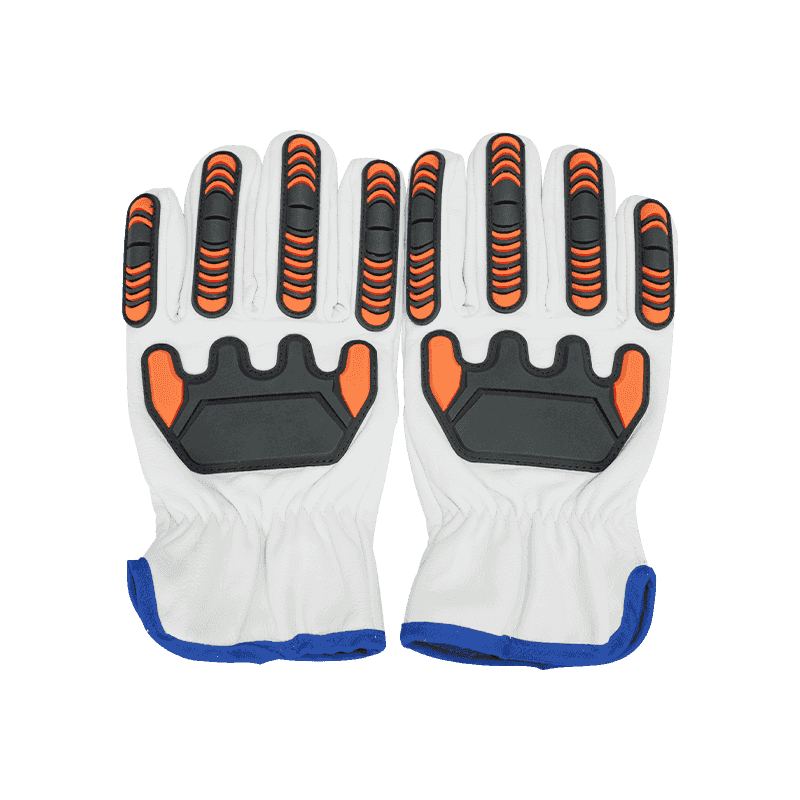 Anti-impact Cut-resistant Cowhide Leather Gloves1. These gloves are made of high-quality cowhide leather, which is known for its desirable abrasion resistance, tear resistance, and flexibility, and can effectively r...View Product →
When specifying cut-resistant leather gloves, buyers should look beyond a single cut level. The cut resistance of cowhide leather gloves depends on leather thickness, fiber density, lining material, and the construction method. A glove that performs well in a straight blade test may behave differently against a serrated edge or under wet conditions.
Welding gloves need to resist sparks, spatter, and radiant heat while allowing enough finger movement to hold a torch or position a workpiece. Cowhide is the traditional choice because it chars rather than melts, giving the wearer time to react. Lengthened cuffs protect the forearm, and Kevlar or wool linings add insulation.
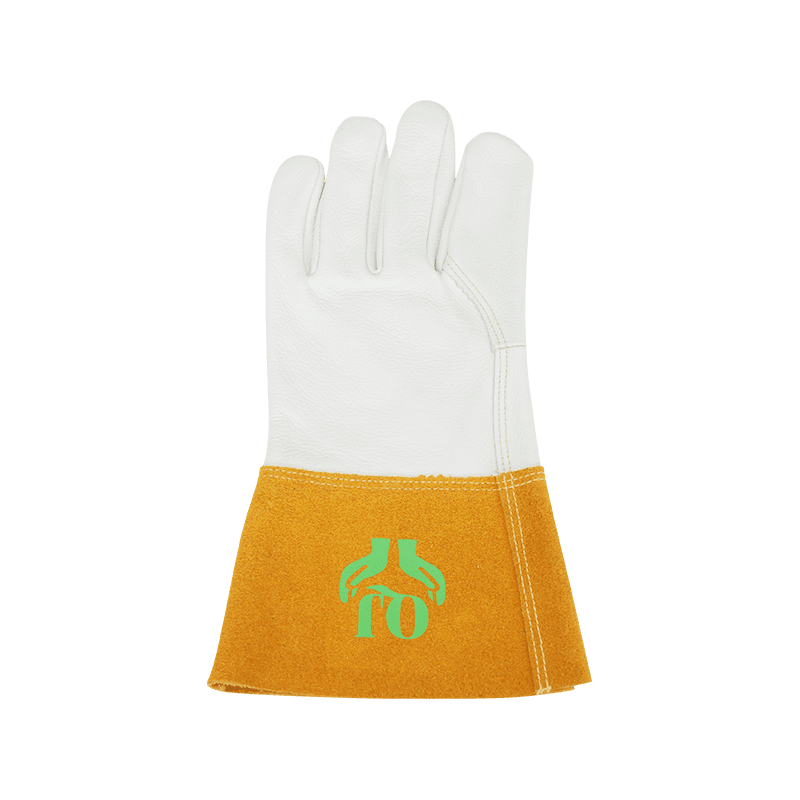 Cowhide Leather Welding Gloves1. The desirable performance of cowhide welding gloves ensures the safety of workers during welding operations. It can withstand high temperatures, sparks, and spatter...View Product →
For TIG welding, where precision matters more than heavy spatter protection, thinner goatskin or deerskin gloves may be preferred. The key is to match the glove to the welding process, amperage, and position. A glove that is too thick can cause fatigue; one that is too thin may allow burns.
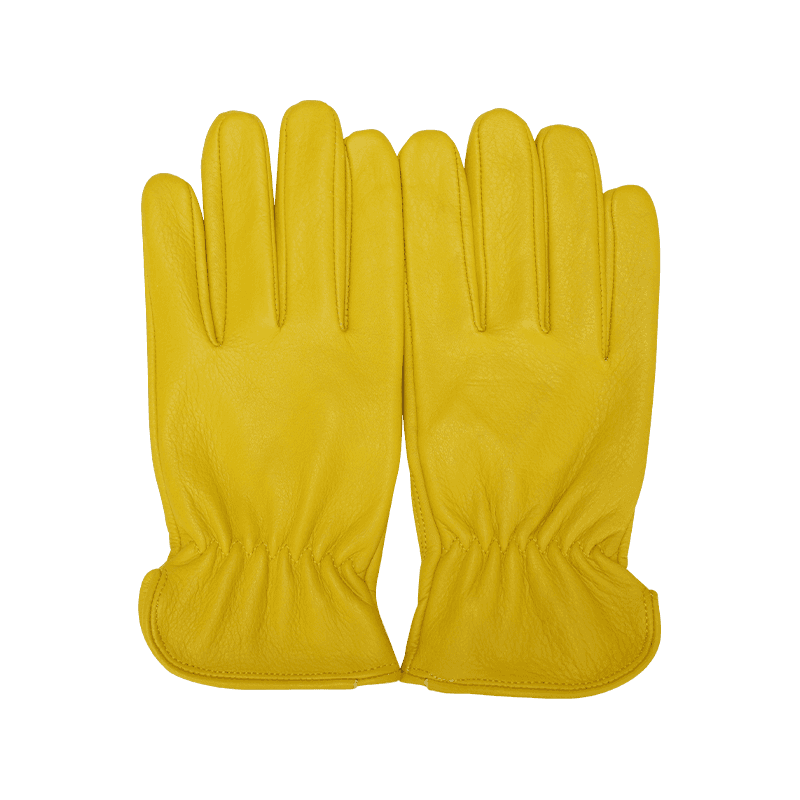
Gardening gloves prioritize flexibility, breathability, and grip. Goatskin gardening gloves offer a good balance for pruning, planting, and general yard work. Some models include touchscreen-compatible fingertips, which allow users to operate a phone or tablet without removing the glove.
 Goatskin Gardening GlovesCowhide is a premium leather material that is widely recognized for its toughness, abrasion resistance, and tear resistance. The Cowhide Garden Gloves are made from th...View Product →
Driver gloves are cut and sewn to follow the natural curve of the hand, reducing fatigue during long periods behind the wheel. Cowhide and goatskin are both common, with unlined versions for warm weather and lined versions for cold climates.
Procurement teams evaluating leather gloves for a workforce should move beyond unit price. The total cost of ownership includes replacement frequency, injury risk, worker compliance, and storage conditions. A glove that costs 20% more but lasts twice as long can reduce annual spending.
| Material | Abrasion Resistance | Flexibility | Heat Resistance | Typical Applications |
|---|---|---|---|---|
| Cowhide (grain) | High | Moderate | High | Welding, construction, heavy handling |
| Goatskin | Moderate to high | High | Moderate | Gardening, assembly, driving |
| Sheepskin | Low to moderate | Very high | Low | Light gardening, general comfort |
| Pigskin | Moderate | Moderate to high | Moderate | General work, value-focused programs |
Beyond material, buyers should confirm sizing consistency, stitching quality, and cuff design. A glove that fits poorly will be removed, no matter how protective it is. Stitching should be tight and uniform, with reinforced stress points at the thumb and palm. Cuffs should match the task: elastic wrists for dexterity, safety cuffs for quick removal, and long gauntlets for welding or chemical work.
Supplier evaluation is equally important. A reliable leather glove manufacturer should provide clear material specifications, consistent production quality, and responsive communication. Buyers should ask about production capacity, lead times, and quality control procedures. For custom programs, ask whether the supplier can handle private labeling, custom sizing, and specialized feature combinations.
Leather gloves last longer when they are cared for properly. Simple maintenance can extend service life by weeks or months, especially in environments with moisture, oils, or abrasive dust.
Inspection matters as much as cleaning. Before each shift, check for worn fingertips, loose stitching, and hardening. A glove that has lost its flexibility may still look intact but can fail suddenly under stress. Replace gloves when the leather becomes thin or the lining is exposed.
Cowhide leather gloves are generally thicker, more abrasion-resistant, and better suited to heavy-duty work and heat exposure. Goatskin leather gloves are lighter, more flexible, and offer better dexterity for tasks that require fine motor control. The choice depends on whether durability or flexibility is the priority.
Start by identifying the sharp materials, blade types, and forces involved in the task. Then check the cut resistance rating of the glove, along with the material and construction. Higher cut levels usually add bulk, so balance protection with the dexterity needed to perform the job safely.
Many leather glove manufacturers offer customization, including private labeling, custom sizes, and specific feature combinations. Buyers should discuss minimum order quantities, sampling timelines, and quality control steps before placing a production order.
Look for a supplier with demonstrated production experience, consistent quality control, and clear communication. Ask for material specifications, test reports where available, and references from similar industries. A supplier that understands your application can recommend the right leather and construction rather than simply quoting a price.
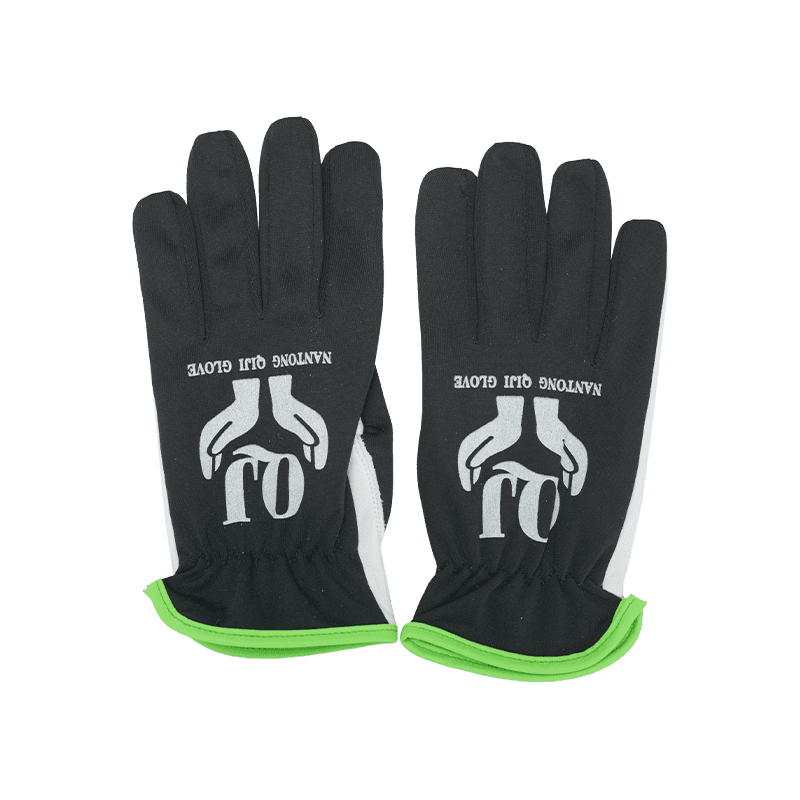
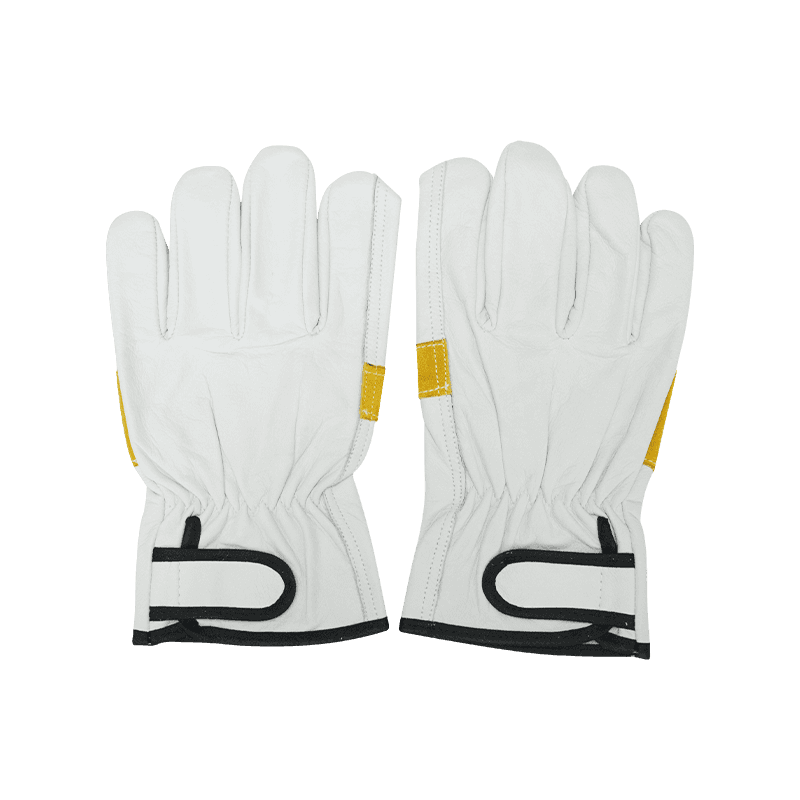
If you are interested in our products, please consult us
 +86-0513-68163373
