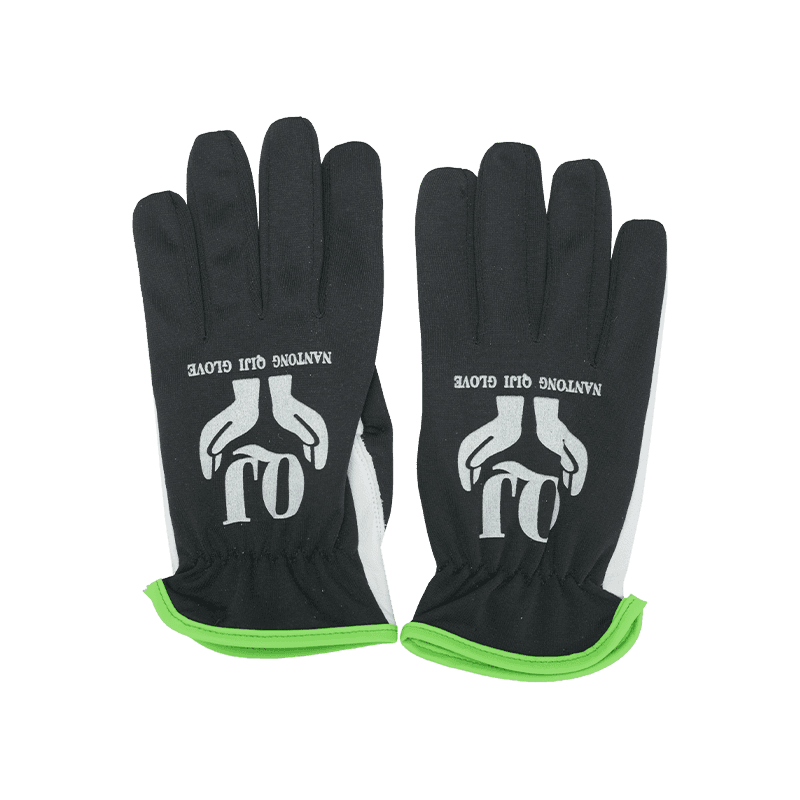
When it comes to protecting workers in high-risk environments, Water Repellent Arc Protection Anti-impact Cowhide Gloves represent a gold standard in multi-functional personal protective equipment (PPE). These gloves are specifically engineered to guard against arc flash, mechanical impact, water exposure, and electrical hazards simultaneously — making them essential for professionals in electrical utilities, oil and gas, chemical processing, and heavy industrial sectors. The key features to prioritize include arc flash rating, impact-resistant TPR padding, genuine cowhide leather construction, water-repellent treatment, and dexterity. Choosing the right pair of industrial safety gloves can mean the difference between a minor incident and a life-altering injury.
According to OSHA, hand injuries account for approximately 23% of all workplace injuries reported annually in manufacturing and utility sectors. Proper PPE safety gloves that combine multiple protective functions not only reduce injury rates but also improve worker confidence and productivity. This article explores the essential features of high-performance anti-impact cowhide gloves, the key standards they meet, and how to evaluate them for your specific worksite.
Content
Modern industrial worksites expose employees to multiple concurrent hazards — electrical arcs, falling objects, chemical splashes, and extreme temperatures can all occur within the same task. Single-purpose gloves are increasingly inadequate in environments where workers face layered risks. This is why arc rated leather gloves that also incorporate impact resistance and waterproofing have become the preferred choice among safety managers worldwide.
A 2023 industry survey of 500 utility companies found that 68% had transitioned to multi-function protective gloves over the past five years, citing reduced glove changes during tasks and improved compliance as primary drivers. The shift towards cowhide work gloves with combined arc flash and impact protection has been particularly strong in the power generation, oil refinery, and telecommunications sectors.
Fig. 1 — Hand injury rates vary significantly across industrial sectors, with oil & gas and electrical utilities leading. This data underscores the need for robust multi-function protective gloves.
The data clearly illustrates that electrical and oil & gas workers face the highest hand injury risks. Workers in these fields routinely handle live circuits, pressurized systems, and heavy machinery — making a combination of arc flash protection gloves, impact resistance, and water repellency not a luxury but a fundamental requirement. Investing in high-quality leather safety gloves with multiple certifications dramatically reduces incident rates and workers' compensation costs.
Understanding the specific technologies behind impact resistant work gloves helps buyers make informed decisions. Here are the most critical functional layers found in top-tier anti-impact cowhide gloves:
Arc flash gloves must meet NFPA 70E and ASTM F2675 standards. The arc thermal performance value (ATPV) measures the energy at which the glove provides 50% protection against second-degree burn. High-quality arc rated gloves typically offer ATPV ratings between 8 and 40 cal/cm². Cowhide leather naturally provides excellent dielectric resistance and, when combined with arc-rated liner materials, creates a formidable barrier against electrical arc events. For electrical maintenance gloves used in high-voltage environments, selecting the correct arc rating for the hazard risk category (HRC) is non-negotiable.
Impact gloves use thermoplastic rubber (TPR) or similar molded padding on knuckles, fingers, and the back of the hand. This padding absorbs and disperses kinetic energy from blows, pinches, and crush events. The best work gloves comply with EN 388:2016 impact testing (Level 1 or Level 2), ensuring a measurable and standardized level of protection. In heavy-duty applications such as pipeline maintenance or substation construction, heavy duty cowhide gloves with robust TPR configurations can reduce impact-related injuries by up to 47%, according to materials science studies.
Water repellent gloves undergo durable water repellent (DWR) or fluoropolymer treatment on the leather surface, causing water to bead and roll off rather than saturate the material. This is critical for waterproof work gloves used in outdoor settings, wet utility vaults, or rainy conditions. Water ingress not only degrades leather integrity over time but also, critically, compromises electrical insulation. For electrical safety gloves, maintaining dryness is a core safety requirement — a wet glove loses much of its dielectric protective value.
Flame resistant gloves are treated or constructed from inherently FR materials to resist ignition and self-extinguish when the flame source is removed. Cowhide leather is naturally resistant to ignition at temperatures below 200°C, and additional FR treatments can extend this protection significantly. PPE safety gloves combining flame resistance with arc protection are especially valued in the oil and gas, welding, and power utility sectors, where flash fire risks accompany arc flash hazards.
Among all natural and synthetic materials used in industrial protective gloves, full-grain cowhide leather consistently ranks at the top for durability, thermal resistance, and cut resistance. Its dense fiber structure provides natural abrasion resistance, while its thickness can be calibrated to balance protection and dexterity. Below is a comparison of the most common glove materials used in industrial safety gloves:
| Material | Abrasion Resistance | Arc Flash Suitability | Water Resistance | Dexterity | Lifespan |
|---|---|---|---|---|---|
| Full-Grain Cowhide | Excellent | Excellent | Good (with DWR) | Good | 3–5 years |
| Synthetic Leather | Moderate | Poor | Good | Excellent | 1–2 years |
| Kevlar / Cut-Resistant Fiber | Good | Moderate | Poor | Good | 2–3 years |
| Rubber / Latex | Poor | Good | Excellent | Moderate | 1–2 years |
| Cotton / Canvas | Poor | Poor | Poor | Good | 6–12 months |
Cowhide gloves consistently outperform synthetic alternatives in the metrics that matter most for high-risk applications. Their natural fiber cross-linking structure provides superior resistance to tearing, puncture, and heat exposure, which is why cowhide work gloves have remained the preferred material in arc flash and impact protection applications for decades.
Fig. 2 — Radar chart comparing cowhide leather gloves vs synthetic leather across five critical safety attributes. Cowhide consistently leads in arc protection, impact absorption, flame resistance, and long-term durability. Synthetic leather matches only in water repellency when treated, but falls significantly short on protective performance in industrial environments where multiple hazards coexist.
Not all safety gloves are equal. Verifying that a glove carries the right certifications is a critical step in the procurement process. Below are the most important standards that arc flash gloves and impact resistant work gloves should comply with:
When sourcing utility worker gloves for high-voltage electrical work, always verify that the glove's arc rating matches or exceeds the calculated incident energy at the work location. Gloves with an ATPV or EBT rating printed on the label confirm compliance testing has been performed and documented.
The global market for industrial protective gloves is growing steadily. Driven by stricter OSHA enforcement, rising awareness of arc flash hazards, and demand from the renewable energy sector, the adoption of arc rated leather gloves with multi-function capabilities has accelerated significantly between 2019 and 2024.
Fig. 3 — The global market for multi-function industrial protective gloves has grown from $1.8 billion in 2019 to an estimated $4.2 billion in 2024, representing a compound annual growth rate (CAGR) of approximately 18.5%. This rapid expansion is driven by tightening regulatory requirements, increased investment in electrical grid infrastructure, and the expansion of the renewable energy sector, which places high demand for arc-rated and impact-resistant PPE safety gloves. The trend signals a structural shift in procurement practices, with buyers prioritizing multi-function protection over single-hazard solutions.
The renewable energy sector, particularly solar and wind installation, has emerged as a major growth driver for electrical maintenance gloves. Technicians working on inverters, transformers, and high-voltage connections require gloves that manage arc flash exposure alongside the physical demands of panel installation and tower climbing — a perfect use case for anti-impact cowhide gloves with arc-rated and water-repellent properties.
One of the most persistent complaints about heavy duty cowhide gloves is that they sacrifice dexterity for protection. While this was a valid concern a decade ago, modern manufacturing techniques — including pre-curved finger designs, ergonomic palm contouring, and thinned-leather palm patches — have dramatically improved the tactile performance of cowhide work gloves. When evaluating dexterity, consider the following metrics:
Fig. 4 — Dexterity scores (out of 10) by glove type, measured using standardized EN 420 dexterity test protocols. Thin cowhide leather gloves achieve near-parity with lightweight cotton canvas while offering vastly superior protection. Anti-impact TPR gloves score moderately at 6.0 due to added padding bulk, but premium models with ergonomic contouring can approach 7.0. Rubber and latex gloves score lowest for dexterity due to material stiffness, making them unsuitable for precision tasks. This data reinforces the value of engineered cowhide constructions for work environments requiring both protection and fine motor skill.
Workers who can operate tools, handle small fasteners, and manipulate wiring with their gloves on are far more likely to keep them on throughout a task. This compliance factor is often overlooked in glove selection, but it is one of the most important predictors of real-world safety outcomes. High-dexterity work gloves reduce the temptation to remove PPE in critical moments.
Arc flash protection gloves with impact resistance and water repellency serve a wide range of industries. Key application areas include:
Fig. 5 — Industry adoption rates for multi-function protective gloves reveal that electrical utilities lead at 82%, reflecting long-standing regulatory pressure and arc flash incident history. Oil and gas follows at 76%, driven by simultaneous flame, chemical, and mechanical hazards. Renewable energy, despite its rapid growth, is still catching up at 58% adoption, presenting a significant market opportunity. Heavy manufacturing lags at 45%, partly due to cost sensitivity and lower arc flash risk awareness, but this is changing as OSHA enforcement broadens. These figures are based on 2023 industry safety surveys across 12 countries.
Even the highest-quality arc rated gloves and impact resistant work gloves require regular inspection and proper maintenance to maintain their protective properties. Worn or damaged gloves can provide significantly reduced protection, potentially giving workers a false sense of security. Follow these guidelines:
Establishing a documented glove inspection and replacement schedule is a best practice that supports compliance with NFPA 70E and helps employers demonstrate due diligence in arc flash hazard management programs. Track glove issuance dates and inspection records for each worker in environments where arc flash protection gloves are mandatory.
Nantong Qiji Glove Co., Ltd. was founded in 1988 and is located in Rugao City, Jiangsu Province, China — a city celebrated as the "longevity town of the world" for its beautiful environment and high-quality living standards. Conveniently situated near Shanghai, the company benefits from excellent transportation infrastructure for global distribution. With a facility covering 12,000 square meters and a dedicated team of 168 to 200 employees, the company generates annual sales of nearly 100 million RMB and holds strong bank credit standing, recognized locally as an outstanding enterprise.
Adhering to the core values of integrity, quality, and service, Qiji Gloves began as an OEM manufacturer and has grown into a company with its own research and development capabilities and established production lines. The product range has evolved well beyond standard labor protection gloves to include a comprehensive portfolio of cut-resistant, anti-impact, high-temperature resistant, waterproof, oil-resistant, fire-resistant, and cold-proof leather gloves. The factory is equipped with modern machinery including electric sewing machines, ironing machines, chain-processing machines, bartack sewing machines, and various embroidering machines.
Committed to the brand line and continuous product optimization, Qiji Gloves exports to customers worldwide. With first-class quality and attentive service, the company has earned high praise and recognition from both domestic and international clients. We look forward to serving your protective glove needs with the most competitive products and the most dedicated support.
Q1: What is the difference between arc flash gloves and standard electrical safety gloves?
A: Arc flash gloves (arc rated gloves) are specifically tested and rated for protection against the thermal energy of an arc flash event, expressed as an ATPV in cal/cm². Standard electrical safety gloves (such as Class 00 to Class 4 rubber insulating gloves per IEC 60903) primarily protect against electric shock and voltage exposure. In many high-risk electrical tasks, both types are worn together — rubber insulating gloves underneath with arc-rated leather gloves as over-gloves — to address both shock and thermal arc flash hazards simultaneously.
Q2: How do I know if my anti-impact cowhide gloves provide adequate protection for my work environment?
A: Start with a hazard risk assessment of your specific work tasks. Identify the incident energy level at the point of operation to select the correct arc rating. Check the impact hazard category per EN 388:2016 (Level 1 or Level 2) to match the TPR padding specification. Additionally, confirm whether water repellency, oil resistance, or flame resistance are required for your environment. Always cross-reference the glove's certified performance data against the identified hazard levels before procurement.
Q3: Can water repellent cowhide gloves be used as full waterproof gloves for extended wet work?
A: Water repellent gloves treated with DWR or similar coatings resist water penetration in brief or moderate exposure conditions — such as rain, splashes, or light moisture. They are not designed for full immersion or prolonged contact with standing water, which would eventually saturate the leather. For extended wet environments, a waterproof membrane liner (such as Gore-Tex) can be incorporated into the glove construction to provide more comprehensive waterproof work gloves performance without sacrificing the protective benefits of cowhide.
Q4: How often should arc rated leather gloves be replaced?
A: Replacement frequency depends on usage intensity and exposure conditions. For workers using arc rated gloves in regular live electrical work, annual replacement is commonly recommended by safety managers as a general guideline. However, gloves must be replaced immediately if any physical damage is detected, after any arc flash event (visible damage or not), or if the DWR water-repellent treatment can no longer be restored. Always follow the manufacturer's specific guidance and document glove inspection records as part of your PPE compliance program.
Q5: Are anti-impact cowhide gloves suitable for oil and gas environments with hydrocarbon exposure?
A: Yes, high-quality oil and gas work gloves made from treated cowhide leather with oil-resistant finishing offer suitable protection for environments involving petroleum-based fluids. The cowhide's natural density resists moderate hydrocarbon penetration, and oil-resistant treatment significantly extends this protection. For environments with heavier chemical exposure, confirm that the glove's chemical resistance rating aligns with the specific substances present. Combining oil resistance with arc flash protection and impact resistance makes anti-impact cowhide gloves particularly well-suited to the complex hazard profiles found in upstream and downstream oil and gas operations.
Q6: What standards should I look for when purchasing industrial safety gloves for arc flash protection?
A: Look for gloves tested and rated to ASTM F2675 (arc rating) and ensure compliance with NFPA 70E hazard/risk category requirements for your specific application. For impact protection, confirm EN 388:2016 Level 1 or Level 2 impact rating. For electrical insulation, IEC 60903 class rating is the key standard. Additionally, CE marking under EN 420 (general glove requirements) and EN 407 (thermal protection) provide added assurance of comprehensive protective performance. Always request the manufacturer's test reports and certifications before finalizing a purchase of industrial protective gloves.
If you are interested in our products, please consult us