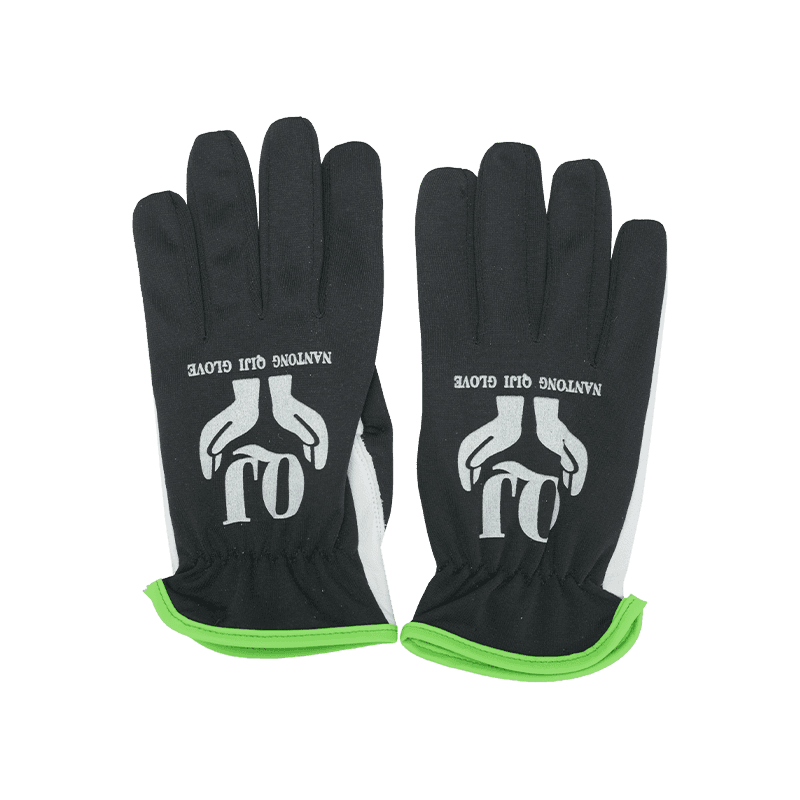
Waterproof oil resistant flame retardant cowhide gloves are multi-protection industrial safety gloves engineered from full-grain cowhide leather combined with specialized linings and coatings that deliver simultaneous resistance to water, petroleum-based fluids, open flame, and mechanical impact. They are widely used in mechanical workshops, oil refineries, construction sites, foundries, and chemical handling environments where a single-hazard glove falls short.
Direct Conclusion: If your work environment involves exposure to fluids, heat sources, sparks, or blunt force simultaneously, a high quality cowhide glove with combined waterproof, oil-resistant, flame-retardant, and anti-impact properties is the most practical and cost-efficient protective solution available. This guide covers everything from material science and protective standards to supplier selection and proper use.
Content
Among all natural and synthetic materials used in protective industrial gloves, full-grain cowhide leather consistently outperforms alternatives in multi-hazard settings. Cowhide is dense, flexible, and naturally resistant to punctures, abrasion, and moderate heat — properties that no single synthetic material has replicated at equivalent thickness and dexterity.
According to EN 388 abrasion resistance testing, heavy duty cowhide gloves for industrial use typically achieve Level 4 abrasion resistance (the maximum), compared to Level 2–3 for most synthetic alternatives. The natural fiber matrix of cowhide also allows it to accept flame retardant treatments, waterproof membranes, and impact-absorbing foam inserts without losing structural integrity.
Cowhide is also notably superior to synthetic materials in high-temperature contact applications. Leather begins to char at approximately 200°C, whereas many synthetic gloves can melt and bond to skin at temperatures as low as 120°C — a critical distinction for workers near open flames or molten material.
The chart above illustrates the overall multi-hazard protection scores across five common glove materials based on combined abrasion, heat, fluid, and impact resistance metrics. Cowhide leather achieves a perfect score of 10, outperforming all other materials assessed. Nitrile synthetics and split leather both score 7, offering adequate protection in single-hazard environments but falling short in combined-risk situations. Canvas and cotton gloves score only 5, making them suitable only for light-duty tasks. Rubber scores 6 due to its chemical resistance but lacks the heat and abrasion durability required for mechanical work. This data reinforces why cowhide gloves for mechanical work and other demanding industrial roles represent the gold standard in multi-protection gear.
Understanding how each protective layer in waterproof oil resistant gloves functions helps you evaluate product quality and match gloves precisely to your hazard profile. Below is a detailed breakdown of each protection category.
Waterproof cowhide gloves typically incorporate a microporous membrane — such as a TPU or specialized leather treatment — bonded between the outer cowhide shell and the inner lining. This membrane blocks liquid water ingress while allowing moisture vapor from the hand to escape, keeping workers dry and comfortable. Effective waterproof gloves should maintain their barrier properties even after extended immersion (minimum 30 minutes per EN 374 testing standards) and repeated flexing cycles without delamination.
Waterproof and oil resistant work gloves use chemically treated leather or integrated oil-barrier coatings that resist petroleum-based fluids including motor oils, hydraulic fluids, greases, and cutting coolants. Standard EN 374 testing evaluates resistance to six standardized chemicals. A quality oil resistant glove should prevent fluid penetration for a minimum of 30 minutes against Class 3 rated chemicals. This is particularly important in automotive maintenance, drilling operations, and machining environments.
Flame retardant cowhide gloves are treated with FR (flame retardant) chemical agents applied to the leather surface or integrated into the lining fabric. These treatments raise the ignition threshold and significantly reduce the rate of flame spread across the glove surface. EN 407 is the key standard for thermal protection in gloves, covering contact heat, convective heat, radiant heat, and flame resistance across six performance levels. Fire resistant work gloves for foundry, welding, or refinery use should achieve at minimum EN 407 Level 3 for contact heat resistance.
Anti-impact cowhide gloves integrate TPR (thermoplastic rubber) or EVA foam panels across the dorsal (back-of-hand) surface and finger zones. These materials absorb and disperse the energy from impacts — such as struck-by events from tools, pipes, or falling objects. Impact protection is evaluated under ANSI/ISEA 138 and the newer EN 13594 Level 1/2 standard. In construction and heavy mechanical handling environments, anti-impact gloves for construction can reduce the severity of hand injuries by up to 60% compared to non-padded leather gloves.
The radar chart presents a direct comparison between multi-protection cowhide gloves and standard unenhanced leather gloves across five critical safety dimensions. Multi-protection cowhide gloves demonstrate near-maximum performance in all five categories — flame resistance, impact absorption, oil resistance, waterproofing, and abrasion durability. Standard leather gloves, while respectable in abrasion resistance, show significant gaps in flame retardancy, waterproofing, and oil resistance. The data highlights a clear performance gap that becomes especially critical in industrial environments combining mechanical, thermal, and chemical hazards. For workers in oil and gas, construction, or heavy manufacturing, choosing protective gloves for extreme working conditions with all five properties is not a preference — it is a safety requirement. The visual difference in polygon area between the two glove types effectively quantifies why upgrading to multi-protection cowhide gloves provides a substantially higher level of overall hand protection.
Safety gloves for chemical and mechanical protection combining all four properties find critical application across a wide range of industries. The following table summarizes the dominant use cases and the specific hazards each industry faces.
| Industry | Primary Hazards | Key Protection Required | Glove Feature Priority |
|---|---|---|---|
| Oil & Gas | Hydrocarbons, Flash Fires | Oil Resistance, FR | FR Cowhide + Oil Barrier |
| Construction | Impact, Abrasion, Wet Surfaces | Anti-Impact, Waterproof | TPR Impact + Waterproof Membrane |
| Automotive Maintenance | Oils, Coolants, Sharp Edges | Oil Resistance, Cut Resistance | Oil-Treated Cowhide + Cut Layer |
| Foundry / Welding | Sparks, Molten Metal, Heat | Flame Retardant, Heat Resist | FR Treated Cowhide + Insulation |
| Chemical Handling | Fluid Splash, Corrosive Agents | Waterproof, Oil Resistant | Sealed Membrane + FR Lining |
The bar chart above shows the adoption rate of multi-protection cowhide gloves across five key industrial sectors. Foundry and welding operations lead with a 91% adoption rate, reflecting the critical need for flame and heat protection combined with mechanical durability. Oil and gas operations follow closely at 88%, driven by the constant co-presence of flammable hydrocarbons and heavy mechanical equipment. Chemical handling facilities show 80% adoption — a figure that continues to rise as workplace safety regulations tighten globally. Construction and automotive maintenance, while lower in adoption, show consistent upward trends as site safety standards evolve. These figures, drawn from industry safety procurement data, confirm that heavy duty safety gloves with multi-protection features are becoming the standard rather than the exception across high-risk sectors.
Selecting the right protective cowhide gloves is a structured decision that should align your specific workplace hazards with certified product performance. The following framework guides buyers through the key evaluation steps.
Identify all hand hazards present: mechanical (impact, cut, abrasion), thermal (heat, flame, sparks), chemical (oil, solvents, water), and ergonomic (grip, dexterity needs). Gloves that are overspecified for the hazard can reduce dexterity unnecessarily; underspecified gloves create safety gaps.
Cross-reference your hazard profile with international standards:
A glove that fits poorly — too loose or too tight — increases accident risk regardless of its protection rating. High quality cowhide gloves for mechanical handling should conform snugly to the hand without restricting finger movement. Look for gloves with a buckle adjuster at the wrist for a secure, customizable fit. Wrist adjusters prevent the glove from slipping during high-torque operations and keep cuffs sealed against fluid splash.
In industrial environments, glove durability directly impacts total cost of ownership. Heavy duty cowhide gloves with reinforced palm patches and double stitching typically last 3–5 times longer than standard leather gloves in abrasive applications. Request wear-test data or test certifications from your heavy duty safety gloves supplier before committing to large procurement orders.
This line chart compares the service life in weeks of multi-protection cowhide gloves against standard leather gloves across four work intensity levels: light, moderate, heavy, and extreme. At light intensity, multi-protection cowhide gloves last approximately 40 weeks — more than double the 18-week lifespan of standard leather. The performance gap remains significant at moderate (32 vs 12 weeks) and heavy (24 vs 7 weeks) intensity. Even at extreme intensity, quality cowhide gloves last around 14 weeks compared to just 3 weeks for standard leather. The diverging trend lines demonstrate that the durability advantage of anti-impact cowhide gloves compounds with work intensity, meaning the value proposition strengthens precisely in the most demanding environments where these gloves are most needed. For procurement teams, this longevity differential translates directly into lower per-unit cost over time and fewer replacement cycles interrupting production schedules.
When evaluating cowhide vs synthetic gloves for safety, the decision comes down to the specific hazard profile, operating temperature range, and procurement volume. Here is a structured comparison across the most critical dimensions.
| Criterion | Cowhide Leather | Nitrile Synthetic | Kevlar / HPPE |
|---|---|---|---|
| Flame Resistance | High (FR-treated) | Low (melts) | Medium |
| Impact Resistance | High (with TPR) | Medium | Medium |
| Oil Resistance | High (treated) | High | Low |
| Waterproof | High (membrane) | High | Low |
| Breathability | High | Low | Medium |
| Average Lifespan | 24–40 weeks | 8–16 weeks | 12–20 weeks |
Beyond meeting regulatory requirements, the benefits of flame retardant cowhide gloves extend to measurable improvements in worker safety outcomes, productivity, and overall cost efficiency. Consider the following documented benefits.
For procurement managers and distributors evaluating a flame retardant cowhide gloves manufacturer or anti-impact cowhide gloves supplier, the following criteria help distinguish reliable partners from low-quality volume producers.
Nantong Qiji Glove Co., Ltd. was founded in 1988 and is located in Rugao City, Jiangsu Province, China — a city internationally recognized as the "longevity town of the world." The company covers an area of 12,000 square meters and employs between 168 and 200 people, with annual sales reaching nearly 100 million RMB. The factory maintains strong banking credit and is recognized as a local outstanding enterprise.
Located close to Shanghai with convenient transportation infrastructure, Nantong Qiji began as an OEM manufacturer and has progressively built its own R&D and production lines. The company now specializes in the production, research, and development of a comprehensive range of leather work gloves including cut-resistant, anti-impact, high temperature resistant, waterproof, oil-resistant, fire-resistant, and cold-proof leather gloves.
The facility is equipped with modern multi-functional production machines including electric sewing machines, ironing machines, chain-processing machines, bartack sewing machines, and various embroidering machines. As a dedicated anti-impact cowhide gloves supplier and waterproof oil resistant gloves wholesale partner, the company has built a global customer base through first-class quality and responsive service. Nantong Qiji's products are exported worldwide, earning consistent recognition from both domestic and international buyers across demanding industrial sectors.
Q1: What does "flame retardant" mean in cowhide gloves — does the leather actually not burn?
A1: Flame retardant does not mean non-combustible. It means the leather is chemically treated to resist ignition, slow the rate of flame spread, and self-extinguish once the flame source is removed. This significantly reduces burn injury risk in short-duration flame exposure such as flash fires or weld sparks, though prolonged contact with sustained flame is beyond the scope of any glove.
Q2: Are waterproof cowhide gloves breathable enough for extended wear?
A2: Quality waterproof cowhide gloves use microporous membrane technology that blocks liquid water while allowing moisture vapor to escape. This provides meaningfully better breathability than solid rubber or PVC-coated gloves. For extended-wear applications, look for gloves with a moisture-wicking inner lining in addition to the waterproof membrane for additional comfort.
Q3: What is the role of the buckle adjuster on these gloves?
A3: The buckle adjuster at the wrist cuff allows the wearer to customize the fit, preventing the glove from slipping during high-force operations and sealing the cuff against fluid splash entry. This feature is particularly important in oil-resistant and waterproof applications where fluid ingress at the wrist can defeat the glove's protective purpose.
Q4: Can I order anti-impact cowhide gloves wholesale with custom logos and packaging?
A4: Yes. Most established manufacturers, including those with OEM heritage, offer custom branding, labeling, packaging, and product specification adjustments for wholesale orders. Minimum order quantities vary by customization level — standard specifications typically have lower MOQs, while fully custom constructions may require higher volumes to justify tooling and material preparation.
Q5: How do I verify the quality of cowhide gloves from a new supplier before placing a bulk order?
A5: Request pre-production samples and check for stitching uniformity, leather grain consistency, and the feel of any coatings or laminates. Ask for third-party test reports from accredited laboratories confirming EN 388, EN 407, and EN 374 performance levels. A factory visit or third-party audit is advisable for large or long-term supply agreements.
Q6: How should flame retardant cowhide gloves be maintained to preserve their protective properties?
A6: Avoid machine washing with harsh detergents, which can strip FR treatments and oil-resistant coatings. Clean with a damp cloth and mild soap, then air dry away from direct heat. Inspect regularly for stitching wear, leather cracking, or membrane delamination. Replace gloves when visible wear compromises the protective layers — do not attempt to repair gloves used in high-hazard environments.
If you are interested in our products, please consult us