Content
The four main types of work gloves are general purpose leather gloves, cut resistant gloves, thermal or extreme cold weather work gloves, and chemical or oil resistant gloves. Each category of functional gloves is built around a specific hazard, and matching the glove to the task is the most direct way to reduce hand injuries on a job site. According to hand protection guidance published by the Occupational Safety and Health Administration, glove selection should always be based on the specific hazard present rather than general comfort alone, which is why understanding these four categories matters before buying functional gloves for work.
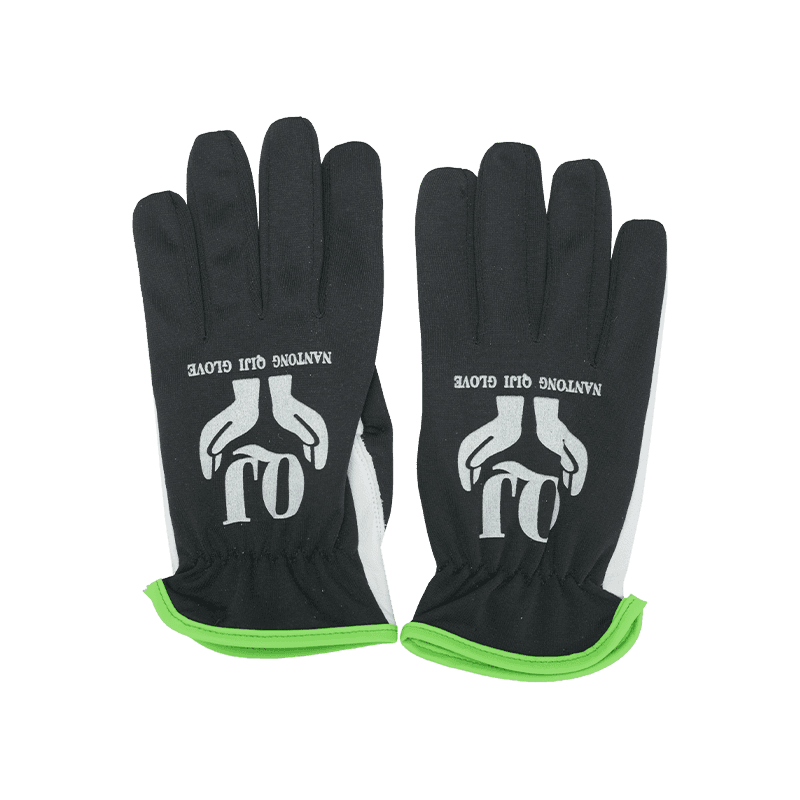
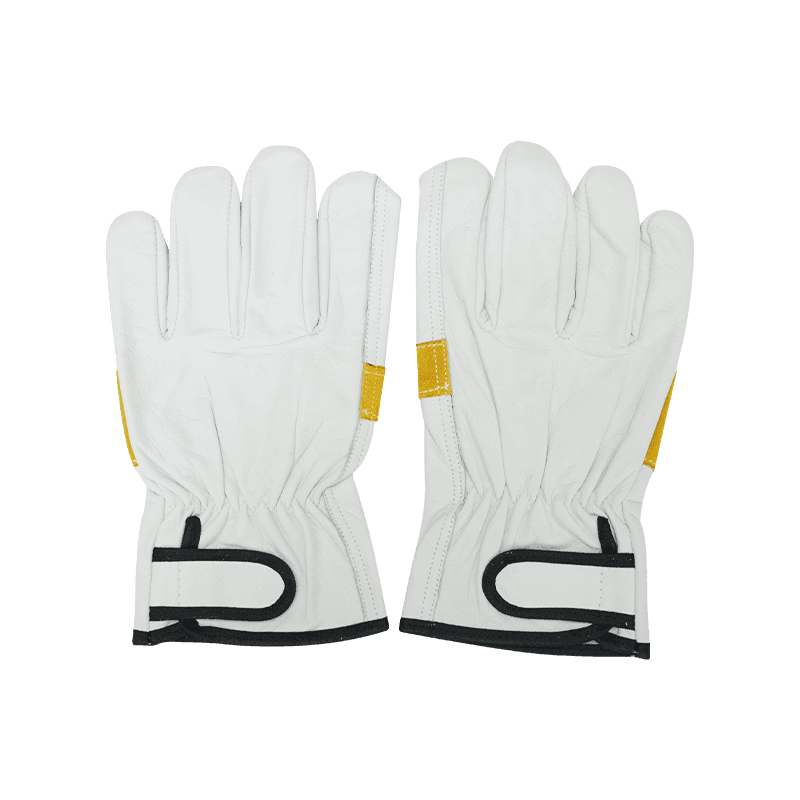
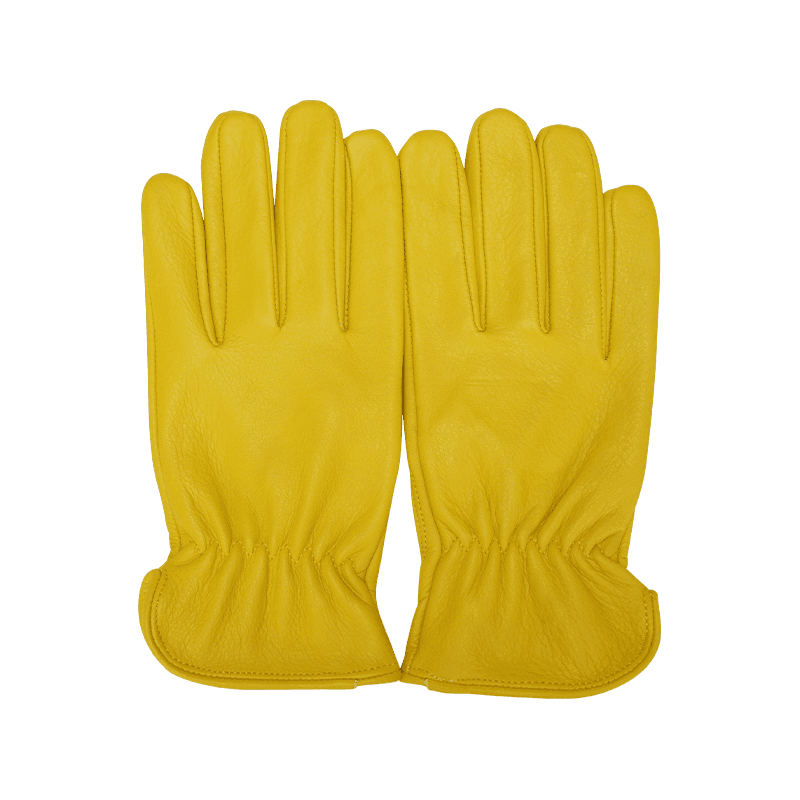
Leather work gloves remain the most common starting point because they offer a balance of abrasion resistance, flexibility, and durability for general labor protection. From this base, manufacturers add features such as cut resistant linings, insulation for winter work gloves waterproof use, or oil and fire resistant treatments to create specialized safety gloves for harsher conditions.
Choosing the best functional gloves starts with identifying the dominant hazard at the work site, whether that is abrasion, cold, heat, or sharp materials. The table below summarizes the core differences among common safety gloves categories used across construction, warehousing, and outdoor maintenance work.
| Glove Type | Main Protection | Typical Use |
|---|---|---|
| General leather driver gloves | Abrasion and grip | Material handling, light assembly |
| Cut resistant gloves | Sharp edge protection | Metal fabrication, glass handling |
| Extreme cold weather work gloves | Insulation and waterproofing | Outdoor winter labor |
| Oil and fire resistant gloves | Chemical and heat barrier | Welding, machinery maintenance |
Welding gloves are typically constructed from thick leather, often reinforced at the palm and thumb, because the material must resist sparks, radiant heat, and brief direct contact with hot metal. Cut resistant gloves used in metal fabrication share a related design logic, since both categories must protect against sharp or hot debris generated during cutting and grinding operations.
Bartack stitching at stress points such as the thumb crotch and fingertips helps prevent seam failure under repeated flexing, which is a common reason lower quality functional gloves men's models wear out faster at the seams than at the leather surface itself.
This horizontal bar chart illustrates how heat resistance generally increases as the material layer becomes thicker and more reinforced, moving from a basic cotton lining up to a reinforced welding palm construction. The chart is intended as a relative comparison rather than a precise laboratory measurement, since actual performance depends on leather thickness, tanning process, and stitching quality. Reinforced welding palm sections, often doubled or tripled in thickness at the high contact zones, provide the strongest barrier against radiant heat and brief spark exposure during cutting or grinding tasks. Full grain leather sits below reinforced palms but still performs well because the tighter fiber structure of the outer hide layer resists scorching better than split leather. Split leather, while still useful for general labor gloves, has a more open fiber structure that transfers heat faster, which is why it is more commonly paired with lighter duty tasks. Reading this chart helps buyers understand why specialized welding gloves are deliberately built with layered, reinforced leather rather than a single uniform material.
Winter work gloves waterproof performance depends on a combination of an outer water resistant shell, an insulating mid layer, and a snug cuff that limits cold air entry at the wrist. Extreme cold weather work gloves are most effective when they balance insulation thickness against dexterity, since gloves that are too bulky reduce grip control on tools and fasteners.
This line chart presents a general trend for insulated leather work gloves, showing how warmth retention naturally declines the longer hands are exposed to cold outdoor conditions. The downward slope reflects the gradual loss of trapped warm air and the effect of moisture buildup inside the glove over extended use. Gloves built with a waterproof outer layer tend to maintain a flatter decline curve because they prevent external moisture from compressing the insulation, which is a key reason waterproof construction matters for true extreme cold weather work gloves. The steepest part of any warmth retention curve usually appears once a worker's hands begin sweating inside the glove, since trapped moisture conducts heat away from the skin faster than dry insulation. This is why breathable lining materials are often paired with waterproof shells rather than fully sealed designs. Understanding this pattern helps explain why periodic glove changes or liner adjustments are commonly recommended during long outdoor shifts in cold climates.
PU microfiber synthetic gloves are often selected for tasks that require lighter weight and finer dexterity, such as precision assembly or light driver gloves use, while leather remains preferred where higher abrasion resistance is the priority. Garden gloves frequently use a synthetic or coated palm because the material resists moisture from soil and plants while remaining flexible for repetitive hand motion.
This radar chart compares leather work gloves against PU microfiber synthetic gloves across five practical attributes commonly considered when selecting safety gloves for daily use. The larger orange outline represents typical leather construction, which scores higher on abrasion resistance, heat resistance, and overall durability due to the natural toughness of the hide material. The smaller lighter shape represents PU microfiber synthetic gloves, which generally score higher on lightweight feel and dexterity because the thinner synthetic material allows for closer fingertip contact and reduced hand fatigue. Neither material is universally superior, since the right choice depends entirely on the dominant task requirement, whether that is heavy abrasion protection or fine motor control. Workers handling rough materials such as lumber, metal sheeting, or masonry generally benefit more from leather, while those performing light assembly or driver gloves tasks may prefer the reduced bulk of synthetic options. This comparison framework can also be applied when evaluating garden gloves, where a blended approach of synthetic palm with breathable back fabric is common.
Understanding how a leather work glove is layered helps explain why certain functional gloves perform better under specific stress conditions than others. The isometric diagram below outlines a simplified cross section of a reinforced leather glove palm.
This isometric style diagram illustrates a simplified layered structure typically found in reinforced leather work gloves, beginning with the outer leather shell that forms the first contact surface against rough materials. Below the outer shell sits a reinforced palm patch, which is added in high wear zones such as the base of the fingers and the heel of the hand to extend the working life of the glove. An inner lining layer follows, which can range from a thin cotton liner for warm weather labor gloves to a thicker insulated liner for extreme cold weather work gloves. The bartack stitched edge shown at the base of the diagram represents the reinforced stitching method used at stress points to prevent seam separation during repetitive gripping motion. Together these layers explain why glove durability is rarely determined by a single material choice, but instead by how the outer shell, reinforcement, lining, and stitching work together under real working conditions. This layered approach is consistent with general hand protection construction principles described in occupational safety equipment guidance.
A practical way to apply this information is to match the glove category to the dominant hazard of a specific task rather than choosing one glove type for all jobs.
Selecting functional gloves men's or unisex models with these task specific features in mind generally leads to longer glove life and more consistent hand protection across a working season.
Nantong Qiji Glove Co., LTD. was founded in 1988 and is located in Rugao City, Jiangsu Province, China, a region close to Shanghai with convenient transportation connections. The company covers an area of 12,000 square meters, employs between 168 and 200 people, and reports annual sales of nearly 100 million RMB, supported by good bank credit standing as a recognized local enterprise.
Starting from original equipment manufacturing, the company has expanded into its own research and development and production lines, now specializing in cut resistant, anti impact, high temperature resistant, waterproof, oil resistant, fire resistant, and cold proof leather work gloves. The factory is equipped with modern multi functional machines including electric sewing machines, ironing machines, chain processing machines, bartack sewing machines, and various embroidering machines, supporting consistent quality across functional gloves for work exported to customers worldwide.
| Q1: What are the four main types of work gloves? The four main types are general purpose leather gloves, cut resistant gloves, extreme cold weather insulated gloves, and oil or fire resistant gloves. |
| Q2: Are PU microfiber synthetic gloves as durable as leather? Synthetic gloves generally offer lighter weight and better dexterity, while leather typically provides stronger abrasion resistance for heavy duty tasks. |
| Q3: What makes winter work gloves waterproof? A water resistant outer shell combined with an insulating lining and a snug wrist cuff helps keep moisture out while retaining warmth. |
| Q4: Why do welding gloves need reinforced palms? Reinforced palms add extra layers of thick leather to better withstand sparks, radiant heat, and brief contact with hot surfaces. |
| Q5: Can the same gloves be used for both gardening and driving tasks? Some lightweight synthetic or leather blend gloves can suit both tasks, though dedicated garden gloves and driver gloves are each optimized for their specific motion and grip needs. |
If you are interested in our products, please consult us