Content
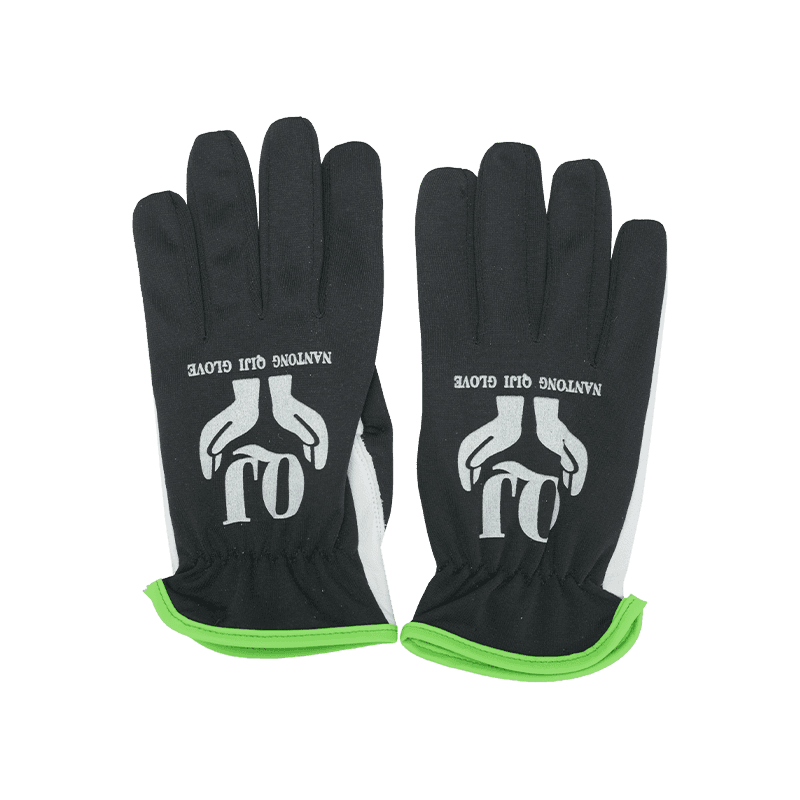
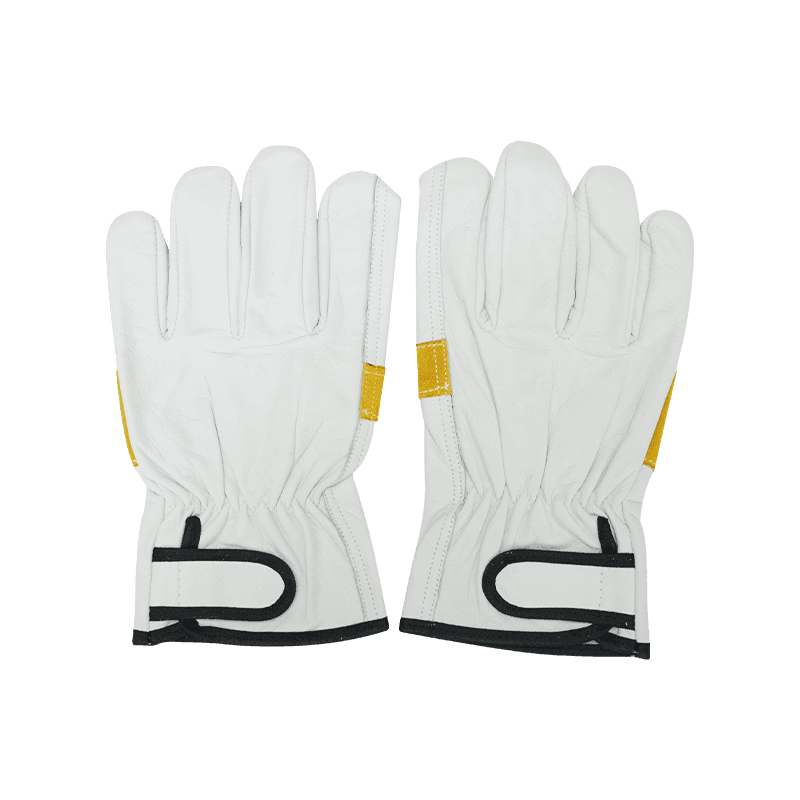
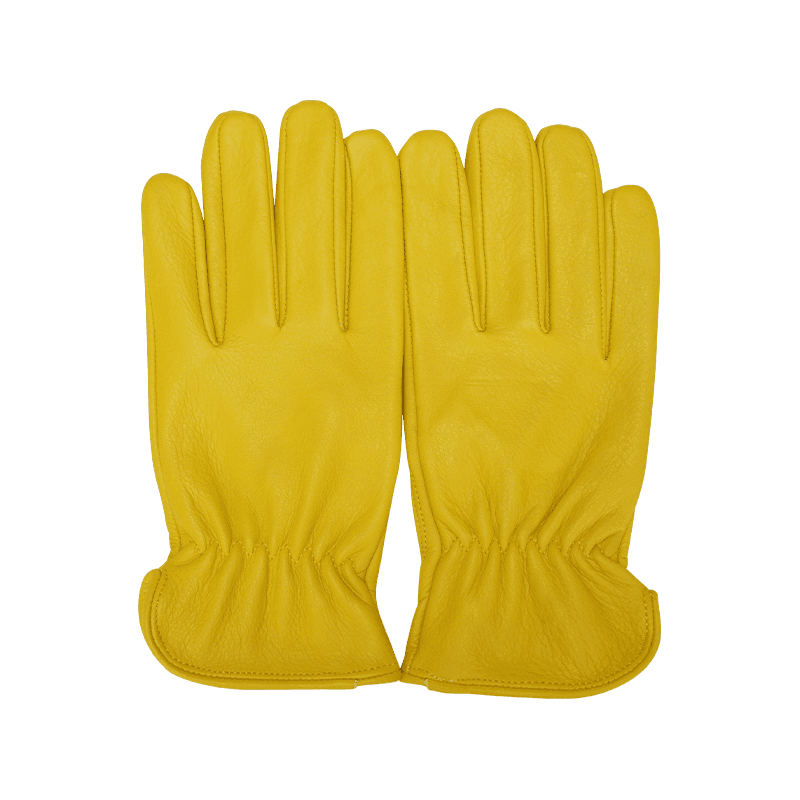
Anti-impact cut-resistant cowhide leather gloves are engineered personal protective equipment (PPE) designed to simultaneously protect workers' hands from two of the most common causes of occupational hand injury: mechanical impacts and sharp-edge lacerations. They are used across heavy industry, construction, oil and gas, mining, automotive manufacturing, and metal fabrication — wherever workers handle sharp materials, operate heavy equipment, or work in environments where crushing or striking hazards exist alongside cut risks.
According to occupational safety data, hand and finger injuries account for approximately 23% of all lost-time workplace injuries globally, with lacerations and crush injuries representing the two largest subcategories. A properly specified pair of anti impact cut resistant work gloves cowhide addresses both risk categories within a single glove — eliminating the need to compromise between dexterity, cut protection, and impact absorption.
Not all leather performs equally in industrial environments. Cowhide is selected by safety glove manufacturers because its combination of fiber density, thickness consistency, and natural abrasion resistance makes it the best-performing natural material for hand protection in heavy-duty applications. Key material properties include:
When combined with cut-resistant liner materials and impact-absorbing TPR (thermoplastic rubber) dorsal padding, cowhide leather gloves for safety deliver a multi-hazard protection profile that synthetic gloves of equivalent thickness cannot match.
A well-engineered anti-impact cut-resistant cowhide glove is not a single-layer product. It integrates three distinct functional layers, each addressing a specific hazard category:
The innermost layer is a knitted cut-resistant liner constructed from high-performance fibers. Common liner materials include HPPE (High-Performance Polyethylene), Dyneema-type fibers, or para-aramid yarns. Liner cut resistance is rated under EN ISO 13997 or ANSI/ISEA 105 standards. Most industrial-grade anti-impact cowhide gloves incorporate a liner rated at ANSI Cut Level A4–A6 or EN Cut Level C–E, capable of withstanding blade forces of 2,000–6,000 grams before the liner is cut through.
The outer shell on the palm side is full-grain or split cowhide leather, typically 1.0–1.5 mm thick, sewn with high-tenacity thread using reinforced seam construction at high-stress points (thumb crotch, index finger base, and palm center). The leather shell provides abrasion protection, grip in oily and wet conditions, and an additional barrier against puncture and laceration over the cut-resistant liner.
The back-of-hand (dorsal) surface carries molded thermoplastic rubber (TPR) padding segments positioned over the knuckles, fingers, and metacarpal area. TPR functions as an energy-absorbing material that deforms on impact, distributing and dissipating the kinetic energy of a striking blow across a larger surface area. This reduces the peak force transmitted to the underlying bone and soft tissue. Impact protection is rated under EN 13594 (motorcycling standard, widely adopted for industrial gloves) or ANSI/ISEA 138, with Level 1 and Level 2 ratings indicating maximum transmitted force thresholds of 7 kN and 4 kN respectively.
| Layer | Material | Hazard Addressed | Relevant Standard |
|---|---|---|---|
| Inner Liner | HPPE / Para-aramid knit | Blade and sharp-edge cuts | ANSI A4–A6 / EN Cut C–E |
| Palm Shell | Full-grain cowhide leather | Abrasion, puncture, laceration | EN 388 Abrasion Level 3–4 |
| Dorsal TPR | Thermoplastic rubber segments | Crush and impact forces | ANSI/ISEA 138 Level 1–2 |
Pipe handling, valve operation, and equipment maintenance in oil and gas facilities expose workers to steel pipe edges, dropped tools, and pinch points between heavy components. Anti impact cut resistant work gloves cowhide are a standard PPE specification in pipeline construction and refinery maintenance, where both cut hazards from metal burrs and impact hazards from dropped equipment are simultaneously present. The cowhide palm also provides grip on oil-contaminated surfaces — a condition where synthetic gloves frequently perform poorly.
Handling sheet metal, structural steel, and fabricated components exposes workers to sharp cut edges, metal shavings, and the risk of crushing between heavy workpieces. Steel service centers and fabrication shops routinely specify cut-resistant cowhide gloves for material handling tasks. A typical steel service center processes several thousand tons of steel monthly, with material handlers making dozens of contact lifts and transfers per shift — each one a potential cut or crush event without appropriate gloves.
Rebar handling, formwork assembly, precast concrete installation, and demolition work all generate simultaneous cut and impact risks. Rebar ends are sharp enough to cause deep lacerations on contact, and the weight of precast elements creates crush risk to fingers caught between components. Cowhide leather gloves for safety in construction applications need to withstand concrete abrasion as well — a requirement that eliminates many lighter-duty synthetic options.
Stamped metal parts, sub-frame components, and body panels in automotive assembly plants have sharp stamped edges and are heavy enough to cause significant crush injuries. Assembly line workers handling these components may perform the same task hundreds of times per shift, making glove durability and sustained dexterity as important as the initial protection level. Cowhide leather's wear resistance gives it a significantly longer effective service life than equivalent synthetic gloves in this application.
Rock face work, drill rig operation, and ore handling expose miners to jagged rock edges, metal drill components, and heavy equipment that creates constant pinch and crush risk. Anti-impact protection is particularly valued in underground mining environments where space constraints increase the likelihood of hand contact with moving machinery or rock surfaces.
Safety glove certifications are defined by test standards that measure actual material performance under controlled conditions. Understanding the key ratings helps buyers and safety managers specify the correct glove for their hazard profile:
| Standard | What It Tests | Relevant Levels | Industrial Benchmark |
|---|---|---|---|
| ANSI/ISEA 105 | Cut resistance (TDM blade) | A1–A9 | A4–A6 for heavy industry |
| EN 388:2016 | Abrasion, cut, tear, puncture | A–F (cut), 1–4 (abrasion) | Cut C–E, Abrasion 3–4 |
| ANSI/ISEA 138 | Impact attenuation (dorsal) | Level 1 (≤7 kN), Level 2 (≤4 kN) | Level 1 minimum for industrial |
| EN 407 | Thermal protection | 1–4 per hazard category | Where heat exposure also present |
A glove marked with both an ANSI cut level and ANSI/ISEA 138 impact rating on its label confirms that both protection layers have been independently tested and verified — not simply claimed by the manufacturer without certification evidence.
Not all anti-impact cut-resistant cowhide gloves are configured identically. Selecting the right product requires matching glove specifications to the actual hazards present in the work environment:
One of the operational advantages of cowhide leather over synthetic palm materials is service life under sustained heavy use. In comparative wear testing in metal fabrication environments, full-grain cowhide gloves consistently outperform synthetic alternatives in abrasion endurance. Practical service life benchmarks under typical heavy-use conditions:
A glove that fails at the palm seam or shows cut-through of the liner before the rest of the glove is worn indicates inadequate seam construction or liner weight for the application. Quality cowhide leather gloves from experienced manufacturers use double or triple-stitched seam construction with high-tenacity polyester thread to ensure that seam failure is not the limiting factor in glove service life.
Nantong Qiji Glove Co., Ltd. was founded in 1988 and is located in Rugao City, Jiangsu Province, China — a city recognized internationally for its quality of life and conveniently positioned near Shanghai with strong transportation links. The company operates across a 12,000 square meter facility with a workforce of 168–200 employees and achieves annual sales of nearly 100 million RMB, backed by strong bank credit and recognition as a local outstanding enterprise.
Starting as an OEM manufacturer, Nantong Qiji has built extensive customer resources over more than three decades and has progressively developed its own research, development, and production lines. The company now specializes in the production and development of all categories of leather work gloves, including anti-impact cut-resistant work gloves cowhide, high-temperature resistant, waterproof, oil-resistant, fire-resistant, and cold-proof leather gloves — serving the full spectrum of industrial hand protection requirements.
The production facility is equipped with modern multi-functional machinery including electric sewing machines, ironing machines, chain-processing machines, bartack sewing machines, and embroidering machines. Adhering to the principles of integrity, quality orientation, and service excellence, Nantong Qiji exports cowhide leather gloves for safety to customers worldwide. The company's commitment to first-class quality and comprehensive service has earned consistent recognition from customers both domestically and internationally. Factory visits are welcomed and new cooperative partnerships are actively encouraged.
Q1: What cut resistance level do I need for metal fabrication work?
For handling stamped metal parts and sheet metal, ANSI Cut Level A4 to A5 (or EN 388 Cut Level C–D) is the standard specification. For steel coil processing or handling of very sharp-edged components, A6 or higher may be required. Always conduct a site-specific hazard assessment to confirm the appropriate level rather than defaulting to the minimum.
Q2: Can cowhide leather gloves be used in wet or oily conditions?
Yes, with the correct leather finish. Roughout (suede-side out) cowhide provides better wet grip than smooth-grain leather due to its open fiber surface texture. For oil-immersed environments, some cowhide gloves incorporate an oil-resistant treatment or synthetic palm reinforcement in the highest-wear zones. Confirm the specific application with the glove manufacturer before specifying.
Q3: How do I know if the impact protection rating on a glove is genuinely certified?
Request the test report from an accredited third-party laboratory (such as SGS, Bureau Veritas, or Intertek) that confirms ANSI/ISEA 138 Level 1 or Level 2 compliance for the specific glove model. The test report should include the test date, sample identification, and the measured transmitted force values. Label claims without supporting test documentation cannot be independently verified.
Q4: How should anti-impact cut-resistant cowhide gloves be maintained to extend service life?
Inspect gloves before each use for cuts, tears, or areas of thinned leather — any of these indicate compromised protection and the glove should be replaced. Keep leather gloves away from prolonged immersion in water, which degrades leather fiber structure. Light conditioning with a leather-compatible treatment can extend glove pliability in dry environments. Never use damaged gloves for protection-critical tasks regardless of remaining apparent material thickness.
Q5: What is the difference between full-grain and split cowhide leather in safety gloves?
Full-grain cowhide uses the outermost layer of the hide, which retains the tightest fiber structure and delivers the highest strength, abrasion resistance, and durability. Split cowhide is taken from lower layers of the hide after the grain layer is separated — it is softer and more pliable but has lower tensile strength and abrasion resistance. Full-grain is preferred for heavy industrial safety gloves; split cowhide may be used in lighter-duty or dexterity-critical applications.
Q6: Are anti-impact cut-resistant cowhide gloves available for custom OEM production?
Yes. Established leather glove manufacturers with OEM experience can produce gloves to buyer-specified cut resistance levels, TPR impact protection configurations, cuff styles, branding, and packaging. Custom OEM production typically requires a minimum order quantity and a sample approval process before full production. Buyers should provide detailed technical specifications and, where possible, reference samples to ensure the manufactured product meets the intended hazard protection level.
If you are interested in our products, please consult us