


 English
 Français
How to Choose The Best Garden Gloves?
The best garden gloves for most people are fitted, breathable, and task-specific: a pair of nitrile-coated gloves for general weeding and planting, plus a reinforced leather pair for pruning and heavy digging. Buying one universal glove rarely works well — the right choice depends on the type of work, the materials used, and how well the glove fits your hand.
This guide walks you through every key factor so you can make a confident, informed decision before you buy.
Content
- 1 Know What You'll Be Using Them For
- 2 Compare Glove Materials Side by Side
- 3 Fit and Sizing Matter More Than Most Gardeners Realize
- 4 Check Cuff Length for Added Protection
- 5 Grip and Coating: What to Look for on the Palm
- 6 Breathability and Seasonal Considerations
- 7 Durability and Stitching: How to Spot a Well-Made Glove
- 8 Special Features Worth Paying Attention To
- 9 A Simple Decision Guide: Match Your Glove to Your Garden
- 10 How to Care for Garden Gloves to Maximize Their Lifespan
Know What You'll Be Using Them For
Garden gloves are not one-size-fits-all in purpose. Before looking at materials or brands, identify your primary gardening tasks, because the wrong glove for the job will wear out faster, cause fatigue, or even lead to injury.
Common Tasks and What They Demand
- Weeding and planting seedlings: You need dexterity and a snug fit. Thin gloves with grip coating work best here.
- Pruning roses or thorny shrubs: Extended cuff gloves with puncture-resistant palms are essential.
- Digging and moving soil: Heavy-duty gloves with reinforced fingertips hold up to abrasion.
- Handling chemicals or fertilizers: Waterproof, chemical-resistant gloves (nitrile or rubber) are a must.
- General light work: Lightweight cotton or bamboo gloves offer comfort without overheating.
If you do a mix of these tasks, consider owning two pairs — one lightweight for delicate work, one reinforced for heavy-duty jobs.
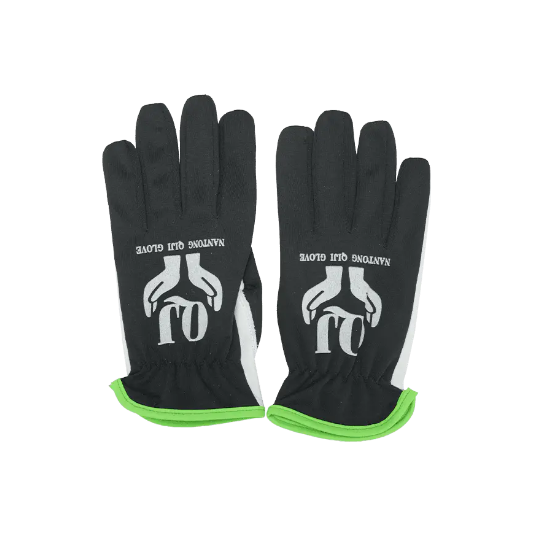
Compare Glove Materials Side by Side
Material is the single most important factor in glove performance. Here is how the most common materials compare across key attributes:
| Material | Durability | Breathability | Waterproof | Dexterity | Best For |
|---|---|---|---|---|---|
| Leather | ***** | *** | No | *** | Pruning, digging, heavy work |
| Nitrile-coated | **** | *** | Yes (palm) | **** | Weeding, soil handling, chemicals |
| Cotton / Jersey | ** | ***** | No | **** | Light tasks, warm weather |
| Rubber / Latex | *** | * | Yes (fully) | ** | Wet conditions, fertilizers |
| Bamboo / Synthetic | *** | ***** | No | ***** | Planting, transplanting, precision tasks |
Leather remains the gold standard for durability, but nitrile-coated gloves offer the best balance of protection, grip, and dexterity for everyday gardening tasks.
Fit and Sizing Matter More Than Most Gardeners Realize
A glove that is too large causes bunching at the fingertips, reducing grip and control. One that is too tight restricts blood flow and causes fatigue. Studies on occupational hand protection show that ill-fitting gloves are one of the top causes of hand strain during repetitive tasks — and gardening is no exception.
How to Measure Your Hand for Gloves
- Wrap a flexible tape measure around your dominant hand at the widest part (across the knuckles, excluding the thumb).
- Note the measurement in inches. This is your glove size: 7" = Small, 8" = Medium, 9" = Large, 10"+ = XL.
- If you are between sizes, size up for leather (it stiffens when new) and size down for stretchy materials like bamboo.
Many gloves are also available in women's cuts, which feature a narrower palm and shorter finger length — a better fit for smaller hands and a significant improvement in control during fine work like planting or transplanting seedlings.
Check Cuff Length for Added Protection
The cuff — the part that extends past the wrist — is often overlooked but plays a major protective role. There are three main cuff styles:
- Short cuff (wrist-length): Maximum ventilation and flexibility. Suitable for light work in warm weather.
- Mid cuff (extends 2–3 inches past the wrist): A good balance between protection and mobility. Useful for general gardening.
- Extended gauntlet cuff (4–8 inches past the wrist): Protects the forearm from thorns, insects, and abrasion. Essential for pruning roses, blackberries, or other thorny plants.
If you grow roses, climbing plants, or cacti, a gauntlet-style cuff is non-negotiable. Thorn punctures to the forearm are among the most common minor injuries in home gardening.
Grip and Coating: What to Look for on the Palm
The palm coating determines how well you can grip tools and handle wet or muddy objects. Poor grip forces you to over-grip, which leads to faster fatigue and reduced control.
Palm Coating Options
- Nitrile dots or full palm coating: Excellent grip in both wet and dry conditions. One of the most practical choices for everyday use.
- Latex coating: Strong grip but less breathable. Works well in wet environments but causes sweating during prolonged wear.
- Uncoated (leather or fabric): Natural grip from the texture of the material. Less reliable in wet conditions but more comfortable over long sessions.
Look for gloves with fingertip sensitivity — the coating should not be so thick that you lose the ability to feel what you are handling. For planting work especially, thinner coatings give you much better tactile feedback.
Breathability and Seasonal Considerations
Sweaty hands inside non-breathable gloves are not just uncomfortable — they increase the risk of blisters and reduce your grip on tools. Breathability becomes critical when working for more than 30 minutes at a stretch, especially in warm climates.
A practical seasonal approach:
- Spring and summer: Prioritize breathable fabrics like cotton, bamboo, or thin synthetic blends. These prevent heat buildup during long sessions.
- Autumn: A mid-weight glove with some water resistance works well, as soil tends to be wetter and conditions cooler.
- Winter: Insulated gloves or a double-layer system (thin inner glove + waterproof outer glove) keeps hands warm while maintaining some flexibility.
Durability and Stitching: How to Spot a Well-Made Glove
Not all gloves are constructed equally. Weak stitching or thin materials at high-stress points — the thumb crotch, fingertips, and palm — are the first places a poor-quality glove fails. Reinforced double-stitching at these points is a reliable indicator of a more durable product.
What to Inspect Before Buying
- Look for even, tight stitching with no loose threads around the finger seams.
- Check whether seams are sewn on the outside (less abrasion on skin) or inside (cleaner look but can cause irritation over time).
- Test the elasticity of the wrist band — it should snap back firmly and hold the glove in place without cutting into the wrist.
- For leather gloves, check that the material is supple and consistent — stiff patches or uneven thickness indicate lower-grade leather.
A well-made pair of leather gardening gloves, with proper care (cleaning and occasional conditioning), can last 3 to 5 seasons of regular use. Cheaper, uncoated cotton gloves may need replacing after just a few months of heavy use.
Special Features Worth Paying Attention To
Beyond the basics, some design features meaningfully improve the gardening experience. These are not gimmicks — they solve real problems that frequent gardeners encounter.
- Touchscreen-compatible fingertips: Useful if you use a phone or tablet for plant identification apps or garden planning while working. Prevents the need to remove gloves constantly.
- Adjustable wrist closure: Velcro or drawstring closures prevent debris from entering the glove and help maintain a secure fit.
- Machine washable construction: Fabric and synthetic gloves that can be washed regularly stay hygienic and last longer. Always check care labels before buying.
- Clawed fingertips: Some gloves include small plastic claws at the fingertips for digging and raking without a separate tool — a practical feature for container gardeners or those doing light bed preparation.
A Simple Decision Guide: Match Your Glove to Your Garden
Use this quick reference to match your primary gardening activity to the right glove type:
| Task | Recommended Material | Cuff Style | Key Feature |
|---|---|---|---|
| Weeding | Nitrile-coated | Short or mid | Grip + dexterity |
| Pruning thorny plants | Leather | Gauntlet (4–8 in) | Puncture resistance |
| Planting / transplanting | Bamboo / thin synthetic | Short | Fingertip sensitivity |
| Digging / moving soil | Leather or heavy nitrile | Mid | Reinforced fingertips |
| Handling chemicals | Rubber / latex | Mid or extended | Full waterproofing |
| Light summer work | Cotton | Short | Breathability |
How to Care for Garden Gloves to Maximize Their Lifespan
Even the best gloves deteriorate quickly without basic maintenance. A few simple habits can double or triple the working life of your gloves.
- Dry leather gloves naturally after use — never near a direct heat source, which causes cracking. Condition them with a leather balm every few weeks if used frequently.
- Wash fabric and synthetic gloves after every few uses to remove soil, bacteria, and plant residue. Most can go in a mesh laundry bag on a gentle cycle.
- Store gloves flat or hanging, not crumpled at the bottom of a bag. Crumpling weakens the stitching at fold points over time.
- Inspect regularly for small holes or seam separations — catching these early prevents them from becoming full tears that render the glove unsafe.
Replace gloves immediately if the palm coating has worn through or the fingertips are thinning — continued use at this stage offers almost no protection and increases injury risk.
 +86-0513-68163373
Product Category
Related Products
If you are interested in our products, please consult us
Contact Details
- Address: No.99 West Dingxin Road, Dingyan Town, Rugao, Jiangsu, 226500, China
- Fax: +86-0513-88568360
- Tel: +86-0513-68163373
- Email: [email protected]
[email protected]
Products
Quick Link
News Center
Mobile terminal
