


 English
 Français
News
Home / News / Industry News / How to Keep Hands From Sweating in Nitrile Gloves: Practical Fixes for Long Shifts

A quality inspector on a food packaging line wears nitrile gloves for two hours straight. By the end of the first hour, her fingertips are pruned, her grip is slipping on sealed pouches, and she has already changed gloves twice. The problem is not the gloves themselves. The problem is that nitrile creates a sealed microclimate: heat cannot escape, moisture cannot evaporate, and the hand keeps producing sweat as if it were still exposed to air. If you need to know how to keep hands from sweating in nitrile gloves, the short answer is to treat sweat as a systems problem rather than a glove-only problem. You need to control what goes on before the glove, what sits between the skin and the glove, how long the glove stays on, and which nitrile specification you choose.
The most reliable order of fixes is simple: start with dry, clean hands; choose the right size and thickness; add a moisture-wicking liner for shifts longer than 30 to 45 minutes; use an antiperspirant routine when sweating is heavy; and change gloves before moisture turns into maceration and grip loss. Everything else, including powders, cooling sprays, and specialty coatings, is secondary. This article explains why nitrile traps sweat, how different glove features change the experience, how to build a practical routine for industrial and clinical work, and where leather work gloves from a specialized safety glove manufacturer can solve problems that disposable nitrile cannot.
Content
Nitrile is a synthetic rubber with excellent chemical resistance, puncture resistance, and barrier performance. Those same properties explain the sweat problem. Nitrile is not breathable in the way a knit or leather glove is. It allows almost no water vapor transmission, so when the hand produces sweat, that moisture has nowhere to go. It stays against the skin, warms up, and creates a humid layer inside the glove.
Human hands have a high density of eccrine sweat glands, especially on the palms and fingers. These glands respond to heat, stress, physical effort, and even the simple awareness of wearing gloves. In a sealed glove, the normal cooling cycle breaks down. Sweat cannot evaporate, so the skin stays wet. The wet skin softens, loses friction, and becomes more vulnerable to chafing and irritation. In warm rooms, near ovens, under welding screens, or during repetitive assembly work, the effect accelerates. A worker may feel dry for the first ten minutes, then damp at twenty minutes, and fully uncomfortable by forty minutes.
The type of nitrile matters, but not in the way many buyers expect. A thicker glove, such as a 6 mil or 8 mil nitrile, offers better tear resistance and chemical protection, but it also traps more heat and feels stiffer. A thinner 2 mil or 3 mil glove feels cooler and more sensitive, but it can tear faster and may not be suitable for harsh tasks. Powdered gloves can absorb a small amount of moisture, but powder is restricted in many cleanrooms, food areas, and medical settings. Powder-free gloves avoid contamination, yet they offer no absorbency. Chlorinated or polymer-lined gloves can feel smoother, but they do not solve sweat unless the glove is changed often or worn with a liner.
Another factor is glove fit. A glove that is too tight restricts airflow and presses the skin, increasing heat and sweat. A glove that is too loose allows folds and movement, which can cause friction and irritation. A correct fit leaves a small amount of space at the fingertips and across the palm, but not so much that the material bunches. For sweaty hands, fit is not a comfort detail. It is a performance variable that affects grip, dexterity, and wear time.
If you want fewer sweat problems, start five minutes before you glove up. Wash your hands with cool or lukewarm water and a mild soap. Hot water raises skin temperature and can trigger more sweating. Dry your hands completely, including between the fingers and around the nail beds. Even a small amount of trapped moisture will spread inside the glove. If you are in a clinical or food-handling environment, use the approved hand hygiene protocol, then make sure the skin is dry before donning.
For heavy sweaters, an antiperspirant routine can make a measurable difference. Products containing aluminum chloride or aluminum zirconium can temporarily reduce sweat production when applied to dry palms at night or at least 30 minutes before work. Do not apply a wet antiperspirant and immediately put on nitrile gloves; the moisture and active ingredients can cause irritation or leave residue. Some workers prefer a light dusting of cornstarch-based powder, but check your workplace rules first. In food, pharmaceutical, cleanroom, and healthcare settings, powder may be prohibited because it can contaminate products or wounds.
Moisturizing is a balance. Dry, cracked skin can become irritated inside a glove, but heavy lotions create a slippery, wet layer. If you use lotion, choose a fast-absorbing, fragrance-free product and apply it well before the shift, not right before gloving. Avoid oil-based barrier creams under nitrile unless your safety manager approves them, because some oils can degrade certain glove materials or leave residues that affect grip.
A simple pre-glove checklist helps teams stay consistent:
Not every nitrile glove behaves the same way on a sweaty hand. Thickness, surface texture, lining, powder status, and chemical accelerators all influence comfort. The goal is not to find a glove that stops sweat. The goal is to find a glove that manages sweat long enough for the task while preserving safety and grip.
Thin gloves, usually 2 mil to 4 mil, feel cooler and allow better touch sensitivity, which helps workers notice moisture early. Medium gloves, around 5 mil to 6 mil, balance durability and comfort for general industrial work. Heavy gloves, 8 mil and above, are best for chemical handling, heavy-duty cleaning, and tasks where tear resistance matters more than breathability. For sweaty hands, a thinner glove plus a liner is often more comfortable than a thick glove alone, as long as the thinner glove still meets the required protection level.
Textured fingertips and palms improve wet grip. A raised diamond or fish-scale texture channels moisture away from the contact surface, so the glove does not slide as easily when the hand becomes damp. This is particularly important in food processing, laboratory work, and handling small parts. Powder-free gloves are the default for regulated environments, but they require a liner or frequent changes when sweat is heavy. Chlorinated gloves can feel softer and easier to don, but chlorination does not absorb sweat. Accelerator-free nitrile can help workers who develop irritation from residual chemicals, but it does not directly reduce sweat volume.
Use the table below to compare common nitrile features and their practical effect on sweaty hands.
| Glove feature | Effect on sweat and comfort | Best use case | Watch-outs |
|---|---|---|---|
| 2–3 mil thickness | Feels cooler, better dexterity, less heat buildup | Food prep, inspection, short clinical tasks | Lower tear resistance; change more often |
| 5–6 mil thickness | Balanced durability and comfort; moderate heat retention | General assembly, lab, maintenance | Can become uncomfortable after 45 minutes without liner |
| 8 mil and above | High durability, high heat retention | Chemical handling, heavy cleaning | Poor choice for long shifts without liner or breaks |
| Textured fingertips | Improves wet grip, helps manage slippery moisture | Food processing, small parts handling | Texture does not reduce sweat volume |
| Powder-free | No powder residue; no absorbency | Cleanrooms, healthcare, food areas | Requires liner or frequent changes for heavy sweaters |
| Chlorinated interior | Softer feel, easier donning | High-turnover environments | Does not absorb moisture; may feel slick when wet |
| Accelerator-free | Reduces chemical irritation risk | Workers with sensitive skin | Not a sweat-control feature |
When work requires more than 30 to 45 minutes of continuous glove wear, a liner is usually the most effective solution. A liner sits between the skin and the nitrile glove. It absorbs or wicks sweat away from the palm, reduces direct skin-to-rubber contact, and makes the glove easier to remove and replace. The best liner for most sweaty-hand applications is a thin, low-lint, moisture-wicking fabric such as nylon or a nylon-cotton blend. Cotton is absorbent and soft, but it can stay wet and may be less durable after repeated washing. Nylon dries faster and feels cooler under nitrile.
Full-finger liners provide complete coverage and work well under standard nitrile gloves. Half-finger liners improve fingertip dexterity and reduce bulk, but they leave the fingertips exposed to sweat and direct glove contact. For electronics assembly, fine inspection, or tasks where touch sensitivity is critical, half-finger liners can be a good compromise. For food handling, healthcare, and cleanroom work, check whether liners are permitted and whether they must be disposable or laundered to a specific standard.
Liner thickness matters. A liner that is too thick can make the nitrile glove fit too tightly, reducing circulation and increasing heat. A liner that is too thin may bunch or twist. Look for liners that are seamless, have a snug but not compressive fit, and stay in place during repeated hand movements. Reusable liners should be washed according to the manufacturer’s instructions and replaced when they lose shape, develop holes, or become stiff.
Some suppliers offer sweat-absorbing nitrile gloves with a flocked or moisture-wicking interior. These can be convenient, but they are not a universal replacement for a separate liner. Flocked interiors may shed fibers, may not be allowed in cleanrooms, and may add cost. If your team needs a simple, scalable solution, separate liners usually offer more flexibility because you can match liner type to task, laundering capacity, and budget.
Building a routine is more effective than relying on willpower. The following workflow is designed for industrial, laboratory, food, and healthcare teams that wear nitrile gloves for extended periods. Adjust the timing to your environment and task risk.
Teams that standardize this routine usually see fewer glove changes caused by discomfort, better grip, and fewer skin complaints. The routine also makes it easier to train new workers because the steps are visible and repeatable.
To compare practical options, think about what happens over a typical four-hour shift. Sweat production is not constant. It rises with room temperature, physical effort, stress, and time under the glove. A worker who starts dry may feel fine at 15 minutes, uncomfortable at 40 minutes, and fully saturated by 90 minutes. That timeline explains why single fixes often fail. A powder may help for a short task but disappear under heavy sweat. A thicker glove may protect the hand but raise heat. A liner can absorb moisture, but if it is not changed or washed, it becomes a wet layer itself. The chart below ranks common interventions by how much they improve perceived dryness and grip during real work shifts. The values are relative practice scores based on common field feedback, not laboratory measurements. Use them as a planning guide, not as a certified performance rating.
Relative practice score for perceived dryness and grip during a four-hour shift. Higher is better.
The chart shows a clear pattern: the strongest improvements come from changing what touches the skin and how long the glove stays on. A moisture-wicking liner scores highest because it addresses both moisture and friction. It absorbs sweat, creates a soft boundary, and allows the outer nitrile glove to slide on and off without pulling at damp skin. The second strongest combination is correct sizing with a thinner nitrile glove. This does not absorb sweat, but it reduces heat buildup and improves dexterity, which helps workers notice moisture earlier and adjust before grip fails.
The antiperspirant routine ranks third. It works best when applied consistently before the shift, not as an emergency measure after sweating starts. It is especially useful for workers with hyperhidrosis or those in warm, high-stress environments. Changing gloves every 30 minutes ranks fourth. It is simple and effective, but it increases glove consumption, so it may not be the most economical choice for every task. Textured fingertips rank in the middle. They improve wet grip but do not reduce sweat volume, so they are a supplement rather than a primary solution. Powder alone scores low because it can clump, lose effectiveness, and is restricted in many workplaces. No intervention scores lowest, which reflects the common experience of maceration, slipping, and frequent glove changes.
The practical takeaway is not to chase one perfect glove. Instead, combine the top three or four interventions according to task risk, budget, and workplace rules. In a food plant, a liner may be the best option if it is approved. In a cleanroom, a thin nitrile glove with strict change intervals and pre-dried hands may be more appropriate. In a hot foundry or welding environment, nitrile may not be the right primary glove at all; a leather work glove with a moisture-managing liner may be safer and more comfortable. The chart is a conversation tool for safety managers, purchasers, and workers who need to compare options without pretending that one product solves every sweaty-hand problem.
Many sweat problems are created by small habits that seem harmless. The most common mistake is wearing the same pair of nitrile gloves until they fail. Nitrile is not designed to absorb sweat. Once moisture builds up, the glove becomes a wet chamber, and grip, comfort, and skin health decline quickly. Another mistake is choosing a glove that is too tight because it feels more secure. A tight glove restricts movement, increases heat, and can reduce circulation, which makes hands feel hotter and sweatier.
Using too much lotion or barrier cream is another frequent error. Heavy lotions trap moisture and create a slippery surface inside the glove. Oil-based products can also weaken some glove materials or leave residues that affect food safety and product quality. Applying antiperspirant right before gloving is also less effective and can cause irritation. It is better to apply it to dry skin at night or at least 30 minutes before the shift.
Reusing disposable nitrile gloves is a mistake for both hygiene and comfort. Disposable gloves are not designed for repeated donning and doffing. They stretch, develop micro-tears, and accumulate sweat and bacteria. Reusable liners, by contrast, can be washed and reused if the workplace allows them. But liners must be cleaned regularly. A damp, unwashed liner can be worse than no liner because it holds moisture against the skin.
Ignoring room conditions is another hidden cause. Fans, air conditioning, and local exhaust ventilation can reduce heat and humidity around the workstation. Simple changes such as moving a fan closer, rotating tasks, or adding short glove-free breaks can lower sweat production. In hot environments, cooling vests, wrist wraps, and scheduled hydration breaks also help. These measures are not glove features, but they change the conditions that make nitrile gloves uncomfortable.
Nitrile gloves are excellent for barrier protection, but they are not the best choice for every task. In welding, metal handling, forestry, heavy gardening, and some construction work, the primary risk may be cut, impact, heat, abrasion, or cold rather than biological or chemical contact. In those cases, a leather work glove may be more appropriate, and sweat management still matters. Leather is more breathable than nitrile, but it can still become hot and damp during long shifts, especially when the glove is lined or waterproofed.
Nantong Qiji Glove Co., Ltd. is a safety glove manufacturer based in Rugao, Jiangsu, China, near Shanghai. Since 1988, the company has produced leather work gloves for global buyers, including functional gloves, welding gloves, garden gloves, driver gloves, safety gloves, and PU microfiber synthetic gloves. For industrial buyers, distributors, and wholesalers, the company operates as a direct supplier with OEM and ODM experience. Its product range includes cowhide, goatskin, sheepskin, pigskin, and microfiber synthetic leather, with features such as cut resistance, impact protection, heat resistance, water and oil repellency, flame retardancy, cold resistance, arc protection, and touchscreen compatibility.
For tasks where nitrile is not the right barrier, these leather options can be paired with moisture-wicking liners to manage sweat while delivering mechanical protection. The anti-impact cut-resistant cowhide leather gloves are designed for heavy handling, metal work, and maintenance tasks where impact and cut risks are present. The waterproof oil-resistant cold-resistant cowhide leather gloves are useful in cold, oily, or wet environments where a nitrile disposable would offer too little durability or thermal protection. The goatskin work gloves from the safety glove line provide a softer feel and good dexterity for general handling, gardening, and light industrial work.
These leather gloves do not replace nitrile in food, medical, or cleanroom settings. They are complementary products for industrial buyers who need a broader safety glove program. If your team is comparing disposable nitrile with reusable leather, the decision should be based on hazard assessment, task duration, dexterity requirements, and hygiene rules. For buyers sourcing from a glove manufacturer, it also helps to discuss liner compatibility, sizing, and sweat management as part of the specification, not as an afterthought.
 Waterproof Oil-Resistant Cold-Resistant Cowhide Leather Work GlovesReusable cowhide work gloves designed for cold, wet, or oily industrial tasks, with padded warmth, shock-absorbing back and fingers, and cut-resistant interior materials for broader safety glove programs.View Product →
Another practical consideration is hand fatigue. A glove that fits well and manages moisture can reduce the need to grip harder, which improves endurance and lowers the risk of drops and errors. The company has published notes on reducing hand fatigue and improving work efficiency, which reflects a common industrial concern: comfort is not a luxury, it is part of safe production. For international wholesalers and safety distributors, combining disposable nitrile for hygiene tasks with leather work gloves for heavy tasks can create a more complete product offering.
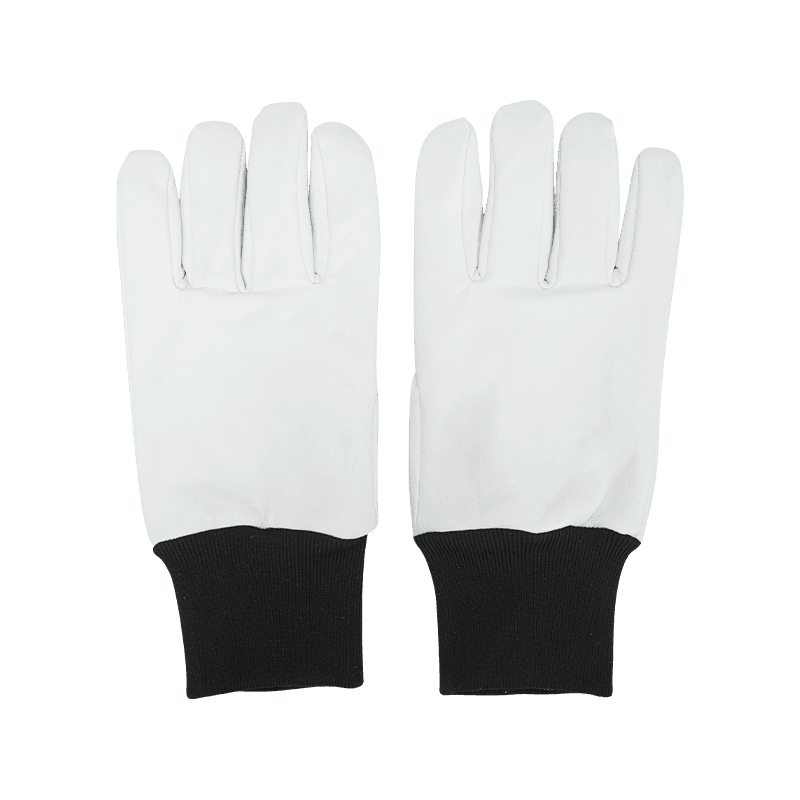 Goatskin Work Gloves for Durability, Comfort, and DexterityGoatskin work gloves offering durability, comfort, and dexterity for reusable industrial and handicraft tasks; proper cleaning and drying helps maintain sweat control and softness.View Product →
If you use reusable liners or leather work gloves, maintenance has a direct effect on sweat control. A liner that is washed and dried correctly stays soft, absorbs moisture evenly, and does not develop odors. A liner that is left damp or washed with harsh chemicals can stiffen, shrink, or lose its wicking ability. Follow the liner manufacturer’s care instructions. In general, wash with mild detergent, avoid fabric softener, and dry completely before reuse. Fabric softener can coat the fibers and reduce absorbency.
For leather work gloves, keep the leather clean and conditioned according to the manufacturer’s recommendations. Leather that becomes stiff or cracked can create pressure points and reduce comfort. If the glove has a moisture-wicking lining, allow it to dry fully between shifts. Do not force-dry leather with high heat, because it can shrink or damage the material. Rotate between two pairs if possible, so each pair has time to dry.
For nitrile gloves, the maintenance rule is simple: they are disposable. Do not wash and reuse them unless the manufacturer explicitly states that they are reusable and your workplace risk assessment permits it. In most industrial, food, and medical settings, disposable nitrile gloves are single-use. If sweat is heavy, change the glove rather than trying to dry it out. For reusable liners, keep a sufficient inventory so workers can change a damp liner without waiting for laundry.
Documenting the routine helps with compliance and purchasing. A simple log can track glove type, liner type, change frequency, and skin complaints. Over time, this data shows whether a different thickness, size, or liner material reduces problems. It also helps safety managers justify the cost of liners or higher-quality gloves if the change reduces waste, improves grip, and lowers injury risk.
Start with dry, clean hands and a correctly sized glove. For shifts longer than 30 to 45 minutes, wear a thin moisture-wicking liner under the nitrile glove. Use an antiperspirant routine before the shift if sweating is heavy, and change gloves before moisture becomes uncomfortable. Keep spare liners and gloves within reach so you can refresh without leaving the workstation for long.
Some nitrile gloves have flocked or moisture-wicking interiors that improve comfort for short to medium tasks. They can help, but they are not a complete solution for heavy sweaters or very long shifts. A separate liner often provides better absorbency, easier laundering, and more flexibility across tasks. Check workplace rules, because flocked interiors may shed fibers and may not be allowed in cleanrooms or some food areas.
Yes, if your skin tolerates it and your workplace allows it. Apply to dry palms at night or at least 30 minutes before the shift. Do not apply it right before donning gloves, because wet antiperspirant can cause irritation and leave residue. If you have sensitive skin or a history of contact dermatitis, consult a healthcare professional or occupational health advisor first.
Cotton is soft and absorbent, but it can stay damp and may feel heavy. Nylon is lightweight, low-lint, and dries faster, which makes it a better choice for many industrial and laboratory settings. A nylon-cotton blend can offer a balance of absorbency and drying speed. The best choice depends on task duration, laundering capacity, and whether the workplace permits reusable liners.
If protection requirements allow, a thinner glove in the 2 mil to 4 mil range feels cooler and improves dexterity. For general work, a 5 mil to 6 mil glove offers better durability but retains more heat. Heavy 8 mil gloves are usually not comfortable for long shifts without a liner or frequent breaks. Always confirm that the thinner glove meets the chemical, puncture, and tear protection needed for the task.
Powder-free gloves have no absorbent powder layer, so sweat stays against the skin. Powdered gloves can absorb a small amount of moisture, but powder is restricted in many healthcare, food, and cleanroom environments. The better solution for powder-free gloves is a moisture-wicking liner, correct fit, and planned glove changes.
For heavy sweating, change gloves every 20 to 30 minutes if the task allows. For moderate sweating, 30 to 45 minutes is a practical outer limit. If the glove feels slippery, the skin looks wrinkled, or grip is reduced, change immediately. Frequent changes are safer than waiting for discomfort to become a hazard.
Only if the lotion is fast-absorbing, fragrance-free, and approved for your workplace. Heavy or oil-based lotions can create a slippery layer, weaken some glove materials, and leave residues. Apply lotion well before the shift, allow it to absorb, and make sure hands are dry before donning nitrile gloves.
If you are responsible for purchasing nitrile gloves or managing a team that wears them, treat sweat as a legitimate performance issue. It affects grip, skin health, glove consumption, and worker comfort. Start by auditing the tasks: how long do workers wear gloves, what chemicals or biological hazards are present, how hot is the environment, and what dexterity is required? Then choose a nitrile specification that meets the protection level without unnecessary thickness. Add a moisture-wicking liner option for long shifts and provide clear guidance on when to change gloves.
For international buyers and distributors, working with an experienced glove manufacturer can simplify the process. A supplier that understands both disposable nitrile and reusable leather work gloves can help you build a complete hand protection program rather than a single-product catalog. Whether you need nitrile for hygiene tasks or leather gloves for heavy industrial work, the same principle applies: match the glove to the hazard, then manage sweat with fit, liners, and change intervals.
Finally, involve workers in the decision. The best glove on paper may fail on the floor if it feels hot, fits poorly, or is difficult to change. Trial a few options, collect feedback, and measure glove usage and skin complaints. Small adjustments, such as a different liner material or a half-size change, often produce better results than switching to a completely different brand. The goal is not zero sweat, which is unrealistic inside a sealed barrier. The goal is a dry-enough, safe, and productive hand environment for the full shift.
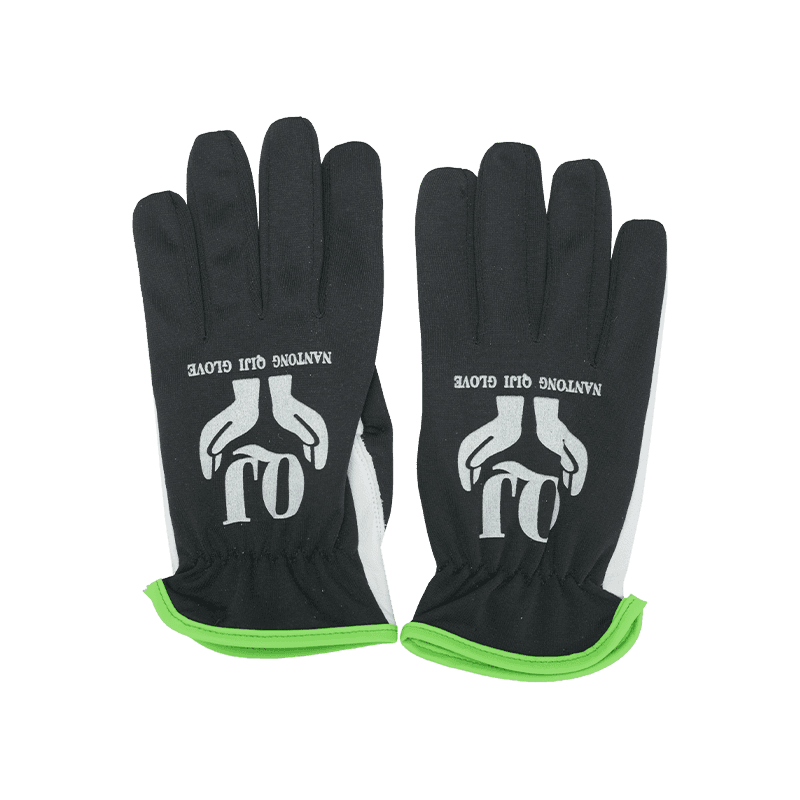
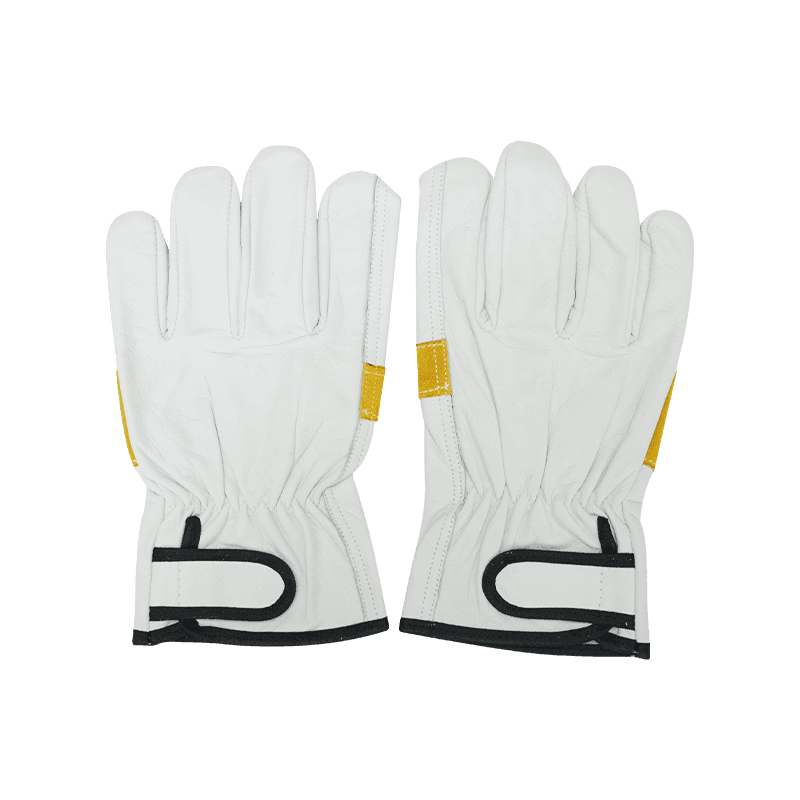
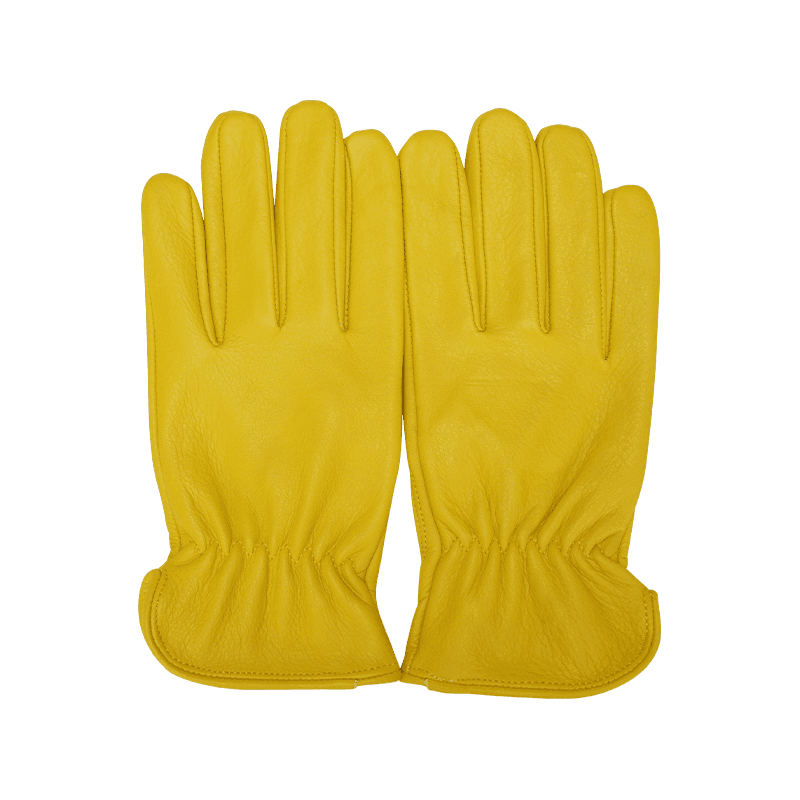
If you are interested in our products, please consult us
 +86-0513-68163373