


 English
 Français
How to Find the Right Gloves for Every Work Environment?
Choosing the right work gloves not only improves work efficiency but also effectively protects hands from injury in various work environments. Different industries and work scenarios have different requirements for glove protection, comfort, and durability, so understanding glove materials and functions is key. Whether it's abrasion-resistant gloves on construction sites, chemical-resistant gloves in laboratories, or cut-resistant gloves used in the food service industry, choosing the right gloves is the first step in ensuring safety and health.
Content
- 1 1. Construction and Heavy Industry: Abrasion Resistance and Protection are Key
- 2 2. Laboratories and Chemical Industries: Protection and Chemical Resistance
- 3 3. Food Processing and Catering: Cut Protection and Hygiene First
- 4 4. Gardening and Outdoor Work: Comfort and Flexibility Combined
- 5 5. Practical Tips for Choosing Gloves
1. Construction and Heavy Industry: Abrasion Resistance and Protection are Key
In heavy industrial environments such as construction, machinery, or metal processing, workers often need to lift heavy objects, operate sharp tools, or come into contact with rough surfaces. Thick, abrasion-resistant work gloves are recommended for these environments. They are typically made of cowhide, sheepskin, or high-performance synthetic materials, providing effective cut, puncture, and abrasion resistance. At the same time, the glove lining should have good sweat-wicking properties to ensure comfort during extended wear.
2. Laboratories and Chemical Industries: Protection and Chemical Resistance
Laboratories, pharmaceuticals, and the chemical industry place greater emphasis on chemical protection for gloves. These types of work gloves are mostly made of nitrile, latex, or PVC, effectively blocking harmful chemicals, acids, alkalis, and microorganisms. When purchasing, pay attention to the chemical resistance rating and thickness of the gloves to ensure that your hands will not be injured during experimental operations or sample handling.
3. Food Processing and Catering: Cut Protection and Hygiene First
In the food processing and catering industries, hand safety and hygiene are equally important. Cut-resistant gloves effectively prevent accidental injuries such as cuts and scratches, while meeting food safety standards and being easy to clean and disinfect. Common materials include high-strength fiber knitted gloves and stainless steel mesh gloves, providing reliable protection when handling knives or processing food.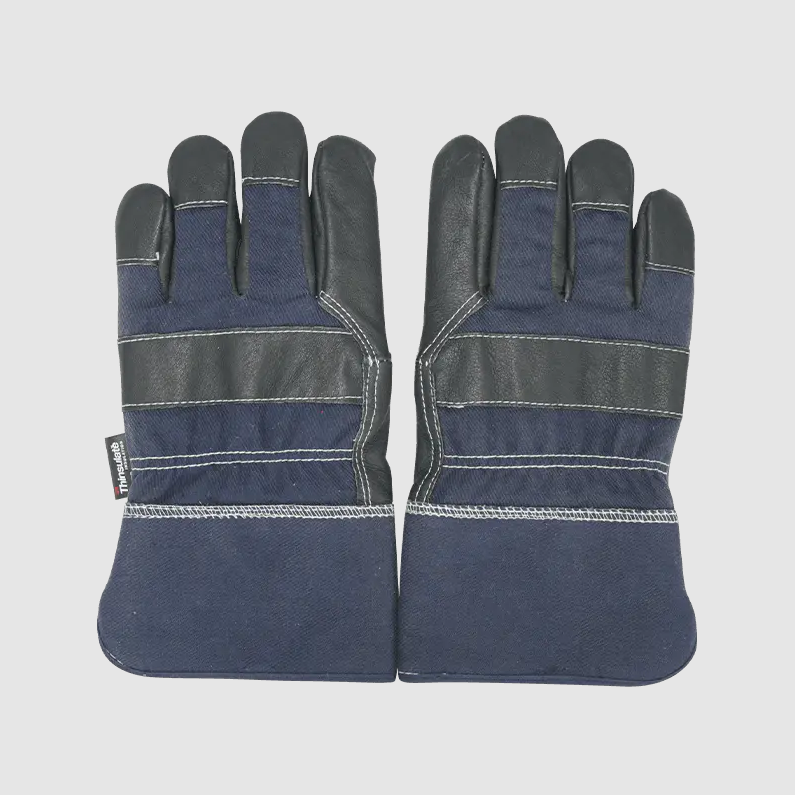
4. Gardening and Outdoor Work: Comfort and Flexibility Combined
Gardening, forestry, and outdoor maintenance work requires gloves that are both durable and flexible. Lightweight fabric gloves or work gloves with non-slip rubber palms allow for flexible hand handling while preventing dirt, thorny plants, or minor cuts. For prolonged outdoor work, choose breathable gloves to avoid hand sweat and skin discomfort.
5. Practical Tips for Choosing Gloves
Material Matching: Choose materials such as leather, nitrile, latex, or high-strength fibers based on the work environment.
Size Proper: Gloves that are too large will slip off easily, while gloves that are too small will restrict movement and affect operational efficiency.
Function Priority: Choose gloves based on specific job requirements, focusing on cut resistance, chemical resistance, abrasion resistance, or slip resistance.
Comfort: Choose gloves that are breathable, soft, and of moderate weight to ensure comfort during extended wear.
Choosing the right work gloves is not only crucial for personal protection but also an important guarantee for improving work efficiency and reducing occupational injuries. Whether in industrial production, laboratory operations, or gardening, finding gloves that match the work environment is the first step to safe work.
 +86-0513-68163373
Product Category
Related Products


If you are interested in our products, please consult us
Contact Details
- Address: No.99 West Dingxin Road, Dingyan Town, Rugao, Jiangsu, 226500, China
- Fax: +86-0513-88568360
- Tel: +86-0513-68163373
- Email: [email protected]
[email protected]
Products
Quick Link
News Center
Mobile terminal
