


 English
 Français
How To Choose The Right Work Gloves For Manufacturing?
Choosing the right work gloves for manufacturing comes down to one core principle: match the glove material and protection level to the specific hazard, not just the job title. A welder needs flame-resistant leather gloves, while an assembly worker handling sharp metal parts needs cut-resistant gloves rated at least ANSI/ISEA Cut Level A4. Start by identifying your top three hazards—then select accordingly.
Content
- 1 Identify the Hazards Before Picking Any Glove
- 2 Understand the Key Glove Material Options
- 3 Know the Cut Resistance Rating System
- 4 Match Glove Fit and Dexterity to the Task Demands
- 5 Account for Thermal Hazards in High-Heat or Cold Environments
- 6 Evaluate Chemical Resistance When Handling Solvents or Hazardous Substances
- 7 Consider Reusable vs. Disposable Gloves Based on Total Cost and Risk
- 8 Implement a Glove Program, Not Just a Glove Purchase
Identify the Hazards Before Picking Any Glove
The most common mistake in manufacturing environments is purchasing gloves based on price or general category rather than actual workplace hazards. OSHA's hand protection standard (29 CFR 1910.138) requires employers to select gloves based on a formal hazard assessment. In practice, that means asking four questions:
- What materials are workers handling? (metal, glass, chemicals, wood)
- Are there thermal risks? (heat, cold, arc flash)
- Is there chemical or biological exposure?
- Does the task require fine motor control or grip strength?
According to the Bureau of Labor Statistics, hand injuries account for approximately 23% of all workplace injuries in manufacturing, and nearly 70% of workers who suffer hand injuries were not wearing gloves or were wearing the wrong type. This makes hazard identification the single most impactful step.
Understand the Key Glove Material Options
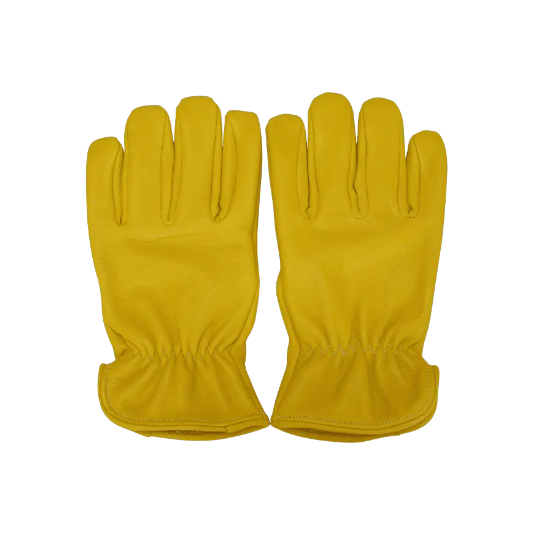
Each glove material has a distinct performance profile. No single material works for every manufacturing application. The table below summarizes the most common types and their best-fit scenarios:
| Material | Best For | Not Suitable For |
|---|---|---|
| Leather | Welding, heat, abrasion | Chemical exposure, wet environments |
| Nitrile | Oil, grease, chemicals | High-heat tasks |
| Cut-Resistant (HPPE/Kevlar) | Metal stamping, glass, sharp edges | Welding, high-heat environments |
| Latex/Rubber | Wet environments, electrical work (insulated) | Workers with latex allergies |
| Neoprene | Acids, solvents, hydraulic fluids | Fine precision tasks |
| Cotton/Fabric | Light assembly, dust, dirt | Chemical or cut hazards |
Know the Cut Resistance Rating System
For manufacturing environments involving sharp materials, the ANSI/ISEA 105 cut-resistance rating scale is the most important specification to understand. The scale runs from A1 (lowest) to A9 (highest), measured by the grams of force needed to cut through the glove material.
Recommended Cut Levels by Task
- A1–A2: Light assembly, packaging with minimal sharp exposure
- A3–A4: Sheet metal handling, stamping, general fabrication
- A5–A6: Glass handling, heavy metal work, automotive parts
- A7–A9: Wire drawing, razor blade manufacturing, structural steel work
It's worth noting that higher cut resistance often means reduced dexterity. A worker performing precision electronics assembly that requires A2 protection should not be issued A8 gloves—the trade-off in tactile sensitivity will increase errors and encourage glove removal, defeating the purpose entirely.
Match Glove Fit and Dexterity to the Task Demands
Protection level means nothing if workers remove their gloves because they're uncomfortable or impractical. Glove removal is one of the top contributing factors to hand injuries in manufacturing. Fit and dexterity should be evaluated as seriously as material performance.
Fit Guidelines
- The glove should fit snugly without restricting circulation—fingers should reach the fingertips of the glove without excess material bunching
- Measure hand width at the widest point across the palm and compare to the manufacturer's sizing chart
- For tasks requiring grip, look for textured palm coatings (nitrile micro-foam, polyurethane) that improve object control even in wet or oily conditions
Dexterity Considerations
- Thin-coated gloves (15-gauge knit with polyurethane coating) are ideal for electronics assembly and small-parts handling
- Ergonomic curved-finger designs reduce hand fatigue during repetitive tasks—relevant for workers on 8–12 hour shifts
- Touchscreen-compatible fingertips are now available in many industrial gloves, eliminating the need to remove gloves when operating digital control panels
Account for Thermal Hazards in High-Heat or Cold Environments
Manufacturing environments that involve furnaces, welding, foundry work, or cold storage require gloves rated for thermal performance. The EN 407 standard (heat and flame) and EN 511 standard (cold) provide standardized ratings for these conditions.
Heat Protection
- Welding gloves must meet OSHA 1910.252 requirements and are typically made from split leather or aluminized materials
- Foundry/aluminized gloves reflect radiant heat and are necessary when working near temperatures above 260°C (500°F)
- For occasional contact with hot surfaces (up to 100°C), a heat-resistant lining inside a standard work glove may be sufficient
Cold Protection
- Cold-storage workers (–18°C or below) need insulated gloves with moisture-wicking inner liners to prevent sweat buildup that accelerates heat loss
- Workers handling cryogenic materials need specialized cryogenic gloves—standard winter gloves provide no protection against liquid nitrogen or dry ice
Evaluate Chemical Resistance When Handling Solvents or Hazardous Substances
Not all chemical-resistant gloves are equal. Permeation time—how long before a chemical passes through the glove material—varies dramatically by substance and glove thickness. A nitrile glove that offers excellent protection against oils may degrade rapidly when exposed to ketones.
Always consult the chemical manufacturer's Safety Data Sheet (SDS) and the glove manufacturer's chemical resistance chart before making a selection. Key considerations include:
- Permeation resistance: How long before the chemical soaks through (measured in minutes)
- Degradation resistance: Whether the glove material weakens, swells, or becomes brittle after contact
- Glove thickness: Thicker gloves typically offer longer permeation times but sacrifice dexterity
- Double-gloving: For highly hazardous chemicals, layering a thin inner glove under the chemical-resistant outer glove adds a safety buffer and simplifies decontamination
Consider Reusable vs. Disposable Gloves Based on Total Cost and Risk
The decision between reusable and disposable gloves should weigh both the nature of the hazard and the operational costs. For many light-duty manufacturing tasks, disposable nitrile gloves (4–6 mil thickness) offer the best balance of protection, dexterity, and hygiene, especially in food manufacturing or pharmaceutical settings.
Reusable gloves are the better choice when:
- The task involves heavy abrasion or cut hazards that would destroy disposable gloves in minutes
- Chemical exposure requires thick, multi-layer protection (e.g., neoprene or butyl rubber gloves)
- Thermal protection is required—leather and insulated gloves are always reusable
Reusable gloves must be inspected before each use. A glove with even a small puncture or degraded seam should be discarded immediately—a compromised glove can be more dangerous than no glove because workers may trust a glove that is no longer providing protection.
Implement a Glove Program, Not Just a Glove Purchase
Selecting the right glove is only part of the solution. A complete hand protection program should include the following components to ensure consistent compliance and effectiveness:
- Written hazard assessment: Document the specific hazards for each job role and the corresponding glove specification
- Training: Workers should know how to don, doff, and inspect their gloves—and understand why each type is used
- Replacement schedule: Define usage limits based on frequency of use and exposure level; disposable gloves should never be reused
- Feedback loop: Ask workers regularly whether their gloves are comfortable and functional—non-compliance is often a sign of poor fit or poor selection
- Periodic review: Reassess glove specifications when processes, materials, or chemical use changes
Studies in industrial hygiene consistently show that worker acceptance is the strongest predictor of glove compliance. Involving workers in glove trials—letting them test multiple options and provide input before a final selection is made—dramatically improves consistent use in practice.
 +86-0513-68163373
Product Category
Related Products
If you are interested in our products, please consult us
Contact Details
- Address: No.99 West Dingxin Road, Dingyan Town, Rugao, Jiangsu, 226500, China
- Fax: +86-0513-88568360
- Tel: +86-0513-68163373
- Email: [email protected]
[email protected]
Products
Quick Link
News Center
Mobile terminal
