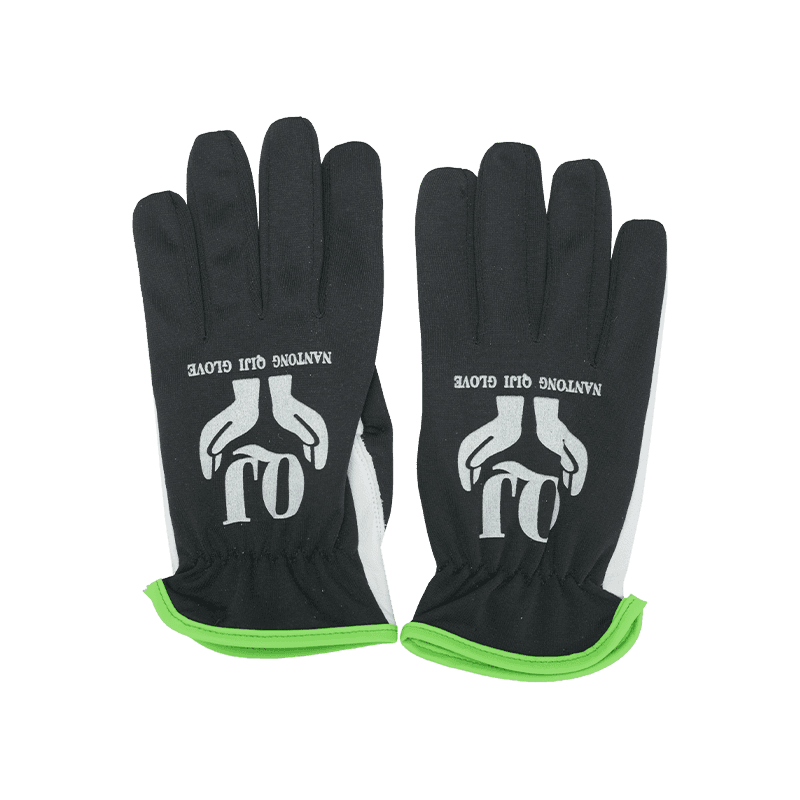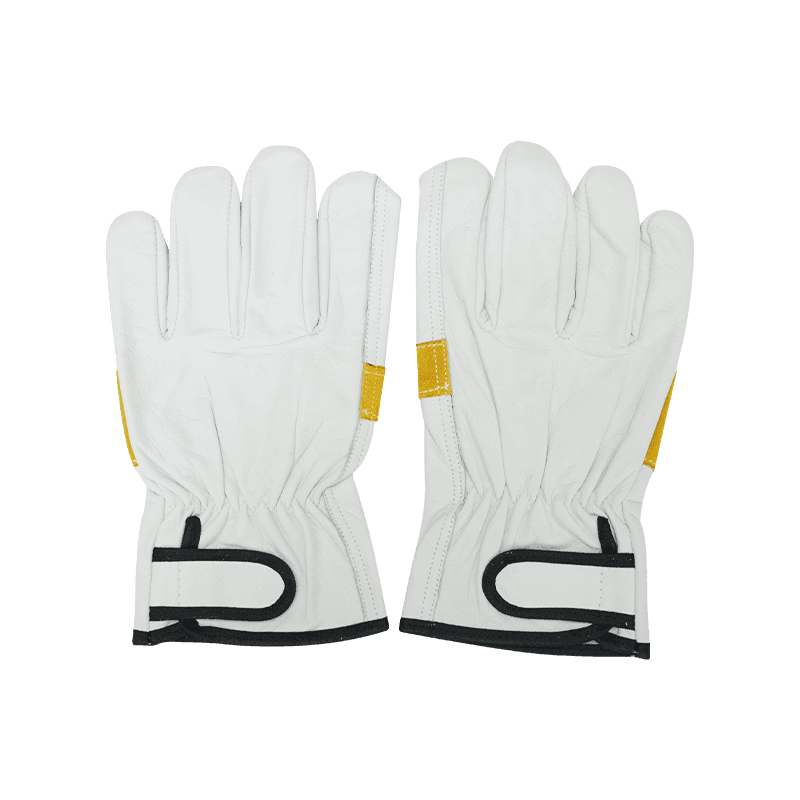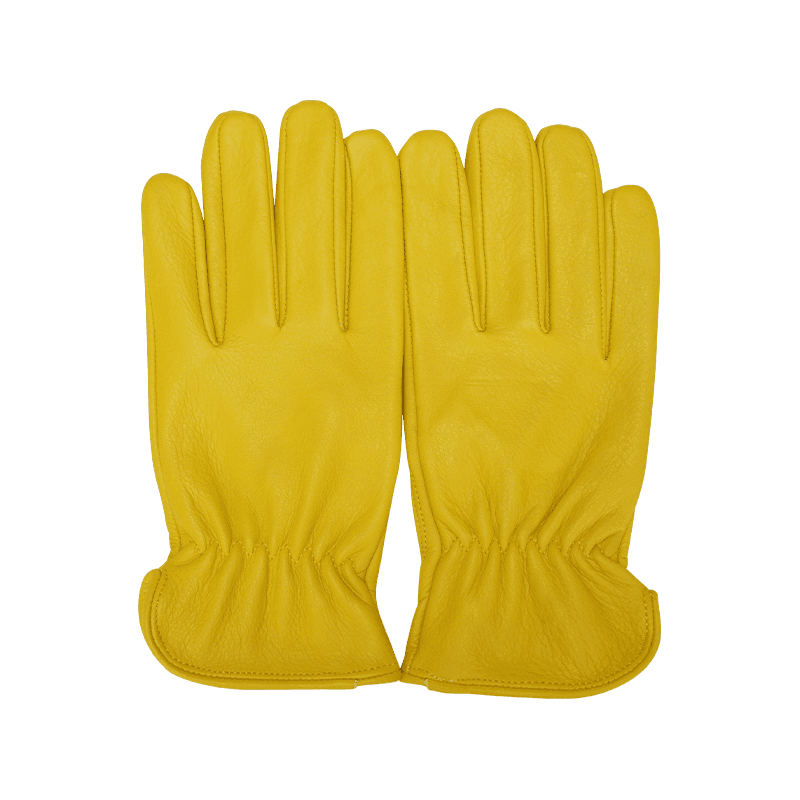
Conclusion: The best garden gloves for beginners are lightweight, breathable gloves with a snug fit and moderate protection — typically a coated fabric glove (latex or nitrile palm) for general tasks, plus a dedicated pair of thorn proof garden gloves for handling roses or brambles. New gardeners should start with versatile gloves that balance dexterity and protection. As you expand your gardening activities, adding specialized pairs like waterproof garden gloves for wet conditions and heavy-duty leather gloves for digging will cover most tasks. Whether sourcing from a Garden gloves supplier or Garden gloves manufacturer for wholesale garden gloves, or selecting a single pair for home use, understanding material properties ensures comfortable and safe gardening.
Content
For those new to gardening, the sheer variety of Garden Gloves can be overwhelming. The right pair prevents blisters, protects from soil-borne bacteria, and makes gardening more enjoyable. Focus on three core attributes:
A beginner's first pair should be a medium-duty glove suitable for planting, weeding, and soil handling. As skills develop, consider specialized options like thorn proof garden gloves for rose pruning or waterproof garden gloves for wet-season work.
Glove Material Comparison for Beginners (Protection vs. Dexterity)
Beginners benefit most from latex or nitrile coated gloves (good balance of protection and feel)
Once you start pruning roses, blackberry bushes, or thorny ornamentals, standard gloves will not suffice. Thorn proof garden gloves feature puncture-resistant materials, typically leather (goatskin or cowhide) or high-density synthetic fabrics with reinforced palms and fingers. Testing shows that quality thorn-proof gloves resist punctures from thorns up to 5mm in length at typical handling pressure.
A reputable Garden gloves manufacturer will specify puncture resistance levels (EN 388 standard). For home gardeners, look for gloves rated at level 3 or 4 for puncture resistance on the EN 388 scale.
For early spring planting, rainy season weeding, or handling wet soil, waterproof garden gloves are a worthwhile investment. Waterproof gloves use either a membrane (like PU or nitrile) or a fully coated construction. The trade-off is that waterproof materials are less breathable, so they are best reserved for specific wet tasks rather than all-day wear in warm weather.
| Type | Waterproof Rating | Breathability | Best For |
|---|---|---|---|
| Nitrile Fully Coated | Excellent | Low | Wet soil, chemical handling |
| Latex Coated with Jersey Lining | Good | Moderate | General wet gardening |
| PU Membrane Insert | Good | Moderate-High | Light rain, dewy conditions |
When sourcing wholesale garden gloves for a community garden or resale, consider offering both waterproof and breathable options to cover different seasons and user preferences.
Proper sizing is critical for comfort and safety. Many Garden gloves are available in sizes XS to XL. To measure your hand:
A well-fitting glove should allow you to make a fist without excessive material bunching at the fingertips. When working with a Garden gloves factory for custom garden gloves, you can request sample sizing to ensure the right fit for your end users.
Different materials serve different purposes. A reputable Garden gloves manufacturer will clearly label materials and their properties.
For businesses considering wholesale garden gloves, offering a range of materials allows customers to choose based on their primary gardening activities.
Proper care significantly extends glove lifespan. Follow these guidelines:
When working with a Garden gloves supplier for custom garden gloves, ask about care instructions specific to the materials used in your order.
If you are interested in our products, please consult us