


 English
 Français
Are work gloves bigger or smaller?
When choosing work gloves, size is the primary consideration. Gloves that are too large or too small will affect work safety and efficiency: gloves that are too large are prone to slipping off, restrict hand movement, and increase the risk of being caught in machinery; gloves that are too small will restrict blood circulation in the hands, leading to fatigue or even injury. Therefore, the ideal size for work gloves is one that fits the hand shape perfectly, ensuring free finger movement without feeling tight, to maximize the protective function of the gloves.
Content
I. Potential Hazards of Improperly Sized Work Gloves
Proper size is the foundation of safety protection. If industrial gloves are too large, excess material may get caught in when operating precision tools or machinery, causing serious accidents; at the same time, loose gloves will reduce tactile sensitivity, affecting work efficiency. Conversely, work gloves that are too small will compress the hands, and prolonged wear may lead to skin abrasion, poor blood circulation, and exacerbate the risk of frostbite in cold environments.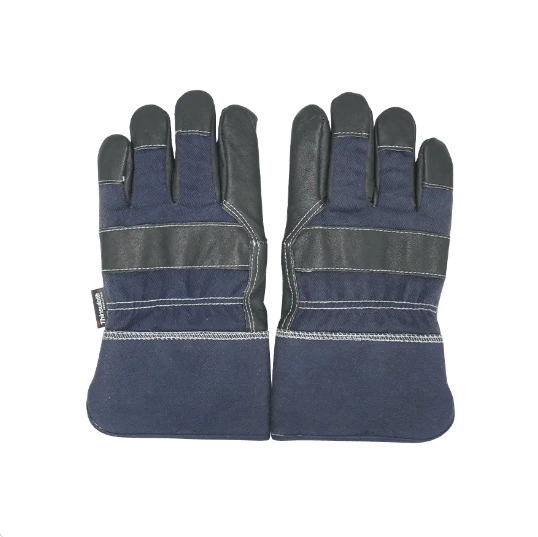
II. How to Correctly Measure Hand Size?
Before purchasing work gloves, use a soft measuring tape to measure the circumference of the widest part of your palm and the distance from the tip of your middle finger to your wrist. Different brands of protective gloves have slightly different sizing standards; please refer to the size chart of the specific product. It is recommended to try clenching and extending your fist after putting on the gloves to check if the fingers can bend naturally and if the wrist cuff fits snugly but not too tightly.
III. Scenarios-Specific Selection Guide
For delicate tasks: such as electronic assembly and repair, choose work gloves that fit well and are made of lightweight materials to ensure precise tactile feedback.
For heavy physical labor: such as handling and construction work, allow for some room to move, but the wrist cuff should be tightly designed to prevent dust and debris from entering.
For special environments: such as low-temperature work, consider a slightly larger size to allow for an inner insulating layer; when handling chemicals, ensure the protective gloves fit completely to prevent liquid seepage.
IV. Material and Design Matching
Elastic materials for work gloves (such as spandex and nitrile coated gloves) can accommodate a certain size range, while leather or thick rubber materials must be precisely matched to the hand shape. In addition, adjustable wrist straps, anti-slip textures, and other functional designs can compensate for minor size deviations and improve the overall usability of the gloves.
Conclusion: A Proper Fit Means Safety
It's a misconception to err on the side of "better too big than too small" or "better too small than too big" when it comes to work gloves. The best choice is to find a balance based on your actual hand size and the needs of the specific work environment. Regularly checking the wear and tear of gloves and replacing them promptly will ensure that hand protection remains effective and safeguards safe production.
 +86-0513-68163373
Product Category
Related Products
If you are interested in our products, please consult us
Contact Details
- Address: No.99 West Dingxin Road, Dingyan Town, Rugao, Jiangsu, 226500, China
- Fax: +86-0513-88568360
- Tel: +86-0513-68163373
- Email: [email protected]
[email protected]
Products
Quick Link
News Center
Mobile terminal
