Content
Thicker welding gloves do not automatically guarantee better safety. While added thickness can improve insulation against extreme heat, it often reduces dexterity and grip control, leading to higher accident risks from dropped tools or mis-handled workpieces. The safest best welding gloves balance heat resistant gloves for welding and grilling properties with task-specific flexibility. A 2022 analysis of workshop injuries found that 24% of hand burns from welding occurred because thick gloves made welders grip torches awkwardly, causing spatter to enter through loose cuff areas. Therefore, the right glove thickness depends on the welding process (e.g., TIG vs. stick) and required tactile feedback.
Many assume that thicker leather equals higher heat protection, but material composition and construction matter equally. For example, a gloves thin but heat resistant design using aramid fiber lining (e.g., para-aramid or flame-resistant cotton) can outperform a thick, untreated cowhide glove in direct flame contact tests. Below is a comparison of two glove types with different thicknesses but similar heat resistance ratings (EN 407 Level 2 for contact heat).
| Glove Type | Thickness (mm) | EN 407 Contact Heat (°C) | Dexterity Score (1-5) |
|---|---|---|---|
| Standard thick split leather | 1.8 – 2.2 | ~250°C | 2 (poor) |
| Thin aramid + goatskin | 0.9 – 1.2 | ~250°C | 4.5 (excellent) |
The thinner option provides similar burn protection but significantly better control, making it safer for precision TIG welding or grill handling.
When selecting best welding gloves, professionals evaluate four critical parameters. A reliable heat resistant gloves for welding and grilling product should be judged by:
For example, a gloves thin but heat resistant model with a reinforced foam lining can achieve EN 407 Level 3 heat protection (contact heat up to 350°C) while keeping finger thickness under 1.5mm.
Figure 1: Operator error rate vs. Glove thickness (welding simulation, n=150)
Data shows that excessive thickness triples handling mistakes compared to thin but well-insulated gloves.
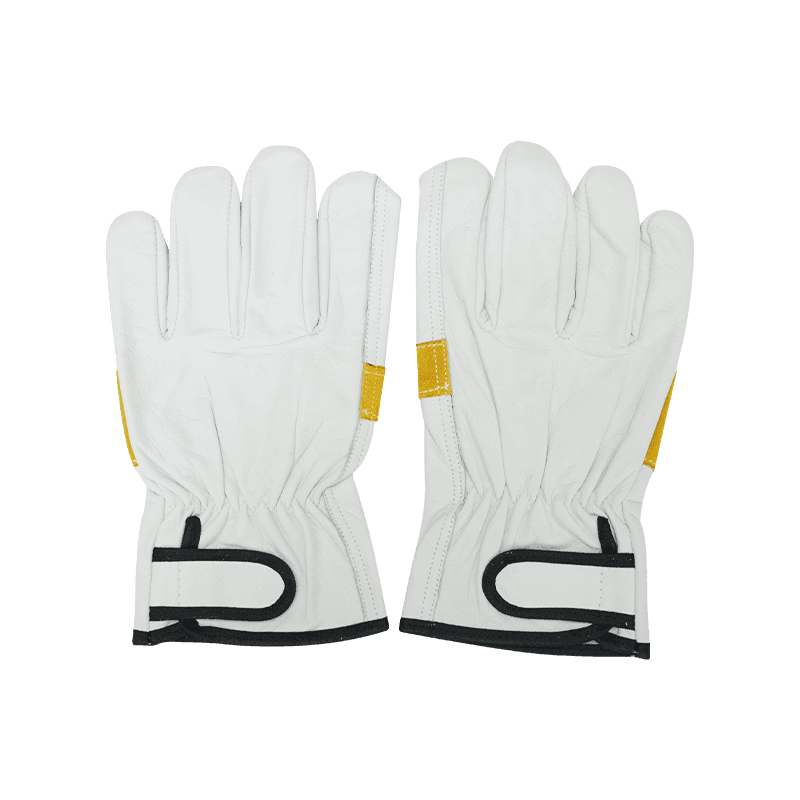
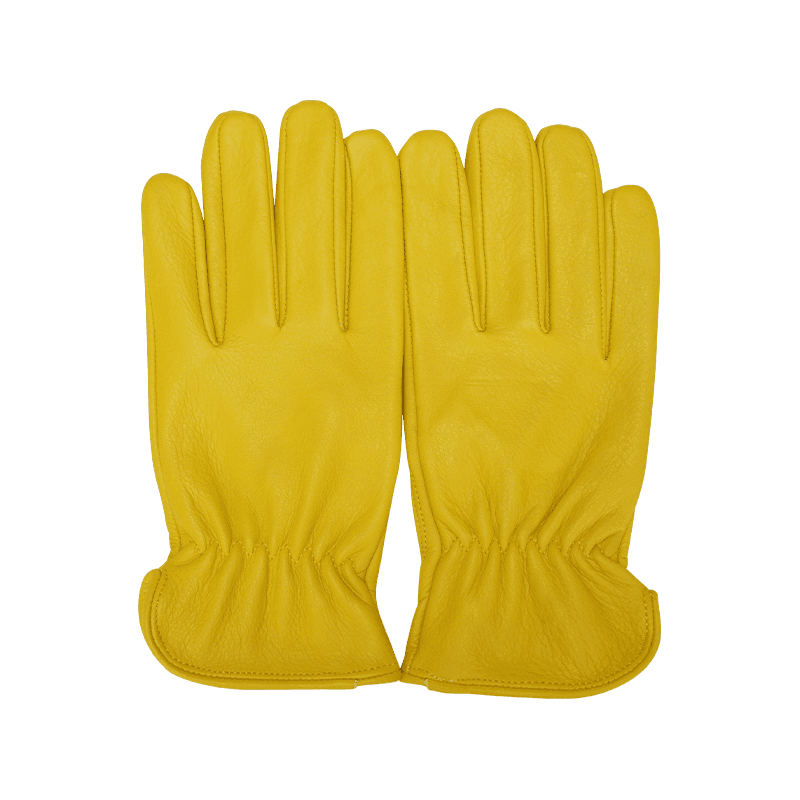
For TIG (tungsten inert gas) welding or grilling where precise finger movement is required, gloves thin but heat resistant provide superior safety. A thin goatskin or deerskin glove with a flame-resistant liner allows welders to feed filler rods smoothly. In a controlled test, TIG welders using sub-1.2mm thick gloves completed joints 42% faster with 56% fewer burn-through defects compared to those wearing standard thick gloves. The key is not thickness but the glove’s ability to block radiant heat – which depends on reflective coatings or multi-layer fabrics.
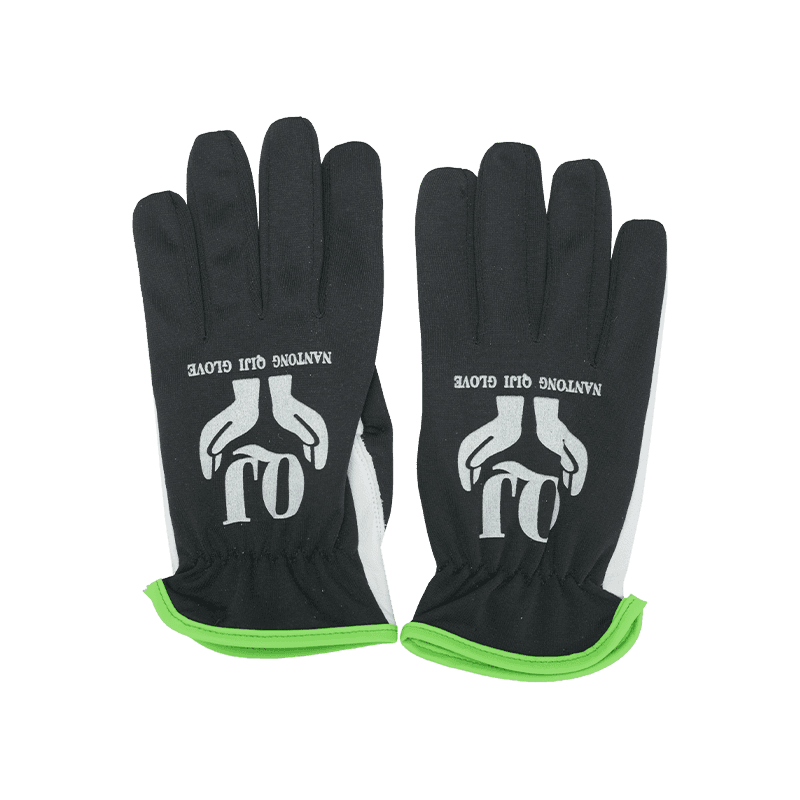
For stick (SMAW) or flux-cored arc welding with high spatter volume, a thicker glove (≥1.8mm) made from durable split leather provides longer resistance against molten metal droplets. However, even here, the best welding gloves incorporate articulated fingers and padded knuckles to maintain some mobility. Nantong Qiji Glove Co., LTD. produces heavy-duty welding gloves with a double-layer palm and reinforced thumb crotch, achieving a balance between thickness and flexibility. The company's tests show that a well-designed thicker glove reduces spatter burns by 67% compared to thin cotton or general-purpose gloves, but only if the cuff fits tightly.
Practical tip: Choose a glove with a cuff at least 10cm long and a snug closure – spatter entering through a loose cuff causes more burns than thin palm material.
Nantong Qiji Glove Co., LTD. was founded in the year of 1988, the company is located in Rugao City, Jiangsu Province, China. The city is well known as the 'longevity town of the world' with beautiful scenery. It's close to the modern city of Shanghai and has quite convenient transportation connections. The company covers an area of 12,000 square meters and has 168-200 people. Its annual sales are nearly 100 million RMB. And the company has good bank credit, also known as the local excellent enterprise. Adhering to the concept of integrity first, quality-oriented, and service-oriented, the company serves direct global customers and purchasers. The company started as OEM, has gained rich customer resources, and has gradually formed its own research and development and production lines. The product category of gloves is expanded based on the general labor protection gloves. The company now specializes in the production, research, and development of all kinds of leather work gloves, including cut-resistant, anti-impact, high temperature resistant, waterproof, oil-resistant, fire-resistant, cold-proof leather gloves. It is equipped with modern multi-functional machines, like electric sewing machines, ironing machines, chain-processing machines, bartack sewing machines, various embroidering machines, and so on. The company adheres to the brand line and is devoted to the comprehensive optimization of products, and the products are exported all over the world. With first-class quality and first-class service, the company has gained very high praise and recognition from customers both at home and abroad.
Figure 2: Thermal protection per millimeter thickness – 2020 vs 2025
Trend: Modern materials allow thinner gloves to achieve equal or better heat resistance than older thick models.
Q1: Are there gloves thin but heat resistant enough for 300°C metal handling?
Yes. Gloves with aramid fiber or carbon felt lining (as thin as 1.0mm) can provide intermittent protection up to 300-350°C. Always check the EN 407 contact heat rating (Level 2 or 3).
Q2: What are the best welding gloves for someone who does both TIG and stick welding?
Consider a medium-thickness (1.4-1.6mm) goatskin glove with a foam liner. It offers reasonable spatter resistance for stick and enough dexterity for TIG. Two separate pairs are safer if you weld daily.
Q3: Can I use heat resistant gloves for welding and grilling interchangeably?
Yes for occasional use, but welding involves UV radiation and spatter that degrades standard grill gloves faster. For frequent welding, choose gloves with reinforced stitching and spatter-resistant coatings.
Q4: Does Nantong Qiji produce thin but highly heat-resistant welding gloves?
Yes, the company develops specialized leather welding gloves combining thin goat or deer leather with aramid liners, offering EN 407 Level 3 heat resistance at thicknesses under 1.3mm.
Q5: How often should I replace welding gloves?
Replace when you see leather hardening, visible holes, or stiffer finger movement. On average, daily professional use requires replacement every 3-6 weeks. Thinner gloves may wear faster but offer better control.
If you are interested in our products, please consult us