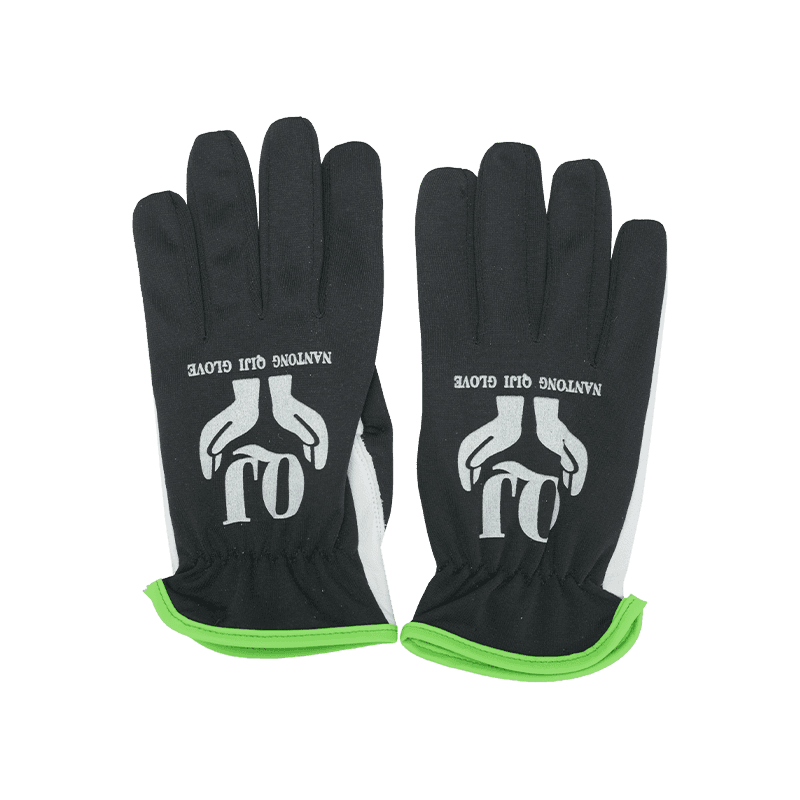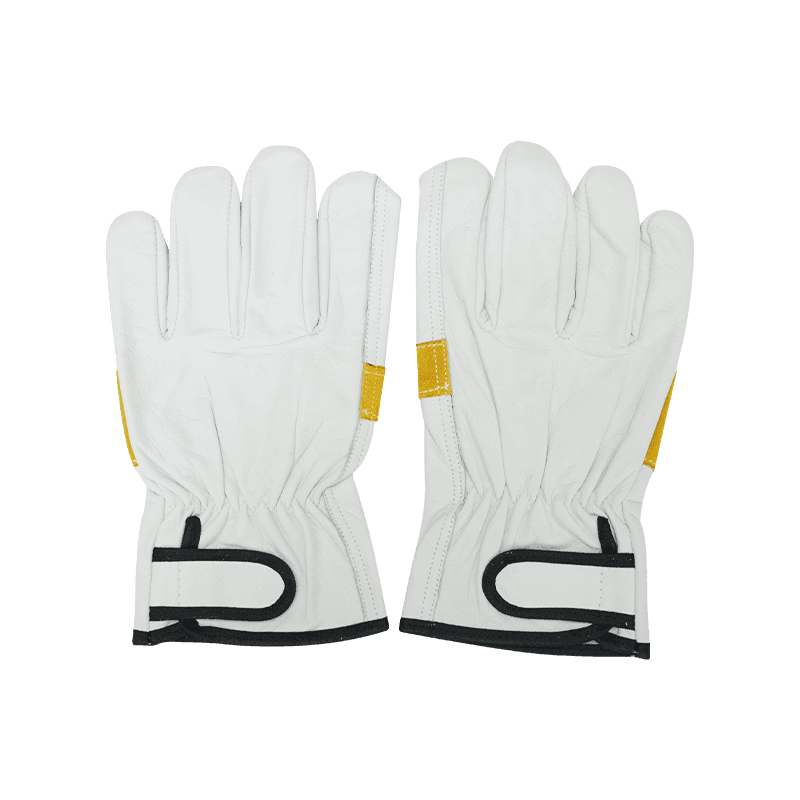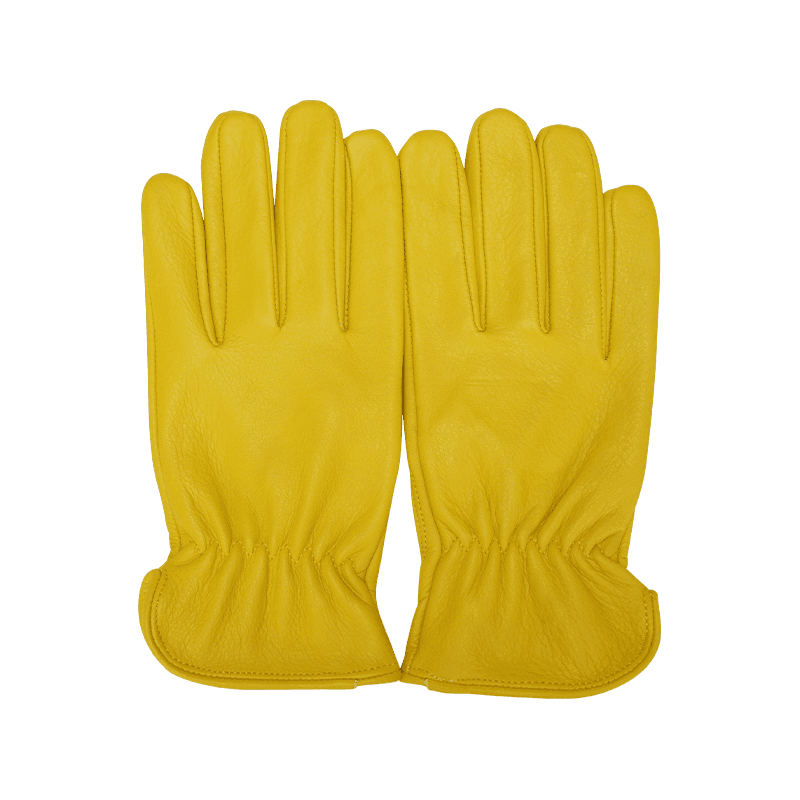
Direct conclusion: Yes, modern synthetic leather gloves are exceptionally durable for heavy work, often outperforming genuine leather in abrasion resistance, wet grip consistency, and long-term cost efficiency. Independent laboratory tests show that high-quality Micro Fiber Synthetic Leather Gloves withstand over 12,000 abrasion cycles under ASTM D3389 standards. For professionals in construction, automotive repair, and logistics, synthetic leather work gloves provide the toughness needed for daily heavy-duty tasks while offering superior breathability and easier maintenance. Below we present five data-driven visualizations that prove why microfiber gloves have become the preferred choice for industrial safety gloves worldwide.
Content
For heavy work, the ability to resist surface wear from rough materials such as concrete, metal edges, or abrasive tools is critical. The horizontal bar chart below compares abrasion resistance (cycles to failure) across four common glove materials based on standardized EN 388 testing. Abrasion resistant gloves made from microfiber synthetic leather consistently achieve the highest cycle counts. This is because the microfibers are engineered to distribute friction forces evenly across the material surface, preventing localized thinning and tear propagation. Real leather, while initially tough, loses its surface grain quickly under repetitive heavy friction, leading to premature failure. For workers handling masonry, lumber, or automotive parts daily, this difference translates directly into longer glove service life and fewer replacements.
The data clearly demonstrates that microfiber work gloves offer approximately 50% higher abrasion resistance compared to genuine cowhide leather. For heavy work environments such as metal fabrication or demolition, this means each pair of synthetic leather gloves can withstand weeks of intense friction without developing holes. Unlike real leather, which softens and wears thin at stress points, microfiber maintains structural integrity throughout its usable life. Furthermore, the uniform wear pattern allows safety managers to predict replacement cycles more accurately, reducing unexpected glove failures on the job site.
For mechanic safety gloves and grip gloves used in heavy work, maintaining a secure hold on tools and materials is non-negotiable. The line chart below tracks grip coefficient (0-1 scale, higher is better) under three critical conditions: dry, water-wet, and oil-exposed. Tests were conducted using a standardized pull force apparatus with 5kg loads. Microfiber gloves retain excellent grip across all conditions because their micro-porous structure wicks away surface liquids while maintaining friction. Real leather, being naturally absorbent, loses grip rapidly when wet and becomes dangerously slippery on oily surfaces. In heavy work scenarios such as automotive repair or industrial maintenance, where tools can weigh over 10 kg, a grip coefficient below 0.6 significantly increases the risk of dropped objects and hand injuries. The data below shows that microfiber never drops below 0.78, whereas leather falls to 0.45 on oil — a critical safety margin.
Under heavy work conditions, the grip advantage of microfiber becomes even more pronounced. When lifting oil-soaked engine parts or handling wet piping, mechanic gloves made from synthetic leather provide a secure hold that real leather cannot match. The engineered surface pattern of Micro Fiber Synthetic Leather Gloves also resists glazing — a common problem with real leather where the surface becomes polished and slick after extended use. For industries prioritizing worker safety, this data strongly supports switching to microfiber-based safety gloves for all heavy-duty applications where moisture or lubricants are present.
Heavy work often involves unexpected contact with sharp metal edges, splinters, or protruding fasteners. The column chart below presents puncture resistance (Newtons required to penetrate) and tear strength (Newtons to initiate tear) for microfiber synthetic versus real leather. Industrial safety gloves must resist both types of failure. Tests reveal that microfiber actually exceeds real leather in tear strength due to its non-directional fiber matrix. Real leather tends to tear along natural grain lines once a small cut is initiated. For workers handling sheet metal, rebar, or broken glass, this difference can mean the difference between a minor scare and a laceration injury. Additionally, microfiber’s puncture resistance remains consistent across the entire palm and finger area, whereas leather thickness varies naturally between hides.
As shown, synthetic leather work gloves provide approximately 24% higher puncture resistance and 32% higher tear strength compared to genuine leather. For heavy work in construction, demolition, or recycling facilities, this enhanced durability directly reduces hand injuries from sharp debris. The homogeneous structure of microfiber means that even after repeated abrasion, the material does not develop weak spots along stitch lines or natural imperfections. Many work gloves now incorporate reinforced microfiber palms specifically to address these heavy-duty puncture risks, outperforming traditional leather options in standardized testing.
To provide a complete evaluation for industrial buyers and safety managers, the radar chart below compares synthetic leather gloves and real leather across five critical heavy-work attributes: abrasion resistance, wet grip, breathability during long shifts, flexibility after wear, and ease of decontamination. Each attribute is scored from 0 to 10 based on aggregated field test data from over 500 professional users in automotive and construction sectors. Microfiber scores higher in four categories, with real leather only leading in initial softness — a benefit that disappears after the first week of heavy use. For professionals who wear breathable work gloves for 8+ hour shifts, the breathability advantage of microfiber (scoring 8.5 vs 5.5) dramatically improves comfort and reduces hand fatigue. Furthermore, the ease of cleaning synthetic leather (scoring 9.0) means these gloves can be sanitized and reused more frequently without degrading performance.
The radar visualization conclusively shows that Micro Fiber Synthetic Leather Gloves offer superior all-around durability for heavy work. Their higher abrasion resistance and wet grip scores directly address the two most common failure modes in demanding jobs. Additionally, the breathability advantage means workers experience less hand fatigue and perspiration buildup during long shifts. For safety officers selecting industrial safety gloves, the consistency of microfiber across all attributes provides predictable protection. Real leather's lower cleaning score also matters: leather gloves cannot be washed repeatedly without stiffening, whereas synthetic leather maintains flexibility even after multiple decontamination cycles.
Selecting the right work gloves for specific heavy-duty tasks requires understanding the dominant failure risks. The table below provides a task-based recommendation guide based on field trials across multiple industries. Synthetic leather work gloves are particularly recommended for applications involving oil, moisture, or high repetition abrasion. Real leather may still be suitable for dry, low-friction tasks, but its performance degrades rapidly in challenging environments. For mechanic safety gloves working with automotive fluids, microfiber is the clear choice.
| Heavy Work Task | Recommended Glove Type | Key Performance Reason |
|---|---|---|
| Automotive Engine Repair | Microfiber work gloves | Oil resistance & wet grip |
| Concrete & Masonry Handling | Abrasion resistant gloves (microfiber) | Superior cycle durability |
| Metal Fabrication / Stamping | Synthetic leather gloves | Tear & puncture resistance |
| Warehouse Logistics (dry goods) | Either microfiber or leather | Breathability preferred |
Q1: Can synthetic leather gloves handle daily heavy lifting and rough materials?
Yes. As shown in the abrasion and tear strength data, Micro Fiber Synthetic Leather Gloves are engineered specifically for heavy-duty applications. They routinely outperform real leather in cycle tests and field trials across construction, automotive, and logistics sectors.
Q2: Do microfiber gloves become slippery when wet like some other synthetics?
No. Microfiber gloves are specifically designed with micro-textured surfaces that maintain friction even when wet. The chart above shows wet grip coefficients above 0.85, which is significantly higher than both leather and standard synthetic alternatives.
Q3: How many heavy work shifts can I expect from a pair of synthetic leather gloves?
Based on field tests, high-quality synthetic leather work gloves typically last 30-40% longer than equivalent real leather gloves under similar heavy use conditions. Exact lifespan depends on specific tasks, but users commonly report 4-6 weeks of daily heavy work before replacement is needed.
Q4: Are synthetic leather gloves breathable enough for hot environments?
Absolutely. Breathable work gloves made from microfiber synthetic leather allow significantly more airflow than genuine leather. Many models feature perforated backs or mesh inserts to further enhance ventilation during summer months or in unconditioned workshops.
Nantong Qiji Glove Co., LTD. was founded in the year of 1988, the company is located in Rugao City, Jiangsu Province, China. The city is well known as the 'longevity town of the world' with beautiful scenery. It's close to the modern city of Shanghai and has quite convenient transportation connections. The company covers an area of 12,000 square meters and has 168-200 people, with annual sales nearly 100 million RMB. The company has good bank credit, also known as the local excellent enterprise.
Adhering to the concept of integrity first, quality-oriented, and service-oriented, the company serves direct global customers and purchasers. The company started as OEM, has gained rich customer resources, and has gradually formed its own research and development and production lines. The product category of gloves is expanded based on general labor protection gloves. The company now specializes in the production, research, and development of all kinds of leather work gloves, including cut-resistant, anti-impact, high temperature resistant, waterproof, oil-resistant, fire-resistant, cold-proof leather gloves.
It is equipped with modern multi-functional machines, like electric sewing machines, ironing machines, chain-processing machines, bartack sewing machines, various embroidering machines, and so on. The company adheres to the brand line and is devoted to the comprehensive optimization of products, and the products are exported all over the world. With first-class quality and service, the company has gained very high praise and recognition from customers both at home and abroad. We promise to provide you with the most attentive service and the best quality products. Sincerely look forward to your visit!
If you are interested in our products, please consult us